

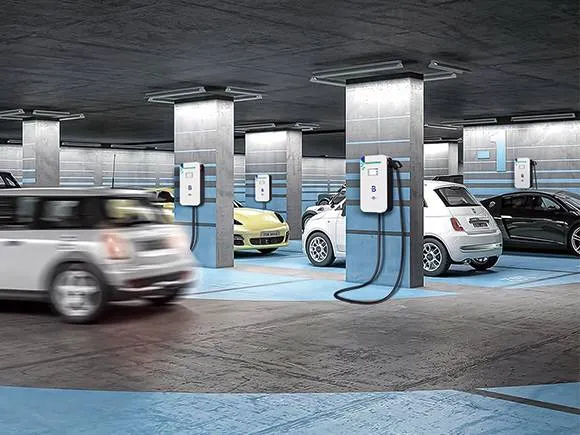
A Quiet Race at the Curb
The curb is becoming the new lobby, and it speaks in kilowatts. Your next hotel EV charger will greet you before the doorman. Imagine pulling into a property where hotels EV charging stations sync with your booking, allocate a slot, and meter costs without fuss. In city pilots, properties with smart bays see higher length-of-stay and repeat visits—by double digits in some corridors. Edge computing nodes route power in real time. Power converters hum within safe limits. Guests rest, while algorithms watch the load curve (quietly, like good service should). But here’s the kicker: not all chargers are equal, and not all setups fit hotel rhythms.

So the scenario is simple: late arrival, low battery, tight schedule. The data is blunt: charger uptime and queuing drive reviews more than lobby art. The question is sharp: which mix of hardware and software delivers the smoothest stay, at the lowest operating pain? Let’s compare what’s working, what still hurts, and what comes next.
Under the Hood: The Hidden Friction in Legacy Approaches
Where do the old setups fall short?
Older installs were built like parking lot add-ons, not guest systems. They lack smart load balancing, so peak times trip breakers or throttle charge to a crawl. Without OCPP-based management, operators can’t see faults until guests complain—funny how that works, right? Billing stacks are siloed from PMS, so receipts miss folios. RFID authentication adds steps, then fails if the network hiccups. And when a site mixes Level 2 and DC fast charging without a plan, transformer capacity gets oversold. That means stranded assets and unhappy drivers. The tech pieces exist, but they don’t talk like a front desk team does during rush hour.
The deeper pain points are more human. EV drivers want certainty: a booked stall, a fair price, and a full battery by checkout. Staff want tools, not tickets. Finance wants clear TCO. Look, it’s simpler than you think: design for dwell time, not highway throughput. Add demand response so evening peaks don’t punish your bill. Align ports with room clusters to shorten walks. Support ISO 15118 for plug-and-charge to cut steps. Do this, and the charger fades into the stay—exactly where it belongs.

From Today to Tomorrow: Principles That Differentiate the Next Wave
What’s Next
Comparing options gets clearer when you zoom into first principles. Smart orchestration beats raw speed for hotels. Think of a small microgrid layer: meters, controllers, and software that shape the curve rather than chase it. New sites use dynamic loadsharing so ten cars sip power smoothly instead of two cars guzzling it. Add staged power converters with health monitoring to keep uptime high. Then, tie it all to guest identity so reservations, pricing, and status follow the traveler. This is not sci‑fi—it’s a careful stack of controls, data, and policy. And with EV charging for hospitality&hotels, the best deployments already fold charging into the stay, not the parking lot. Small step here, big effect there—and the queue disappears.
Real-world impact? Properties that pair demand response with predictive scheduling report fewer peak charges and higher guest satisfaction. The charger becomes a quiet concierge. Meanwhile, housekeeping schedules align with battery targets, so cars are ready when keys change hands—it feels choreographed. Summing up: the old problems were siloed systems, surprise peaks, and clunky UX. The new playbook is interoperable software (OCPP), smart load management, and guest-linked access. To choose well, use three practical metrics. One: uptime and alerting—track mean time to resolve and API-based fault notices. Two: energy economics—measure demand charge reduction and kWh per occupied room. Three: guest flow—monitor stall reservation accuracy and average time-to-start. Do this, and you pick tech that serves the stay, not the socket—and you sleep better, too. Learn more with EVB.
