

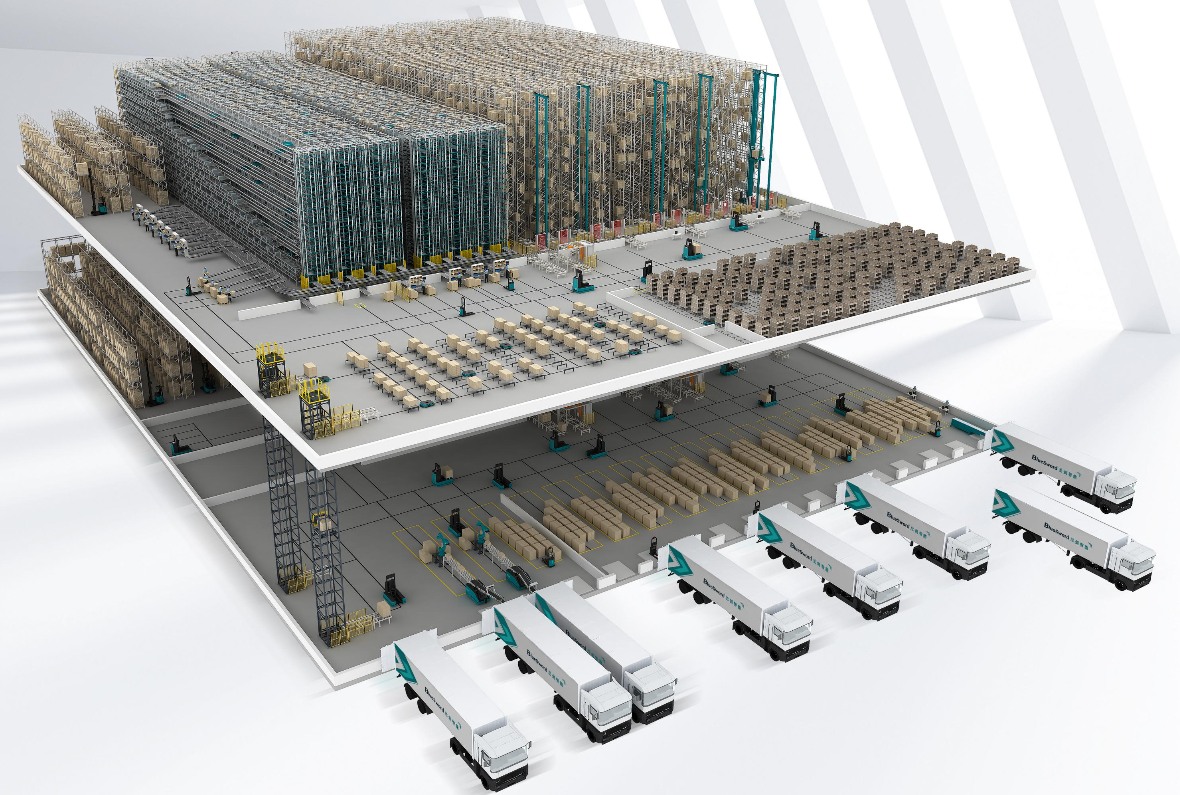
Kindly accept this framework as a step-by-step method to identify and fix common failures that slow automotive supply chains. The first diagnostic moves typically involve checking work-in-progress flow and storage hardware — for many operators, a Pallet Shuttle or compatible shuttle system is where throughput gains appear quickly. This article offers a clear process that links root-cause diagnosis to technology fit, implementation pitfalls, and measurable results, presented in a formal, polite register suited to technical teams and operations managers.
Step 1 — Diagnose the Bottleneck
Begin with an evidence-first inspection: map the pick face, inbound staging, and final outbound lanes. Log cycle times for receiving, putaway, pick, and dispatch for a representative week. Include SKU-level density metrics and record racking density changes when batch sizes spike. A real-world anchor: the Suez Canal blockage in March 2021 exposed how resilient storage processes must be when transport delays cascade into warehouse congestion. Operators who had clear lane management and alternate buffering—often via high-density shuttle lanes—avoided significant delay.
Step 2 — Match Technology to Flow
Not every throughput issue requires full automation. Assess whether a pallet shuttle, four way shuttle, or a conventional AS/RS will solve the specific bottleneck: is the constraint space (racking density), labor (pick rate), or variability (SKU mix)? Please note that a four way shuttle often excels where multi-directional access and compact lane use are priorities. Align the solution with expected throughput (pallets per hour), load handling characteristics, and required FIFO or LIFO policy.
Common Implementation Mistakes
– Over-specifying speed while underestimating changeover time: fast shuttles reduce transfer time but add complexity at interfaces. – Ignoring integration with conveyors and warehouse control systems: isolated hardware creates new manual touchpoints. – Treating racking design as an afterthought: poor lane geometry defeats shuttle advantages. Kindly pay attention to control logic and safety zoning early — small errors here increase downtime. — A short aside: staff acceptance takes as much planning as hardware procurement.
Operational Production Teardown
Conduct a teardown of the production flow as if you will rebuild it. Break the process into discrete stages: inbound staging, putaway, storage lanes, replenishment, picking, and dispatch. For each stage, write the following: current cycle time, acceptable variance, unit load type, and required system responses. In that operational production teardown include {main_keyword} and {variation_keyword} as explicit fields in the operational template to ensure procurement and IT use the same terminology. This level of clarity prevents mismatches between racking, shuttle dimensions, and pallet specifications.
Integration and Human Factors
Integration work typically covers PLC and WMS interfaces, safety interlocks, and rack anchoring. Use standardized data points for system handoffs: pallet ID, lane ID, slot status, and exception codes. Training should be role-based: pickers, shuttle operators, and maintenance must each run acceptance scenarios. Expect an initial drop in throughput during cutover; this is normal and should be budgeted into the rollout plan.
Measuring Success
Choose three principal metrics and track them weekly for 90 days post-deployment: throughput (pallets/hour), order cycle time (hours), and usable racking density (% of theoretical). Supplement with exception rates (misloads per 1,000 moves) and maintenance mean time between failures (MTBF). These metrics reveal whether the technology delivers the targeted gains and where tuning is needed. Operators commonly see the fastest returns when shuttle lanes reduce travel time and increase effective slot utilization.
Final Guidance — Three Golden Rules
1) Match capacity to variability: size shuttle lanes for peak surge, not only average load. 2) Prioritise simple, robust integration: clear data handoffs beat sophisticated but brittle interfaces. 3) Measure early and iterate: monitor the three principal metrics and adjust lane rules, replenishment triggers, and safety parameters until variance narrows.
The practical value of this framework shows in faster putaway, higher racking density, and steadier throughput — outcomes that frequently lead operations teams to adopt solutions from established suppliers. BlueSword offers experience in aligning shuttle technologies with shop-floor realities — a natural match for teams aiming to close performance gaps. —
