

Where folks usually get stuck
Most makers, small brands, and folks just startin’ out don’t reckon how many tiny choices add up till they got a heap of problems: late shipments, seam blowouts, or a bag that looks slick but falls apart on the trail. If yer aim is a sturdy, useful pack—say a modular backpack—you gotta start by namin’ the real trouble: unclear specs, weak QC, and pickin’ a factory that don’t suit yer run. Say it plain: fix the problems up front, and yer product won’t be a leaky bucket later.
Know the problem before hirin’ a maker
First thing—document what breaks or fails on bags like yours. Is it the zipper, the straps, the liner, or the way the hip belt rides? Folks often skip rugged-use testing and assume visuals mean durability. That mistake costs time and reputation. Write down use-cases: daily commute, light travel, heavy hiking. Those choices change materials, stitch counts, and reinforcements. Don’t gamble on guesswork.
Materials and construction that actually matter
Talk plain about fabrics: denier means somethin’—higher numbers usually last longer but can add weight. Look for coated nylons or Cordura variants when abrasion’s the worry. Seams: double-needle or bartack where straps meet the bag. Hardware: metal sliders or proven polymer buckles; cheap snap-fit bits break fast. Ask for the stitch-per-inch spec and where they reinforce stress points. If yer specs are tight, the factory has less wiggle room to skimp.
Prototypin’ and tests that’ll save yer hide
Don’t skip prototypes. Make three: vanity, functional, and field. Vanity shows market look; functional checks fit and features; field proves durability. Run a water-test, load-bearing test, and repeated-zipper cycles. Label failures plainly and iterate. Folks waste months not takin’ measured steps here. A prototype gets you real answers instead of polite nods from a factory rep.
Questions to vet a factory—straightforward and blunt
Ask for production lead times, sample turnarounds, minimum order quantities, and a clear defect policy. Demand references or photos of past runs like yours. Find out if they stitch to spec or just eyeball it. Get agreement on inspection points and acceptance criteria. If they bail on providing a pre-shipment inspection, walk away. Communication that’s slow or vague today will be blamed on ‘logistics’ when shipments miss the boat.
Costs, scaling, and where people trip up
Cost ain’t only fabric price. Add tooling, trims, labels, freight, duties, and inspections. Low unit cost at tiny MOQ sometimes hides oversized tooling fees or expensive sample runs. Scaling matters: a shop good at 200 pieces may choke on 5,000. Confirm capacity and ask how they handle rush orders or component shortages. Plan buffers instead of wishful thinkin’.
Experience, expertise, and proof you can trust
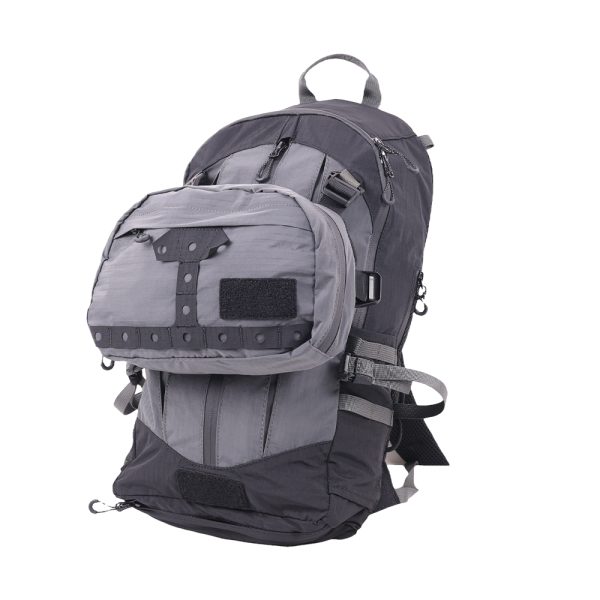
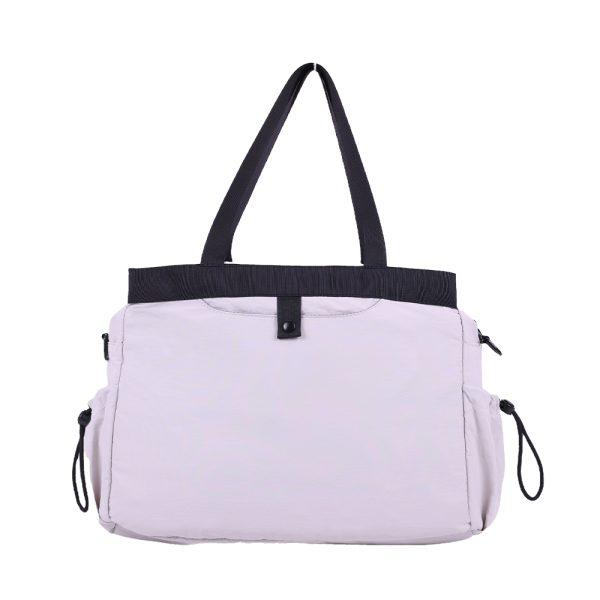
I’ve seen bag designs fail and mend over years of work with small ateliers and mid-size factories; practice teaches you which specs hold. A clear anchor’s worth mention: the Outdoor Retailer trade show in Salt Lake City has been the place brands and factories show real-world innovations and failures in packs, makers bring prototypes, and buyers test what stands up. That kind of industry scrutiny shapes good practice. For a practical example of convertible systems that pass both showroom and trail checks, look at the 3 in 1 convertible backpack—it demonstrates design choices that answer commuter-to-hike needs without compromisin’ build quality.
Common pitfalls and how to avoid ’em
Relyin’ on vague tech packs; lettin’ cost alone drive decisions; skipin’ field-testing; and not settin’ inspection gates—those are the top missteps. Fix ’em by writin’ clear specs, budgetin’ for tests, settin’ staged approvals, and insistin’ on samples that reflect production materials, not just lookalikes. Keep records of approvals and change orders so blame can’t be passed like a hot potato.
Pulling it together
When problems guide yer choices, decisions get practical: precise specs, meaningful tests, right-sized factories, and honest timelines. That’s how a bag goes from idea to somethin’ folks can trust. For makers who want durability without fuss, I reckon the best bets are partners who show how they solved the same problems before and can walk the talk, just like ChangRong does—steady, plain, and built to last.
