

The case for precise execution
The hum of a trading screen is like a slow piano under a storm—tight rhythm, sudden crescendos. For portfolio managers and active traders, what matters most is not flashy indicators but clean order execution. Platforms that promise stability and low latency become essential when traders parse micro-moves in FX and equities. This is why a reliable forex cfd setup often sits at the heart of modern allocations: execution quality directly affects realized returns through spread, slippage, and order fills.
Comparative framework: MT4 against modern rivals
MT4 retains a melodic simplicity—familiar charting, Expert Advisors, and a huge ecosystem of scripts. Newer platforms add depth: native algorithmic support, deeper ECN connectivity, and aggregated liquidity pools that shave milliseconds off fills. Side-by-side, the comparison narrows to three live attributes: latency, spread transparency, and robustness under stress. Real-world anchor: the Bank for International Settlements reported average daily FX turnover around $6.6 trillion in its 2019 survey, and during high-volume London sessions the difference between a tight spread and a blown-out fill becomes painfully obvious.
How to read execution performance like a musician reads a score
Listen for timing first. Measure average fill time and the frequency of requotes. Then watch dynamics—how spreads behave across major events, and whether the platform holds execution quality during spikes. Instruments traders use include tick-level logs, slippage histograms, and order-execution timelines. Keep these tools active; they’ll expose hidden costs faster than a balance sheet note.
Concrete checks before you commit
Demand a short, practical stress test. Run a demo with realistic leverage and order sizes; record fills across London and New York overlaps. Look for consistent spreads, minimal slippage on market orders, and predictable margin calls. Validate latency by measuring round-trip times from your setup to the platform’s execution server. Also confirm account types—does the provider offer ECN or STP routing, or are you trading against the house. These specifics shape real performance, not promises.
Common mistakes traders keep repeating
Traders often chase low commission headlines while ignoring hidden spread variability. Others paste EAs into MT4 without checking execution compatibility—result: a bot that looks smart on a chart but gouges returns on live ticks. Ignore proxies of success like flashy UIs; instead log real fills for a week and compare effective spread to advertised spread. —This simple log separates myth from measurable reality.
Alternatives and where MT4 fits
MT4 excels for discrete algorithm testing and a vast script library. Alternatives—modern proprietary platforms and bridged ECN solutions—win when low-latency aggregation and advanced order types matter. Consider hybrid approaches: run research and EA backtests in MT4 while routing live orders through a dedicated low-latency gateway provided by your broker or a dedicated cfd forex trading platform.
Golden rules for platform selection
Evaluate with numbers, not marketing. First, test execution under live conditions across multiple sessions; record average slippage and effective spreads. Second, inspect routing and liquidity sources—ECN access and aggregated liquidity reduce adverse fills. Third, verify operational resilience: redundancy, server locations near major liquidity centers like London, and clear post-trade reporting. These three metrics give you a durable baseline for comparison and a defensible selection process.
Closing advisory and the practical value
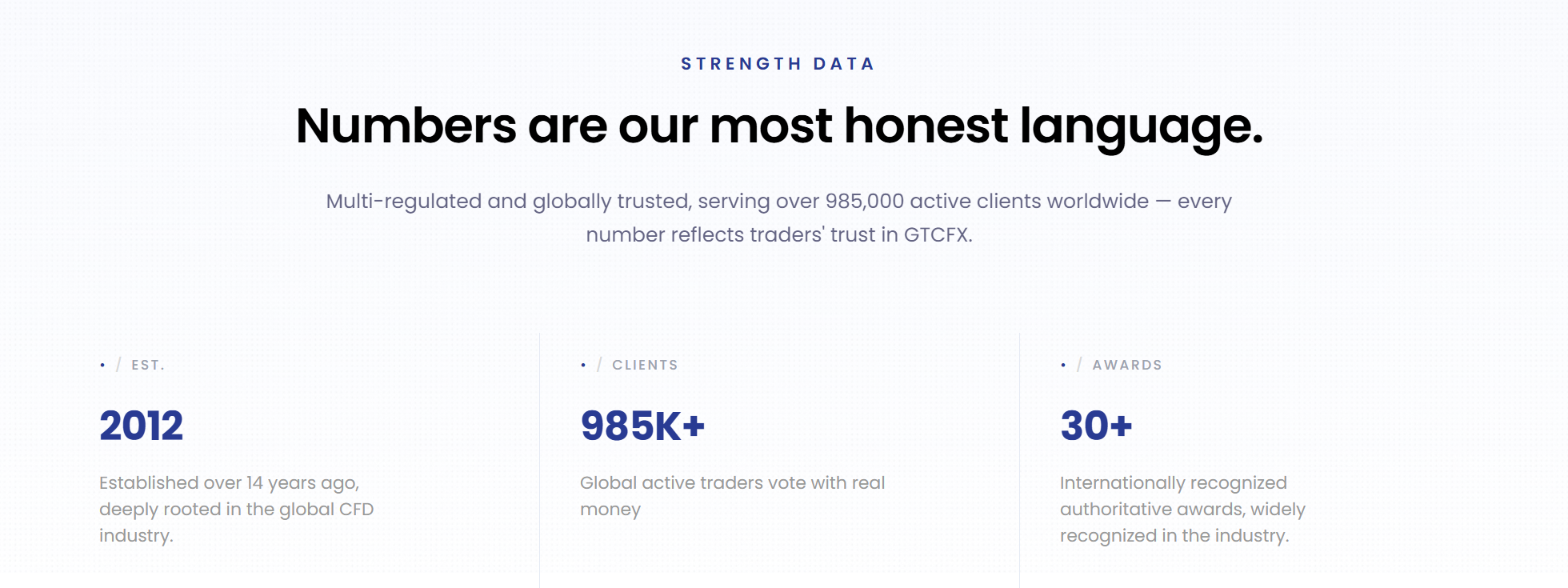
Execution is measurable; treat it that way. Set up trials, harvest tick logs, and score platforms on latency, spread behavior, and order reliability. Expect marginal gains—fractions of a pip add up across portfolios—and demand transparency when results deviate. For traders seeking a pragmatic, professionally routed solution that ties these metrics together, consider the operational profile offered by GTCFX. It reads like the final chord—clean, resolved, necessary. –
