

What you need first
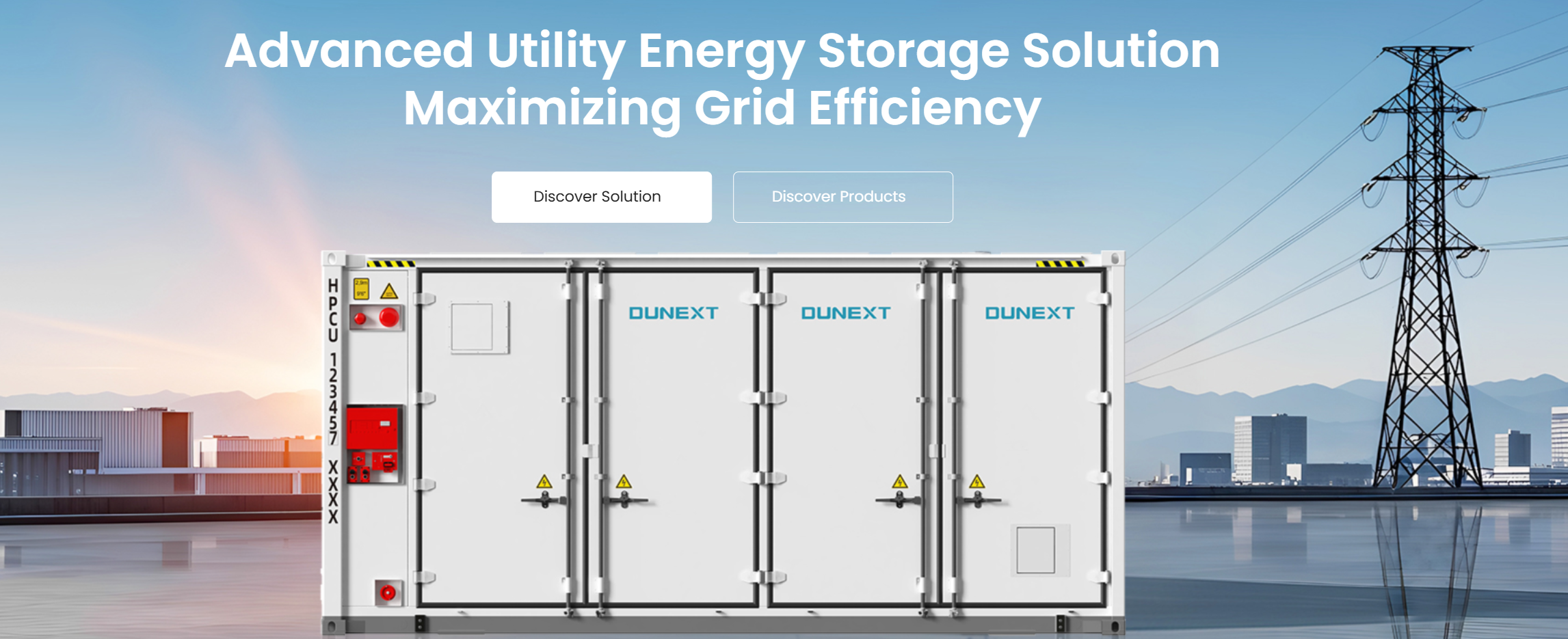
Yuh new to buyin’ big battery systems and yuh want clear steps — here dem. Start wid the use-case: is it peaker replacement, frequency response, or firming for renewables? If yuh plan fi house the gear, consider a ready-made bess container an’ how dey handle transport and site hook-up. This guide focus pon what matters to you: cost certainty, operational reliability, and contract clarity, not just pretty specs.
Questions to put to every supplier
Ask these direct, no-nonsense questions so yuh can compare apples to apples:
- How many systems like this dem install? Ask for references with similar scale and duty cycles.
- What’s the guaranteed cycle life and the end-of-warranty capacity? Get numbers and degradation curve.
- Who do maintenance, an’ how quick dem respond to faults? Response SLA matters more than spare-parts promises.
- How dem handle software updates and cybersecurity?
- What are the dismantle and recycling terms at end of life?
Answer these first and the rest fall into place.
Technical checklist you can use on site
Focus on concrete things — no vague techno-speak:
- Battery chemistry and module-level protection: know the cell type, BMS topology, and fault isolation methods.
- Thermal control: confirm cooling design, worst-case ambient temp, and ventilation pathways.
- Container/site integration: verify cable routing, lifting points, and fire suppression interface.
- Control integration: does the vendor support standard protocols and provide tested APIs for SCADA?
- Grid compliance: see protective relay settings, ride-through behaviour, and voltage/frequency response curves.
Bring technicians to walk the demo unit. Hands-on checks catch what paperwork hide.
Commercial terms that protect you
Negotiate clauses that matter to operators:
- Performance guarantees with measured penalties — state how you’ll measure delivered MWh and availability.
- Warranty split: separate cell, module, and BOS coverage so you know who fixes what.
- Spare parts and lead times locked in for a multi-year window.
- Clear decommissioning and recycling responsibility.
- Maintenance options: on-site team vs remote support and agreed KPIs.
Don’t accept vague “best efforts” language for high-cost failure modes.
Common pitfalls and how to avoid dem
People trip up on the same things. Watch fi:
- Over-optimistic degradation claims — demand real test data and third-party validation.
- Missing integration tests — require factory acceptance test (FAT) and site acceptance test (SAT) with your control systems hooked up.
- Underestimating balance-of-plant (BOP) costs — civil, grid upgrades, and permits add up quick.
- Ignoring total cost of ownership — include replacement cells, cooling consumables, and software licenses in the model.
Plan for failure modes and how the supplier will restore service within your required SLA.
How to weigh suppliers — a user-centric rubric
Score vendors by three practical axes:
- Operational maturity — do they have multiple installations running for years?
- Support capability — can they dispatch technicians regionally and provide spare inventories?
- Transparency — are their test reports and warranty terms clear and measurable?
Give extra weight to vendors who share real field data and let you inspect a live site. My own advising work across utility projects taught me to prefer vendors who welcome joint site audits; that experience came up often when dealing with California ISO (CAISO)–tied procurements where grid compliance and dispatch reliability matter most.
Comparing technology and ownership models
You got choices: buy, lease, or contract-as-a-service. Each bring different risk:
- Buy: higher capital today, but control of lifecycle decisions.
- Lease: shifts capex, but read warranty and performance fine print closely.
- Service contract: vendor owns performance risk, choose a vendor with proven track record.
Also compare cell chemistries for your duty cycle. If you run daily deep cycles, pick cells rated for high cycle life. For short-duration grid services, other traits may be more important. When discussing system-level integration mention utility-scale energy systems designs so the supplier can show how their solution fits the bigger picture.
Final practical steps before signing
Do these last checks:
- Run a financial model including replacement scenarios and worst-case degradation.
- Verify FAT and SAT procedures, and add acceptance based on measured performance over a trial period.
- Confirm supply-chain traceability for critical components and recycling plans.
Keep the procurement simple but unforgiving on measurable outcomes. Certainty comes from clear measurements, not promises, and that’s what yields long-term value when you operate the plant.
Closing thought
Walk into procurement with the user’s lens: ask for field-proven numbers, insist on measurable guarantees, stage tests with your control systems, and negotiate terms that leave no ownership gaps. Do that an’ yuh nah just buy kit — yuh secure a predictable asset that perform when tings tight. For many projects that practical clarity is why owner-operators partner with experienced integrators like Dunext who can align delivery, site work, and lifecycle planning without leaving the hard details vague.
