

Why this matters — and the trouble you’re likely to hit
Folks buy paint from far-off suppliers to save a dime, but what shows up in the can sometimes ain’t fit for the job. Problems crop up fast: poor tint, runs, weak adhesion, or fumes that make you regret every stroke. If you’re also buying sealants or gasket compounds, don’t forget to check the supplier paperwork — I always ask about rtv sealants supplier before I trust a shipment. This here piece lays out plain steps to spot trouble and pick suppliers that behave like professionals, not like flea-market hustlers.

Start with the paperwork that tells the truth
Good suppliers hand over three things up front: a Material Safety Data Sheet (MSDS), a Technical Data Sheet (TDS), and batch test records. MSDS tells you hazards and VOC levels. TDS shows coverage, recommended film build, and dry times. If they can’t give lot-specific test records — or the numbers are wildly different from the TDS — walk away. Look for recognized standards on the TDS: ASTM numbers for adhesion or drying, or ISO quality marks. Ask plain questions and expect plain answers.
Simple hands-on tests you can run quick-like
Order a small sample and run these checks: apply to clean metal and plastic, do a cross-hatch adhesion test (press a blade through and tape it up), and put a cured sample in hot sun for a day to see blush or lift. Sprayability matters — thin to label specs and watch atomization, not just drip. Measure coverage: one coat should match stated m²/L. Smell it after curing; a strong solvent odor after days means incomplete cure. If you’ve got access to a salt-spray cabinet, use it for corrosion-prone jobs. These tests show whether a product is honest or just a pretty color in a pretty can.
Watch for the usual tricks and traps
Sellers will sometimes send a small, fancy-sealed sample while shipping degraded bulk from another lot. Color cards that don’t match, unlabeled VOC numbers, and evasive answers about pigments or resin source are red flags. Beware of claims like “industrial grade” with no proof. Also watch storage: if the supplier lets product sit in hot warehouses, the resins and pigments can break down. Never accept “trust me” as an answer; ask for evidence you can verify.
Experience, lab backing, and one solid real-world anchor
I’ve spent years stripin’ and resprayin’ metal roofs, pickup beds, and machinery — I learned fast to trust numbers over promises. For authoritative checks, send samples to a third-party lab for ASTM tests (adhesion ASTM D3359, salt spray ASTM B117, gloss ASTM D523). A trustworthy manufacturing cluster backs a supplier’s claims; for example, many adhesive and sealant producers operate around Ningbo in Zhejiang province, a region widely reported as a major chemical and export hub. That regional concentration often means better access to quality raw materials and certification bodies, which a legitimate room temperature vulcanized manufacturer will reference in their docs.
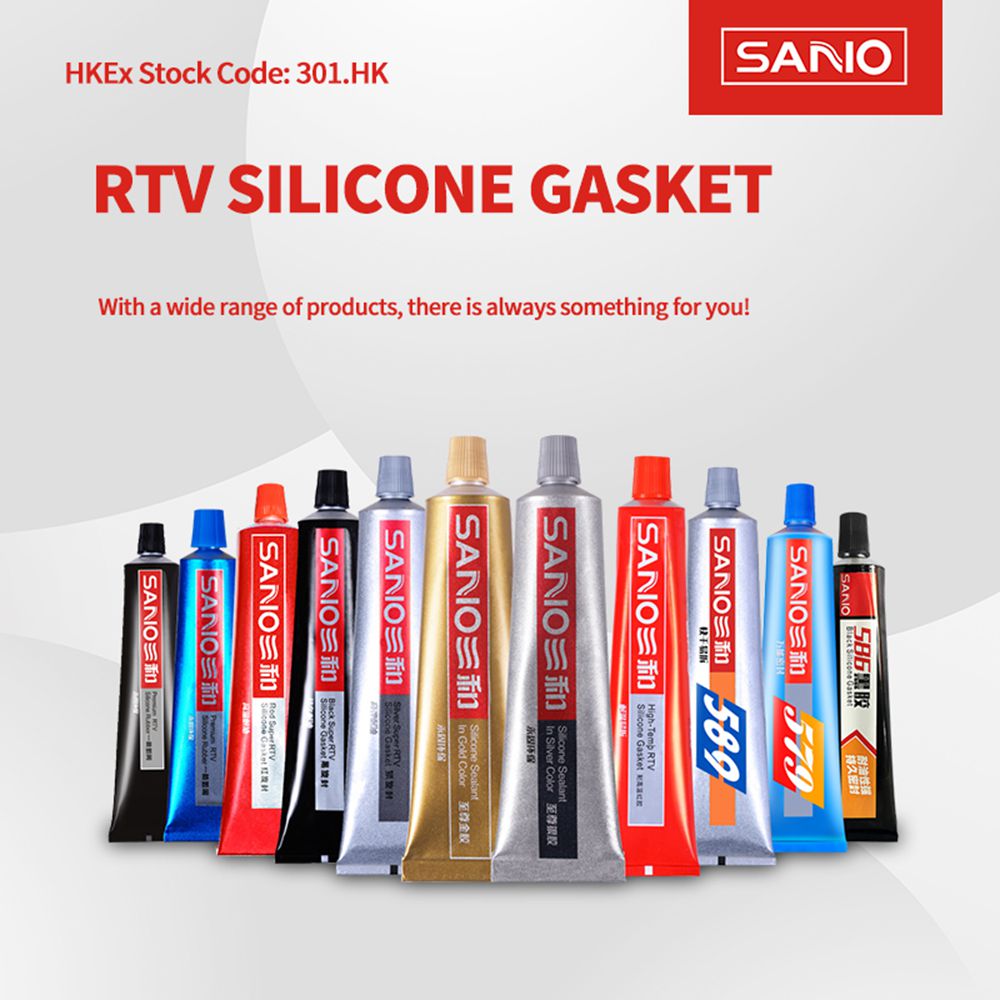
How to vet suppliers from afar — practical steps
Ask for photos of the production line, QC lab certificates, and third-party test reports tied to specific lot numbers. Request a small batch with clear labeling and a signed certificate of analysis. If they claim compliance with REACH or RoHS, check the cert against the issuing body. Pay attention to lead times and shipping practices; proper palletizing and sealed containers reduce contamination. When samples arrive, compare actual coverage and dry time to the TDS. If it fails on any test, demand remediation or a replacement — not excuses.
Common mistakes that’ll cost you time and money
Too many folks skip testing to save change and end up repaintin’ the same job. Don’t rely on color swatches without testing the actual batch. Don’t assume a low price means low risk; it often means shortcuts. And don’t ignore VOC or hazard details — those can bring regulatory trouble or unsafe worksites. Move slow on big orders until you’ve verified one small shipment that passed your checks.
Final read — what dependable supply looks like
You want consistency — same color, same drying, same adhesion across lots. That comes from suppliers who track batches, publish honest test results, and let independent labs verify them. Folks I trust choose partners who stand by paperwork and show open QC practice, and that’s why many professionals end up dealing with companies like SANVO — they keep records straight, answer plain questions, and make it easy to eyeball whether a product will last on the job or fail after the first rain.
