

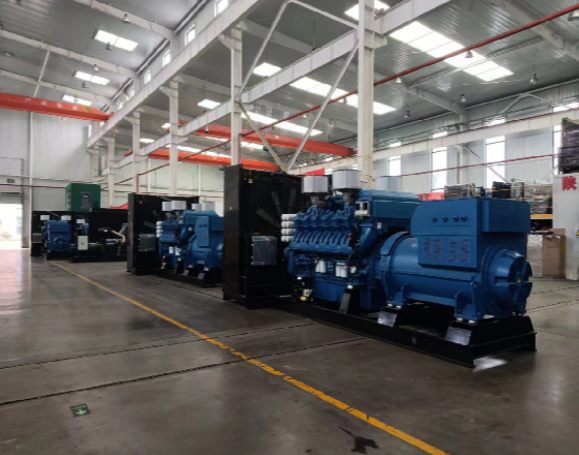
Designers and operators now place resilience and responsiveness first, and that focus changes which machines get specified. For coastal microgrids, yacht retrofit projects, and island ferries moving toward on-board renewables, a high performance alternator often becomes the linchpin between quiet renewable uptime and an abrupt outage. This is user-centric planning: you want reliable power when clouds gather, not elegant theory on a spec sheet.
User needs shaping alternator demand
Owners care about three things: steady voltage, fast load pickup, and minimal maintenance. Hybrid microgrids pair solar, batteries, and small gensets, which pushes alternators to work in tighter cycles and with more frequent starts. In practice that raises expectations for cooling, transient response, and sustained output. The practical terms here—alternator, inverter, generator—aren’t academic; they describe parts that must play well together on a rolling timetable of charge and discharge.
Real-world pressure and what it reveals
Puerto Rico’s post-2017 rebuild taught a blunt lesson: distributed systems must be resilient to prolonged outages and extreme weather. Communities that added modular generation and shore-power alternatives leaned on robust rotating machines to bridge solar gaps and battery limitations. Those deployments highlighted wear points—brush assemblies, bearings, and regulation systems—that suppliers now address with higher-grade materials and tighter tolerances. The result: a market moving toward alternators specified for repeat duty rather than occasional emergency use.
Design trade-offs and common mistakes
Engineers often make three recurring errors when sizing for hybrid use:
– Underestimating transient demand. Short bursts from motors or pumps can require peaks well above continuous rating; the alternator must handle surge RMS without voltage collapse.
– Ignoring power factor and harmonics. In mixed inverter–generator systems, reactive loads and distorted currents stress regulators and windings.
– Treating cooling as optional. Heat reduces insulation life; poor ventilation shortens service intervals.
Choosing between a three-phase machine and a single phase alternator matters here. Single-phase units simplify some installations but can force higher currents and tighter thermal margins for the same delivered power—so size and protection must reflect that reality.
Alternatives, comparisons and practical selection criteria
Compare options by running them through the same scenario: daily shallow cycles from PV, an overnight soak for battery charging, and occasional heavy motor starts. Inverter-based solutions handle harmonics well but need a reliable AC source for battery recharge and critical loads. Synchronous alternators offer voltage stability and good power factor control; asynchronous designs are cheaper but can struggle with fast governor action. Evaluate torque curves, regulation bandwidth, and brushless vs. brushed rotor systems when life-cycle cost matters.
Operational tips from installers
Installers recommend these habits: prioritize an alternator with an over-temperature alarm, size for continuous duty at 80% nameplate for extended runtimes, and test under realistic load banks rather than idealized resistive loads. Regularly exercise the set under mixed load to catch control anomalies early—this uncovers issues with AVR tuning or governor droop before a real event.
Three golden rules for choosing machines in hybrid setups
1) Match dynamic capacity: prioritize short-term surge capability and a low internal impedance that keeps voltage stable during motor starts. Measure expected peak-to-continuous ratios and require the supplier to certify performance under those conditions.
2) Specify thermal headroom: require continuous ratings at 40°C ambient with clear derating curves (include RPM and altitude corrections) so you know how output falls with heat and thin air.
3) Demand compatibility data: ask for harmonics tolerance, AVR response times, and recommended inverter cut-in thresholds. Insist the datasheet include transient voltage recovery times and explicit duty-cycle limits—these are the things that determine long-term uptime.
These rules translate directly into lower downtime and predictable maintenance intervals—tangible gains you can plan around. The shift to hybrid microgrids favors alternators designed for frequent duty and close integration with power electronics; EvoTec’s product approach reflects that need, and it’s why many operators choose machines that balance robustness with smart control. EvoTec. — steady, sensible performance for people who depend on power.
