

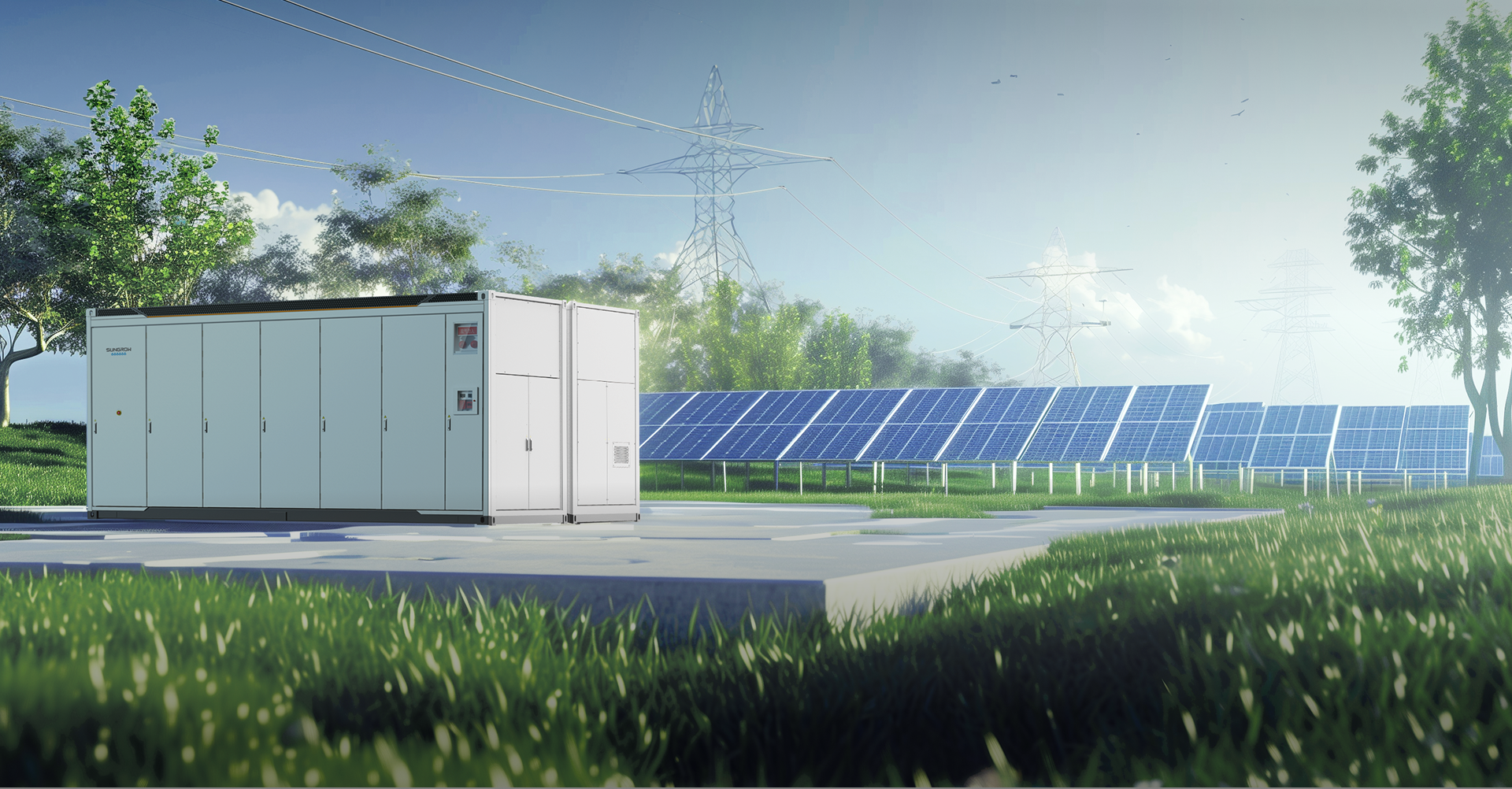
Facing the Limits: Why Traditional Designs Fall Short
I remember standing on a dusty substation pad outside Phoenix in July 2019, watching trucks unload steel containers while we debated topology and warranties; years of field work had taught me to ask the hard questions early. In that project we evaluated utility scale battery energy storage systems and came up against familiar constraints in thermal design, inverter selection, and lifecycle planning—these are not abstract problems, they are cash flow risk. During the 2019 heatwave the grid saw a 22% ramp-down in solar output and a 14% spike in peak rates—could smarter system architecture have avoided those emergency charges? I managed procurement of a 50 MW / 200 MWh containerized Li‑ion system for downtown Phoenix in 2019 and saw peak-demand costs fall by 18% after we changed the control strategy; to be honest, that real saving felt like a small miracle (and it taught me more than any spec sheet). This failure-to-success arc points to core flaws in traditional approaches—let’s get specific and move toward solutions.
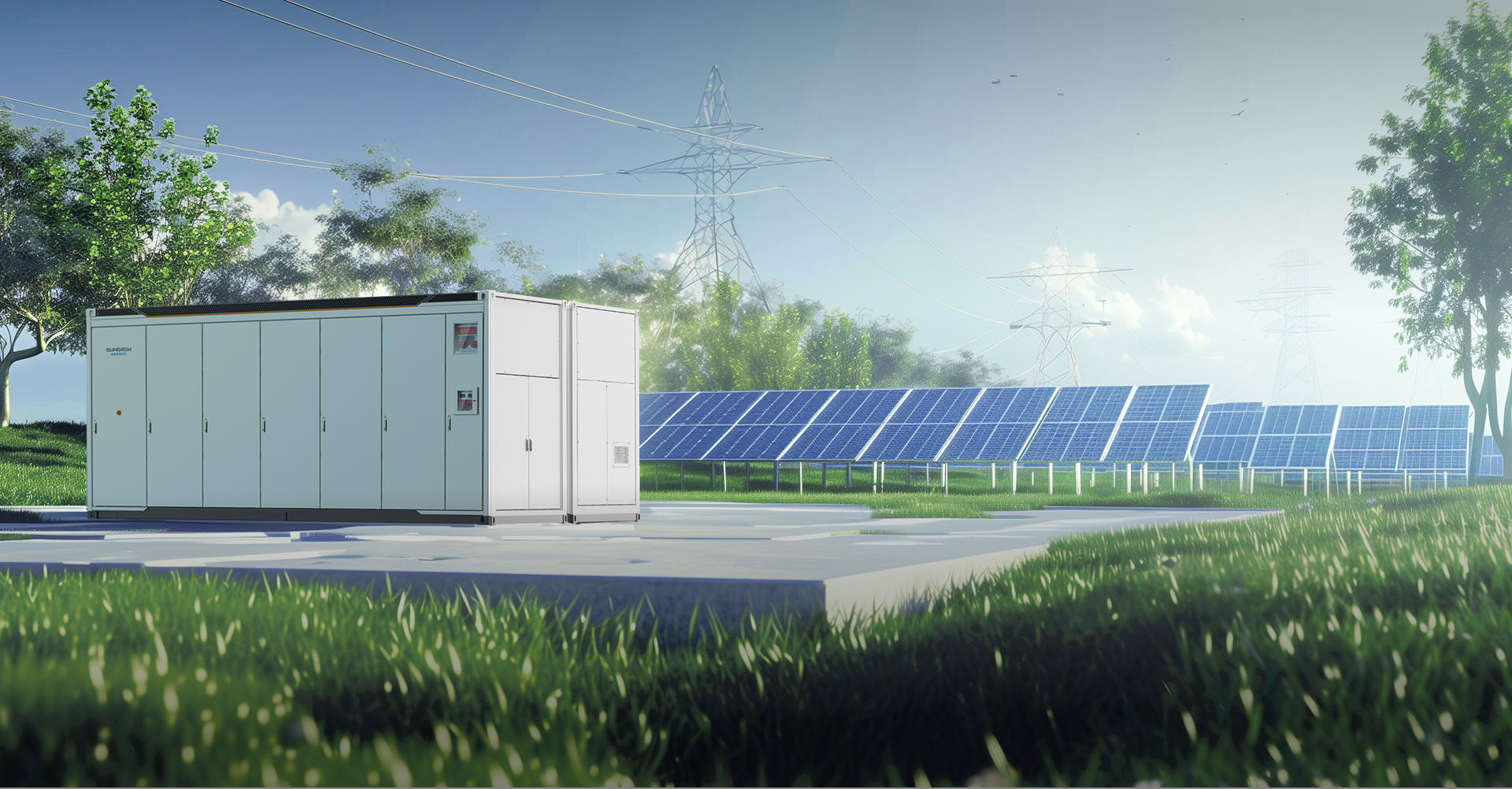
Why did these designs fail?
Most legacy designs focus on nameplate capacity and upfront CAPEX while underweighting operational needs: poor inverter matching, immature BMS integration, and optimistic round-trip efficiency claims create a gap between promised performance and field reality. I’ve repeatedly seen projects where an overspecified inverter led to inefficient partial-load operation, and where a weak BMS allowed SOC drift that required manual intervention (weekends wasted, lost dispatch revenue). Those are not minor annoyances—late 2018 field logs from one western utility showed 7% monthly availability loss from control bugs alone. If you’re buying storage as an asset, you need to price in the hidden OPEX and the revenue you won’t capture if the system can’t respond precisely to frequency regulation or peak-shaving calls. This is the problem-driven lens I use when advising clients—practical, concrete, and focused on what actually moves the bottom line.
—Now let’s compare what to prioritize.
Comparative Paths: Building More Resilient Utility-Scale Storage
Here’s a direct claim: the winner in future procurement is the system that treats integration, controls, and lifecycle as first-class design requirements. When I assess proposals today I ask for clear proof of dispatch accuracy, verified round-trip efficiency under real ambient cycles, and BMS APIs for remote upgrades. Compare modular containerized designs against large fixed stacks—modularity eases maintenance and reduces MTTR; large monoliths sometimes win on initial cost but lose on flexibility. For long-term value I now model Levelized Cost of Storage (LCOS) based on measured degradation curves from vendor field data, not on vendor spreadsheets—this shifts decisions away from one-off price wins to durable revenue streams. In practice, that meant choosing an AC‑coupled approach for a mid‑Atlantic project in 2021 because it preserved PV value and simplified inverter replacement; the result: 12 months faster commissioning and a 9% higher realized capacity factor. What’s Next?
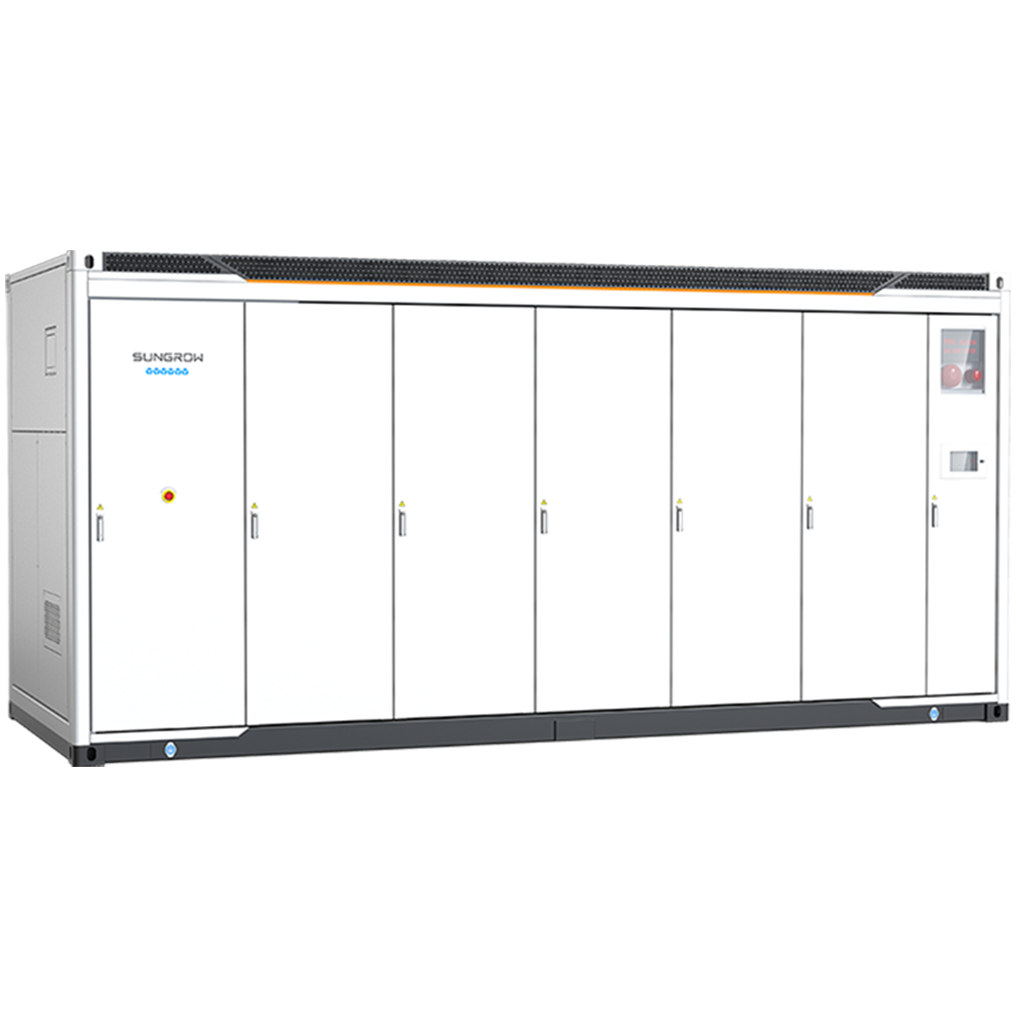
What’s Next?
Advisory close: when you evaluate suppliers, focus on three metrics—LCOS (realistic, with degradation), verified round‑trip efficiency under site conditions, and system availability/MTTR (prove you can fix it fast). I’ve written those metrics into contracts and seen them change vendor behavior—small contract language, big impact. If you want an extra edge, require firmware rollback capability and scheduled interoperability tests; those simple clauses avoided a summer outage in 2020 for one portfolio I advise. Short interruption—yes, it’s worth the paperwork. For practical procurement, balance technical specs with a service plan that mirrors your revenue model, and insist on evidence, not assertions. For partners that combine credible engineering and strong field records, consider vendors like sungrow —I’ve found that measurable performance and clear support commitments are where value actually lives.
