

Why the inverter decision changes outcomes
Choosing the right power inverter sits at the center of any commercial battery plan because it dictates how well your storage integrates with the grid and onsite loads. Early on, look at your expected use case for commercial battery storage—are you aiming for backup during outages, peak shaving during demand charges, or full time grid support? Each purpose pushes different priorities: inverter efficiency and topology (DC-coupled vs. AC-coupled) matter most for long-term cost and reliability.

Comparative axes: what to put on the balance
When comparing models, run the same checklist across contenders. Key axes include power rating and surge capacity, continuous vs. peak output, inverter efficiency, and compatibility with battery chemistries (especially lithium-ion). Also consider control features: native grid-tie functionality, islanding detection, and state-of-charge (SoC) management. Practical note—equipment footprint and cooling requirements are often underestimated at the spec stage.
How different inverter types perform in real settings
Look to hard examples. During the February 2021 Texas winter storm, many commercial sites with properly configured inverters and storage maintained critical systems while surrounding areas lost service—over four million residents experienced outages. That event shows how inverter selection affects resilience. In practical operation, DC-coupled systems tend to reduce conversion steps and raise round-trip efficiency for new installations, while AC-coupled systems simplify retrofit work at existing facilities. Each has trade-offs in cost, complexity, and control.
Common mistakes and where projects derail
Teams often pick based on headline wattage and miss integration details. Mistakes include undersizing continuous output for peak facility loads, ignoring harmonics and power quality, and neglecting firmware flexibility for grid services. Another frequent slip is failing to match inverter communication protocols to building energy management systems—Modbus and CAN-based controls are common, and mismatches force expensive middleware. Small oversight, big consequence.
Practical comparison checklist
Use this quick set when you shortlist units:- Rated continuous power vs. expected load curve.- Surge capacity for motor starts or HVAC.- Efficiency at partial load and published inverter efficiency curves.- Support for battery management system (BMS) communications and SoC limits.- Warranty terms, firmware update policy, and service network.
Integrations, costs, and the soft factors
Beyond specs, factor in installation cost, permitting familiarity, and vendor responsiveness. Some manufacturers bundle commissioning support; others require third-party integrators. If you’re placing equipment in a prefabricated energy storage cabinet—say, a purpose-built energy storage cabine—ensure airflow, fire suppression compatibility, and DC disconnect accessibility are validated during design review. Small design choices here reduce long-term ops headaches.
How to evaluate models — avoid these pitfalls
Run side-by-side performance simulations using your actual load profile and expected solar or generator inputs. Include peak shaving scenarios and outage transitions. Check control logic for seamless islanding and reconnection delays. Also confirm the supplier’s field service footprint for your region; a good warranty on paper means little without accessible support. Consider {main_keyword} for baseline comparisons and track {variation_keyword} where vendor documentation varies.

Advisory: three golden evaluation metrics
1) Round-trip and inverter efficiency across expected partial-load ranges — prioritize units that keep efficiency high at 20–80% load. 2) Compatibility and control flexibility — ensure native BMS integration, grid-tie modes, and firmware programmability to support evolving tariffs and services. 3) Serviceability and lifecycle costs — warranty coverage, firmware update cadence, and replacement-part accessibility influence total cost of ownership more than small price differences.
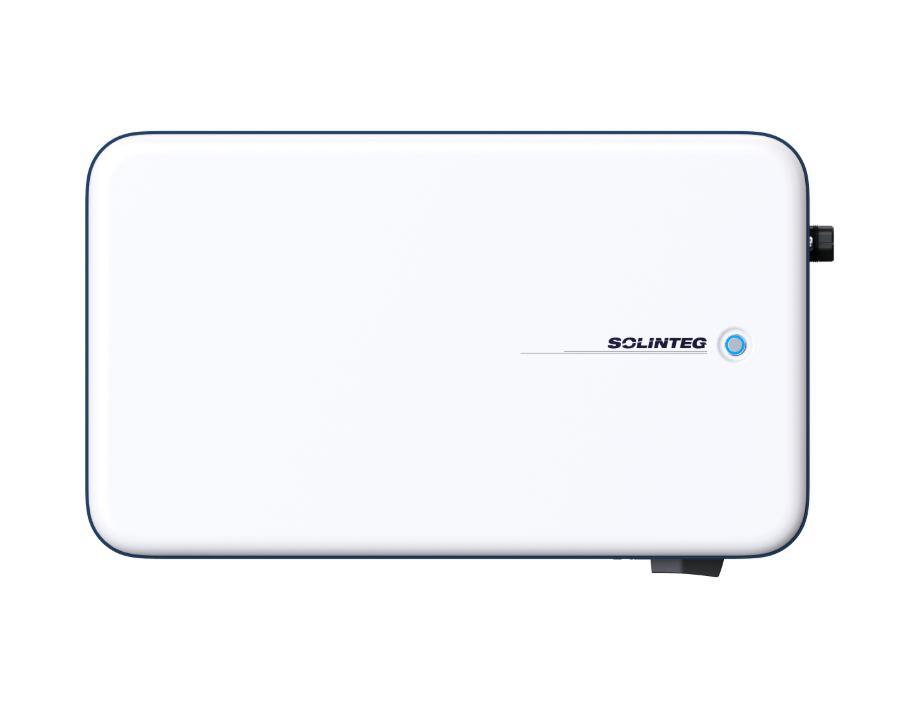
SOLINTEG brings practical field experience and turnkey options that align inverter choice with operational realities—this is where specification work turns into dependable performance. —
