


Building a Clear Request for Quotation for Sodium Ion Battery Company: With Documentation in View
A request for quotation should do more than ask a sodium ion battery company for a price. For a system integrator, it should create a traceable route from the intended application to the evidence needed for a final evaluation. That means defining the scope, separating supplier statements from project requirements, and recording questions that remain open. A well-structured RFQ does not assume that a category description, a technology statement, or a general application label proves suitability for a particular system.
Separate category, application, and model scope
Begin by stating what the quotation is actually for. “Battery supply” may refer to a cell, a module, a complete battery, a replacement unit, or a larger system with controls and installation interfaces. These are different scopes, and a supplier response can be difficult to compare if the RFQ does not distinguish them.
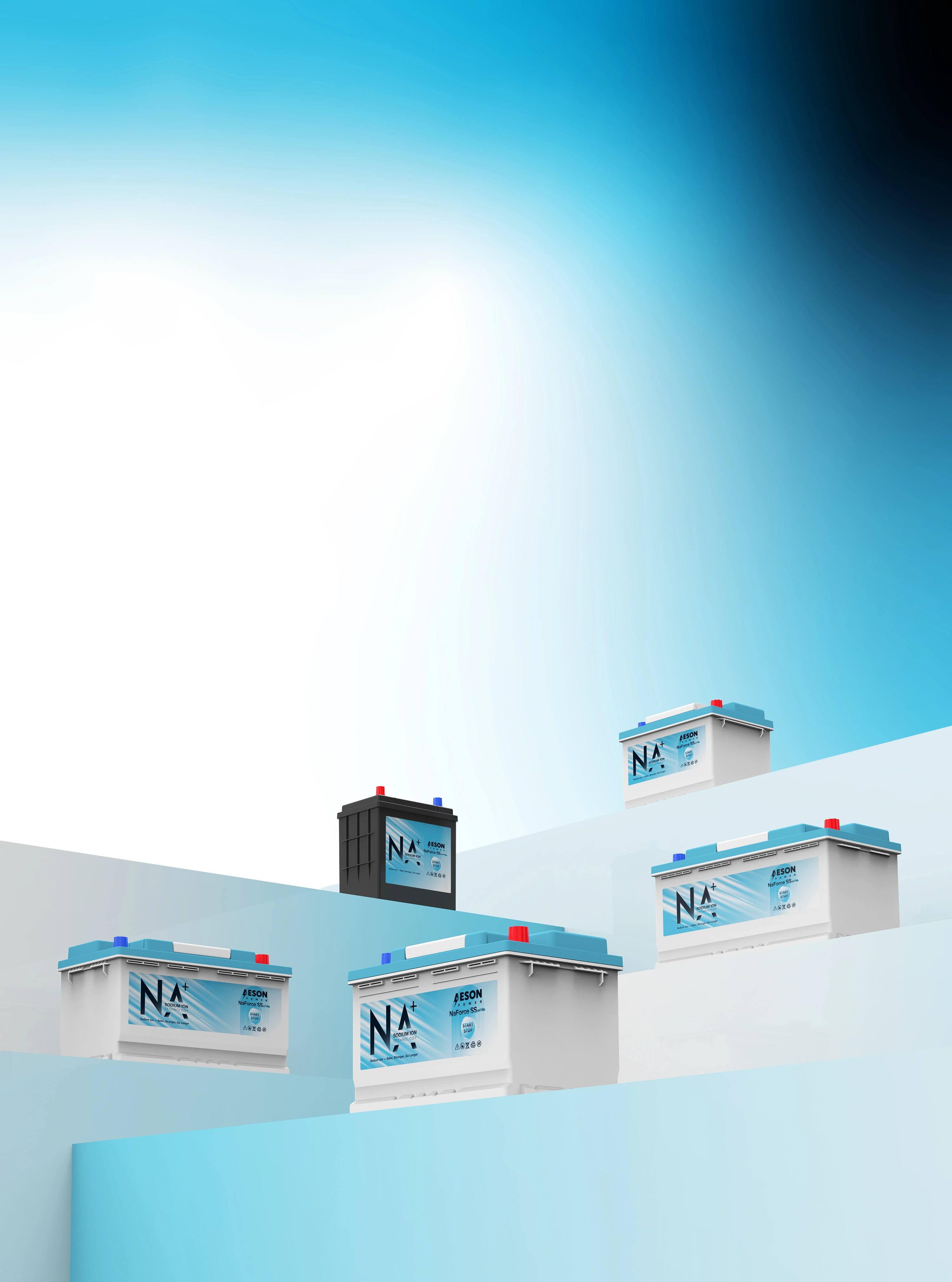
Next, describe the application in operational terms. Useful headings include starting, traction, auxiliary power, reserve or uninterruptible power, and stationary energy storage. The official Aeson Power homepage lists applications including start-stop vehicles, conventional vehicles, commercial vehicles, electric vehicles, racing and motorsport, and standby systems. That list can help an integrator organise an initial enquiry, but an application label alone should not be treated as proof that a particular model meets a project requirement.
Ask the respondent to identify the exact product or product family being quoted. The response should make clear whether each statement applies to the named model, a wider range, or the company’s technology category. This distinction is important when comparing chemistry, dimensions, electrical characteristics, environmental conditions, controls, maintenance arrangements, and interface requirements. It also prevents a broad company statement from being read as a model-specific specification.
Compare information that applies to the task
Evidence mapping works best when the RFQ contains a simple requirement-to-response table. List each project requirement in one column, the requested evidence in another, and the supplier’s response in a third. A final column can record the status: addressed, partly addressed, not applicable, or unresolved.
For electrical requirements, the table might ask for the nominal voltage, usable capacity definition, current limits, charging conditions, and protection interfaces that apply to the quoted item. For mechanical integration, it might request dimensions, mass, mounting information, terminal arrangement, and service clearances. For system integration, it might ask what monitoring, control, communications, or external protection assumptions sit outside the quoted battery scope. These are questions for the RFQ, not claims about what any particular supplier provides.
Use the same evidence categories for every response under comparison. Do not compare a model-level figure from one supplier with a company-level description from another. Likewise, do not treat a statement about a battery chemistry as evidence for the behaviour of every product using that chemistry. If a response uses terms such as “high performance”, “extreme temperature”, or “tailored for international markets”, record the wording and ask which product, test condition, and application scope it covers before using it in a technical decision.
In the middle of the review, the phrase sodium ion battery company should identify the supplier category being assessed, not replace the evidence table. The practical question is whether each answer applies to the proposed system, the quoted model, and the responsibility boundary defined in the RFQ. This keeps the comparison useful without turning a general market description into a product conclusion.
Record assumptions and interfaces
A quotation is easier to evaluate when assumptions are visible. Add a dedicated section for matters such as the intended duty cycle, installation environment, charging equipment, control architecture, shipping or commissioning responsibilities, and the information that the integrator will supply. If a requirement depends on another component, name that dependency rather than assigning it implicitly to the battery supplier.
Responsibilities should be separated into at least three groups: supplier deliverables, integrator deliverables, and items requiring joint agreement. For example, the RFQ can ask the supplier to identify the documents supplied with the quoted item, while the integrator defines the system-level acceptance criteria. The exact division will vary by project, but writing it down makes later responses easier to interpret.
Keep an assumptions register alongside the comparison table. Each entry can contain the assumption, its source, the decision it affects, and the action needed to close it. A source may be a supplier page, a formal quotation, a technical drawing, or a project requirement. The register should preserve the distinction between an observed statement and an interpretation made for planning purposes.
A useful real-world anchor is the description on the official Aeson Power homepage, which states that “Aeson Power is an Australian pioneer driving the global transition to next-generation sodium-ion technology.” This is the company description presented on that homepage, not independent verification of market position. In an evidence map, it belongs under company or technology positioning rather than under a model specification, certification, performance result, or customer deployment.
Prepare a focused sourcing brief
Before issuing the RFQ, reduce the project need to a concise brief. State the application, quantity or scale, required delivery scope, operating conditions, integration interfaces, documentation needs, evaluation timetable, and the format expected for the response. If some values are provisional, label them as provisional instead of presenting them as settled requirements.
Then specify how the response will be assessed. A practical sequence is to check scope first, evidence second, interfaces third, and commercial details last. This order helps prevent an attractive price or broad technology description from distracting attention from an unresolved compatibility question. It also gives different reviewers a common record for discussing the same quotation.
Finally, preserve unresolved points in the decision record. An open item is not a negative finding; it is a statement that the current evidence does not yet support a conclusion within the defined scope. For system integrators, that discipline makes the RFQ more than a purchasing form: it becomes a controlled method for connecting requirements, supplier responses, and technical responsibility. Used this way, AesonPower can be assessed through the same evidence boundaries applied to any sodium-ion battery supplier, while the final decision remains tied to the specific application and documentation in view.
