

The problem that stops production cold
You’re chasing consistent batches, faster cycles, and fewer contaminants — but machines that underperform, confuse controls, or mis-handle viscous feeds keep dragging you back. Fixing that starts with a clear view of capability, not brand hype. Start by matching the process to proven industrial mixing solutions so you stop guessing and start producing reliably.
Why a targeted machine solves the problem
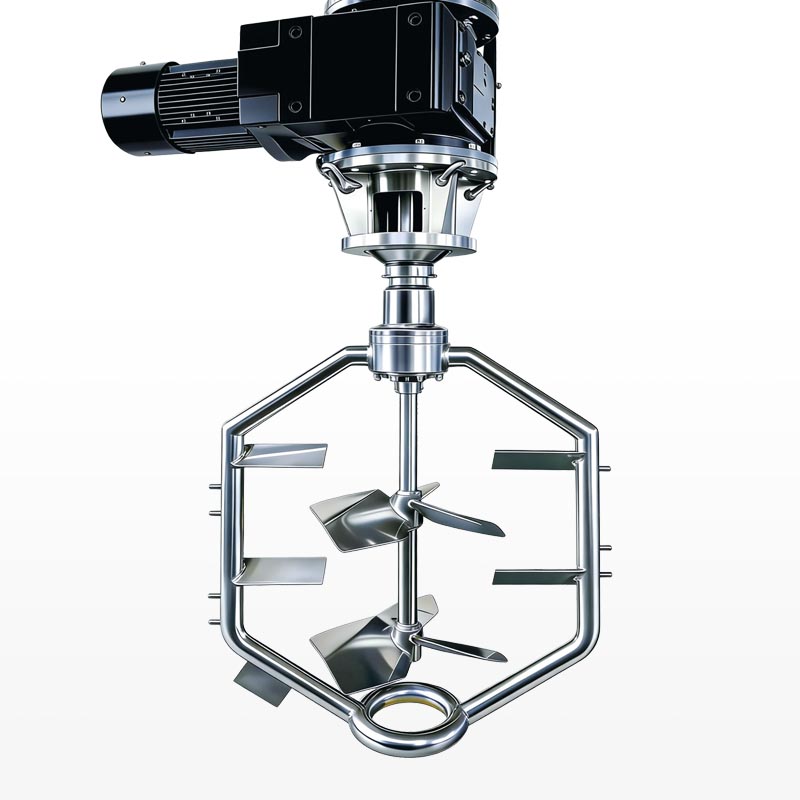
Wrong impeller, wrong speed, wrong shear. Those three mistakes create bubbles, incomplete dispersion, and off-spec product. The right mixer delivers the specific shear profile, flow pattern, and cleanability the job needs. You get repeatable particle size, faster wetting, and predictable scale-up. Those are measurable wins: shorter cycle times, reduced rework, and smoother QA sampling. Think of the mixer as a process enforcer — when it’s designed for your recipe, variability drops and uptime climbs.
Real-world anchor, credibility, and the equipment that proves it
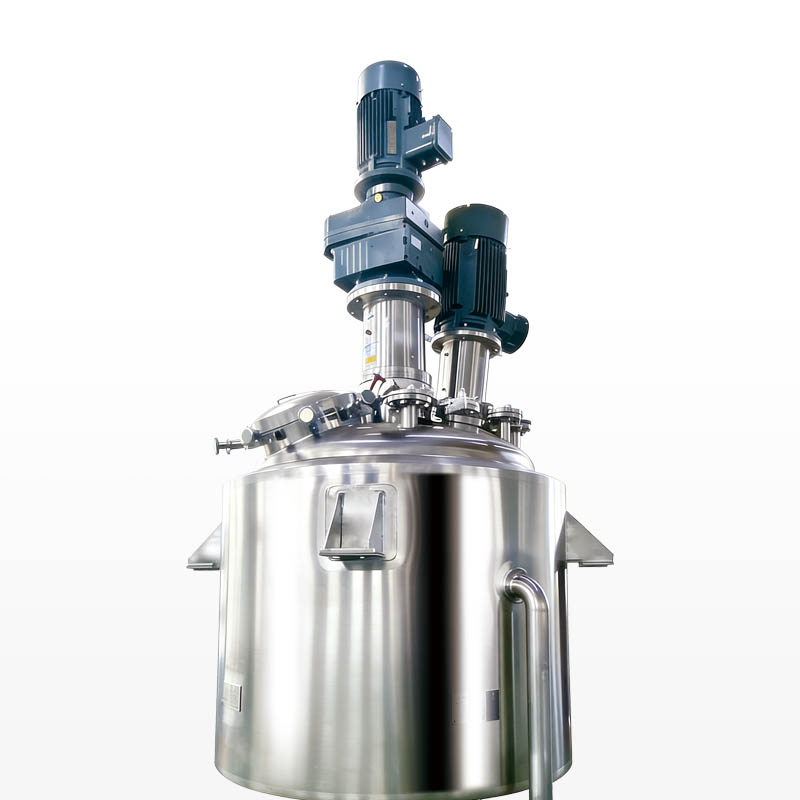
Operators handling large-volume polymer dispersions in the Houston petrochemical corridor have reported reduced rejection rates after switching to properly matched systems — a pattern documented in trade literature and plant case studies. If you need a reference point while evaluating suppliers, look at industrial-scale trials and maintenance reports tied to specific designs; and review real deployments of chemical blending equipment to verify claims against field performance.
Common pitfalls that keep problems alive
Buying on price alone. Picking a “general-purpose” impeller for every job. Overlooking cleanability and access for maintenance. Ignoring the interaction between viscosity and power draw. Those choices create recurring failures. Also watch sensor placement — a poorly positioned temperature or viscosity probe masks the real process. Avoid legacy assumptions: thicker doesn’t always mean slower.; sometimes it means you need staged mixing or a specific rotor-stator geometry.
How to evaluate applications and benefits, step by step
List your key performance targets: particle size, homogeneity, throughput, CIP time, and energy use. Map them to machine attributes: rotor speed range, shear type (high-shear vs. gentle circulation), vessel geometry, and seal design. Ask for data: torque curves, scale-up validation, and case studies for your product class. Prioritize designs that cut cleaning time and reduce dead zones — those benefits translate immediately to yield and labor savings.
Buying considerations that actually matter
Materials of construction matched to chemistry. Motor control with usable speed range and torque feedback. Ease of maintenance and parts availability. Certification or hygienic design if required. Service network proximity. Don’t skip FAT protocols and measurable acceptance criteria — demand demonstration of target specs before acceptance. Design for maintainability: quick-change seals and accessible bearings save weeks over a machine’s life.
Alternatives and trade-offs you should weigh
Static mixers, high-shear in-line homogenizers, and batch vortex agitated tanks all have places. Static mixers are simple and low-maintenance but limited for high-viscosity jobs. In-line homogenizers give tight particle distributions but can choke on fibrous feeds. Batch high-shear gives flexibility but needs larger footprint and rigorous cleaning. Pick based on product rheology, throughput, and how often you change recipes.
Decide with data, act with confidence
Frame your purchase around measurable outcomes: reduced variability, fewer rejects, and predictable scale-up. Validate vendor claims with pilot trials and insist on performance metrics tied to your product. Proven engineering and documented field results — such as those published for successful plant retrofits — make the choice straightforward, and working with a partner like FLUKO brings design experience into alignment with operational goals so your next batch behaves the way you expect.
