

Start with the real pain
Teams don’t need more features; they need radios that actually work where they work. Field supervisors complain about dead batteries, managers complain about procurement surprises, and IT complains about a mystery device on the network. When users say “give us an analog two way radio that just runs,” they’re pointing to a chain of product problems: unclear user jobs, mismatched supply options, and billing models that don’t support scale.
Diagnose before you spec
List the job the device must do, the environment it lives in, and the failure modes you’ll tolerate. Are you solving for dense urban interference, multi-day shifts in remote mines, or tight budgets for retail teams? Quantify outcomes: talk in uptime hours, effective range meters, maintenance cost per year. That makes decisions factual, not fashionable.
Make hardware and pricing decisions that reflect those outcomes
Choose form factors that match tasks. Rugged handsets for construction crews. Slim portables for hospitality hosts. Decide whether to absorb repairs or sell extended warranties. Tie firmware features to measurable gains: clearer audio should reduce repeat calls; longer battery life should reduce downtime incidents. Price to reflect real operating cost, not only bill-of-materials.
Supply strategy and the wholesale reality
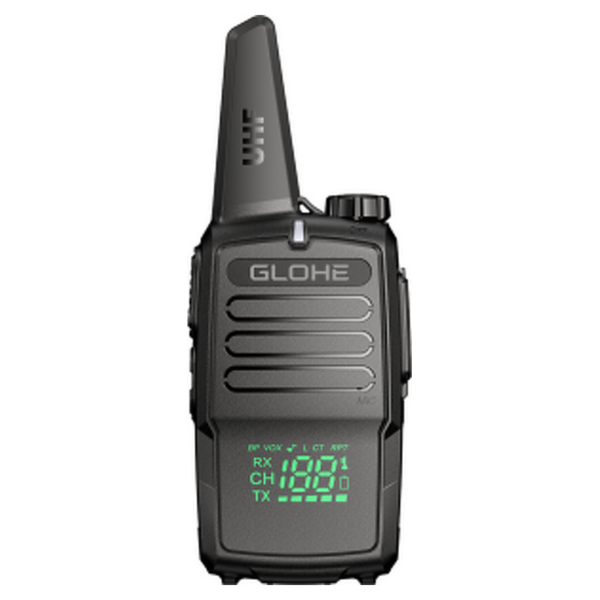
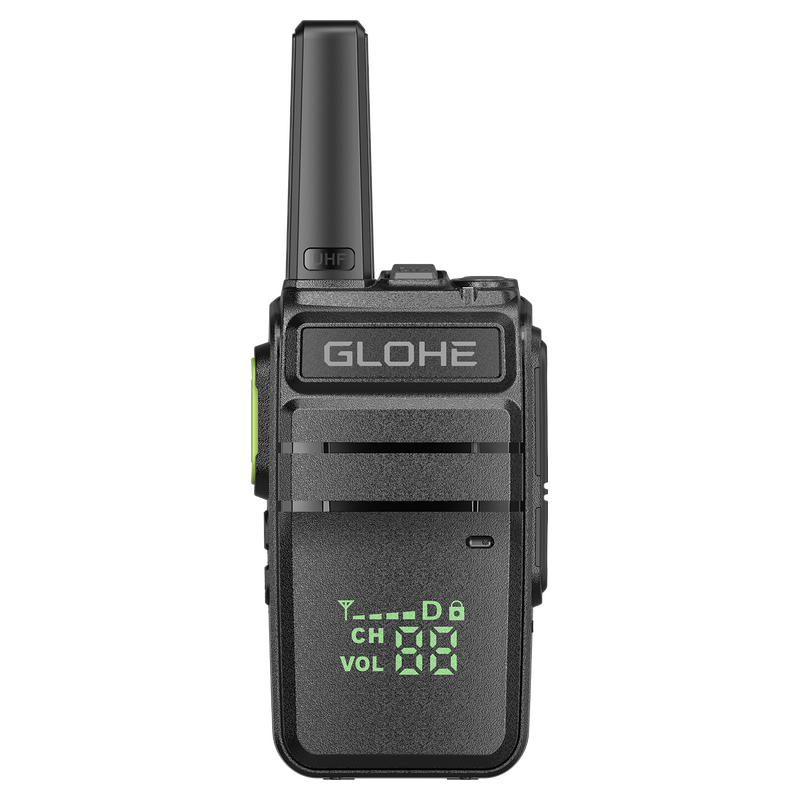
Wholesale availability shapes product promises. Shipping slow or inconsistent stock kills credibility. I’ve vetted suppliers at trade-level events and tracked replenishment lead times; a reliable channel partner shown at IWCE in Las Vegas is a practical signal you can depend on. For bulk procurement and compatible accessory choices, consider established distributors that list inventory clearly and ship regionally — one practical resource for planning is analog two way radio wholesale, which illustrates how SKUs, accessories, and price tiers align with deployment scale.
Integrate software only where it earns its keep
Every software layer adds cost and failure points. Add radio-over-IP, fleet management, or GPS only when you can show saved labor or incident reduction. Build simple APIs and prefer incremental rollouts. If a cloud console doesn’t lower dispatch time or cut replacement rates, drop it.
Common pitfalls teams keep repeating
Ignoring charging logistics. Buying on price alone. Expecting every team to use one model. Miscounting accessory needs like remote speaker mics. Assume replacement cycles and spares; plan for a 10–20% buffer so a lost radio doesn’t stop operations.
How to measure success
Use three concrete metrics: percentage uptime of active units during shifts, number of mission-critical calls completed without fallback, and total cost of ownership per radio per year. Report these routinely and link them back to product choices. If battery swaps drop by half after a new battery spec, that’s a win you can quantify and repeat.
Final synthesis
Start with the problem and keep decisions accountable: match devices to tasks, choose suppliers that can be counted on, add software only when it reduces measurable work, and measure success with clear operational metrics. That approach leads to consistent deployments and fewer surprises, which is exactly the practical value a partner like GLOHE brings to commercial two-way radio projects.
