

When a Project Goes Quiet
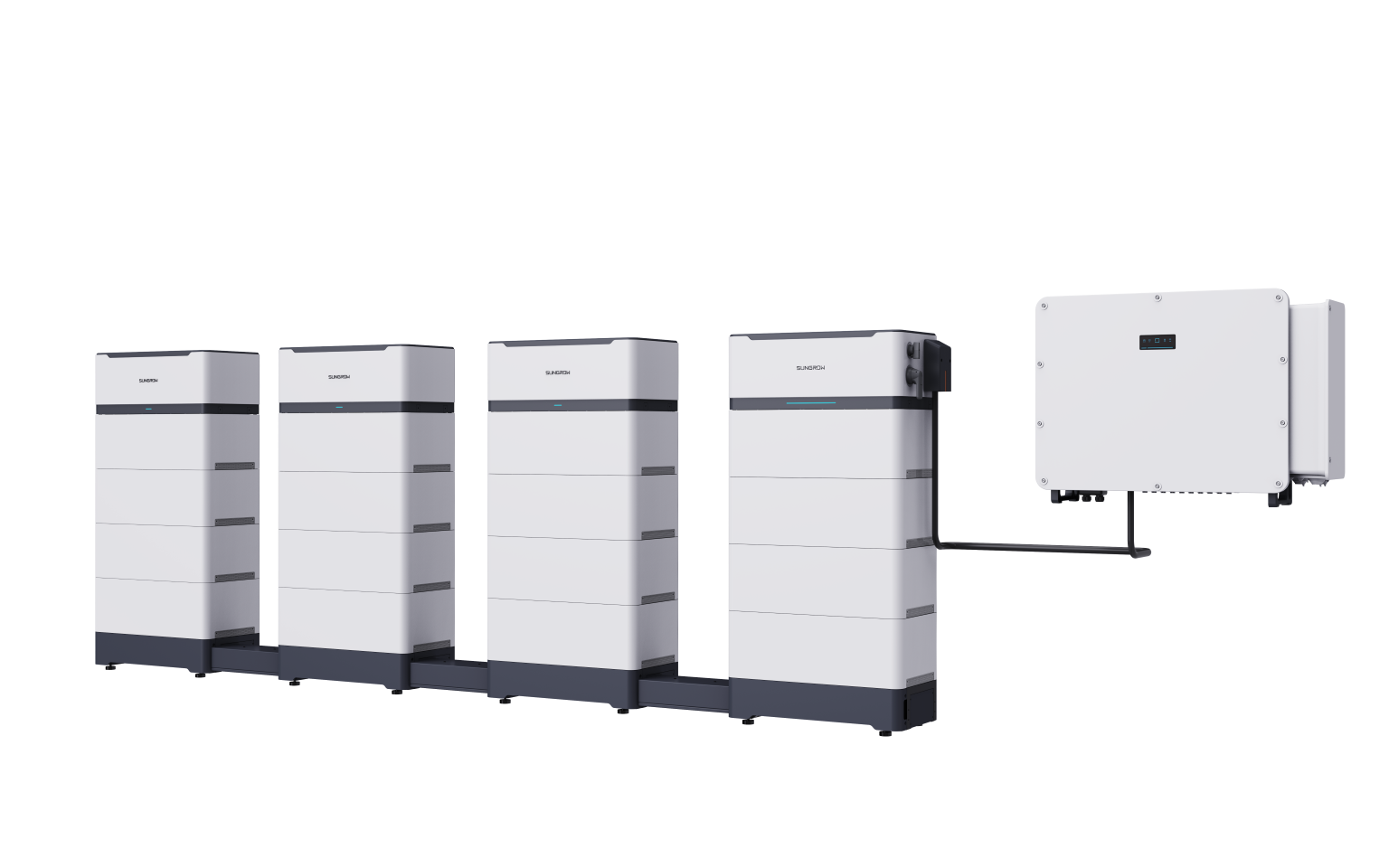
I still picture the site visit: a midrise in Houston with a neat bank of commercial battery storage racks sitting silent under fluorescent lights (trust me, it felt wrong). C&I Energy Storage was on every spec sheet, but the delivered performance told a different story—an LFP module that returned 12% less usable kWh than promised in March 2023, and an inverter that tripped twice in the first week; what concrete failure modes did we overlook? I’ve spent over 15 years buying, testing, and installing systems for wholesale buyers, and I’ve learned the hard way that the obvious fixes often mask deeper problems.
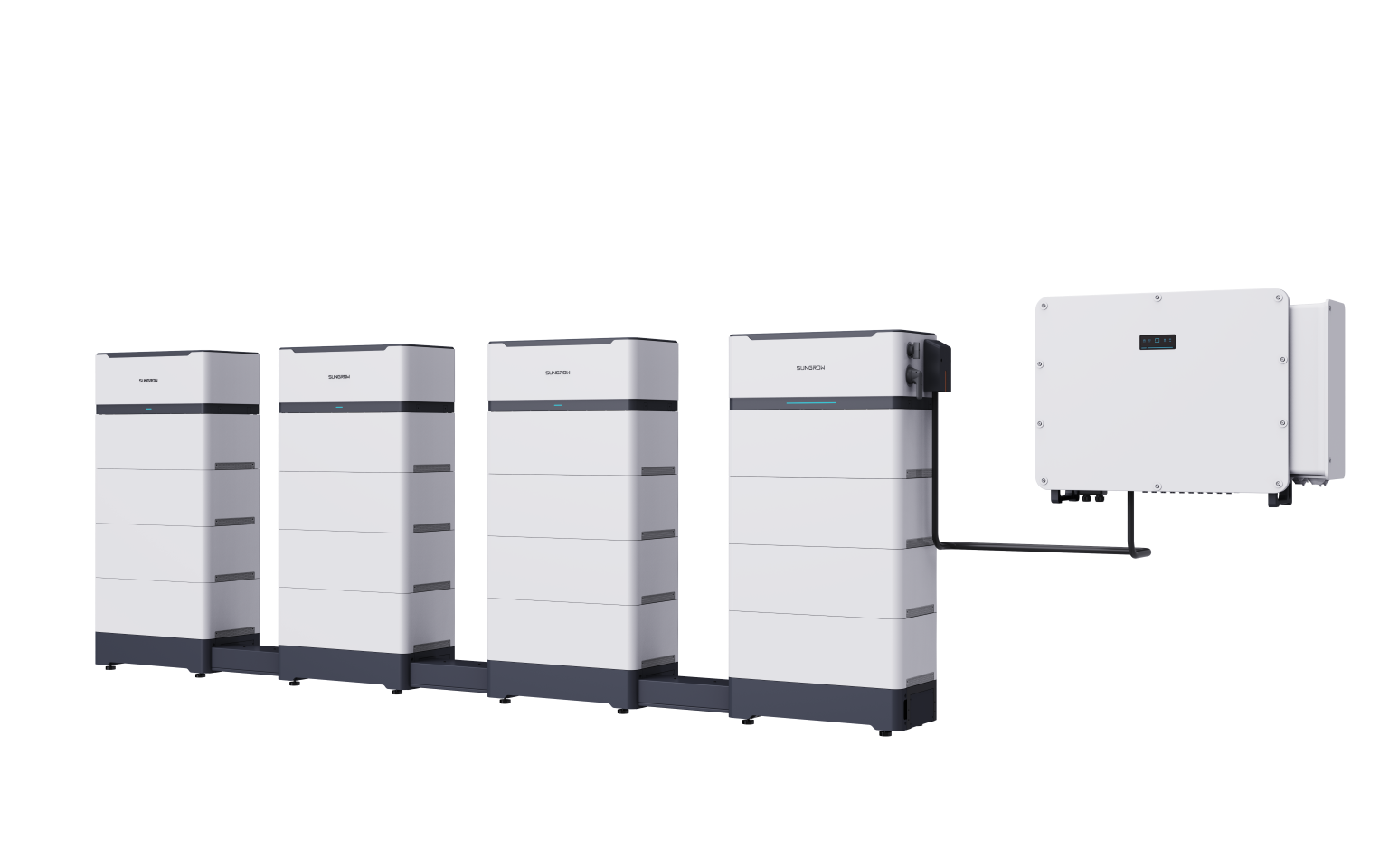
Here’s the problem-driven core: suppliers will sell round-trip efficiency numbers measured in ideal conditions; your site runs hot, the dispatch schedule is different, and firmware quirks intervene. I remember a case where a 500 kWh rack produced unexpectedly low peak output because the BMS locked cells for balancing during midday dispatch—result: lost revenue and missed demand charges. That design choice genuinely frustrated me, and it still does—because you can trade a small up-front saving for months of downtime. The pain points hide in procurement language, warranty clauses, and the mismatch between commercial billing periods and how batteries degrade.
What went wrong?
Mostly: assumptions. Assumptions about temperature, cycle depth, and site controls. I document those assumptions in every bid now, and I push for a simple stress test (48 hours of grid-following and peak-shaving) before final acceptance. The test reveals a lot—controller latency, inverter harmonics, and unexpected thermal throttling—all industry terms we can measure and fix early.
That experience leads me to a more comparative look ahead.
Comparing Paths: Retrofit, Replace, or Recalibrate?
We shifted tone here because the choices are technical and granular now. When I evaluate another commercial battery storage tender, I run side-by-side comparisons: a full replacement of modules, targeted firmware updates, and control-logic retuning. In one Houston portfolio (four roofs, two years apart), retuning the EMS instead of swapping cells recovered roughly 8–10% of lost throughput—cost-effective and faster. I like to split the decision into measurable impacts: immediate kWh recovery, changes to peak demand reduction, and projected warranty exposure over five years.
Consider this practical framework—no fluff: 1) Measure baseline with the system under true load for 72 hours; 2) Isolate whether the fault is electronic (inverter/BMS) or chemical (cell degradation); 3) Model revenue impact per kWh lost. I use those steps every time I advise a buyer. The comparison often points to hybrid solutions—keep the relatively healthy LFP stacks, update the inverter firmware, and add a modest buffer to protect against thermal swings. Small interventions can yield measurable returns.
What’s Next?
We need clearer acceptance tests, and we need them stamped into contracts. I recommend three hard metrics for evaluation before signing: 1) Verified round-trip efficiency under site conditions (not vendor lab numbers); 2) Time-to-recover under real dispatch (hours of degraded performance allowed); 3) Quantified warranty remedies tied to measured performance drops. These cut through vague promises and let you compare vendors on apples-to-apples terms. Also—sometimes you’ll find surprising wins in simple controller retunes—so don’t rush to replace what’s fixable.
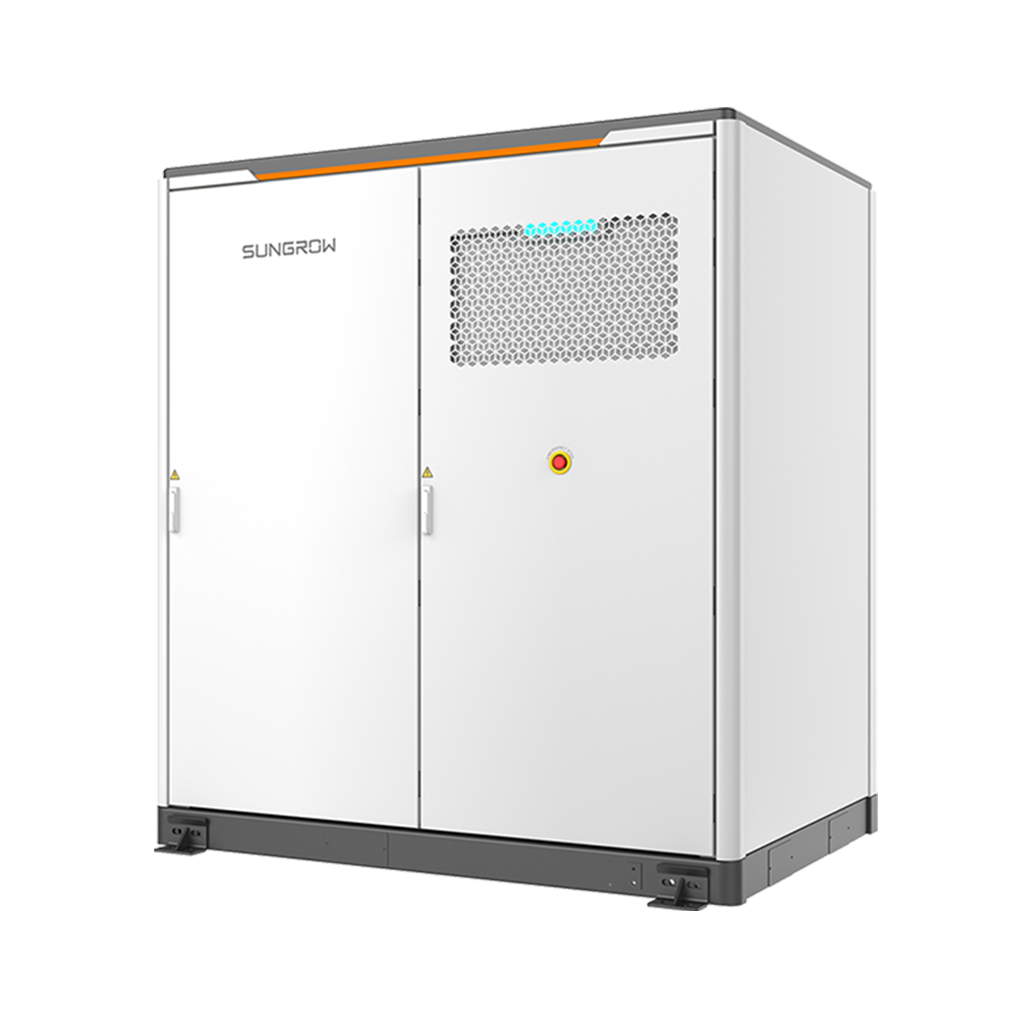
I’ve seen how a focused acceptance regimen turned a failing bid into a profitable asset—and that matters. We learn, we document, and we press for measurable guarantees. For practical procurement and reliable outcomes, start there with sungrow.
