

Why a framework matters
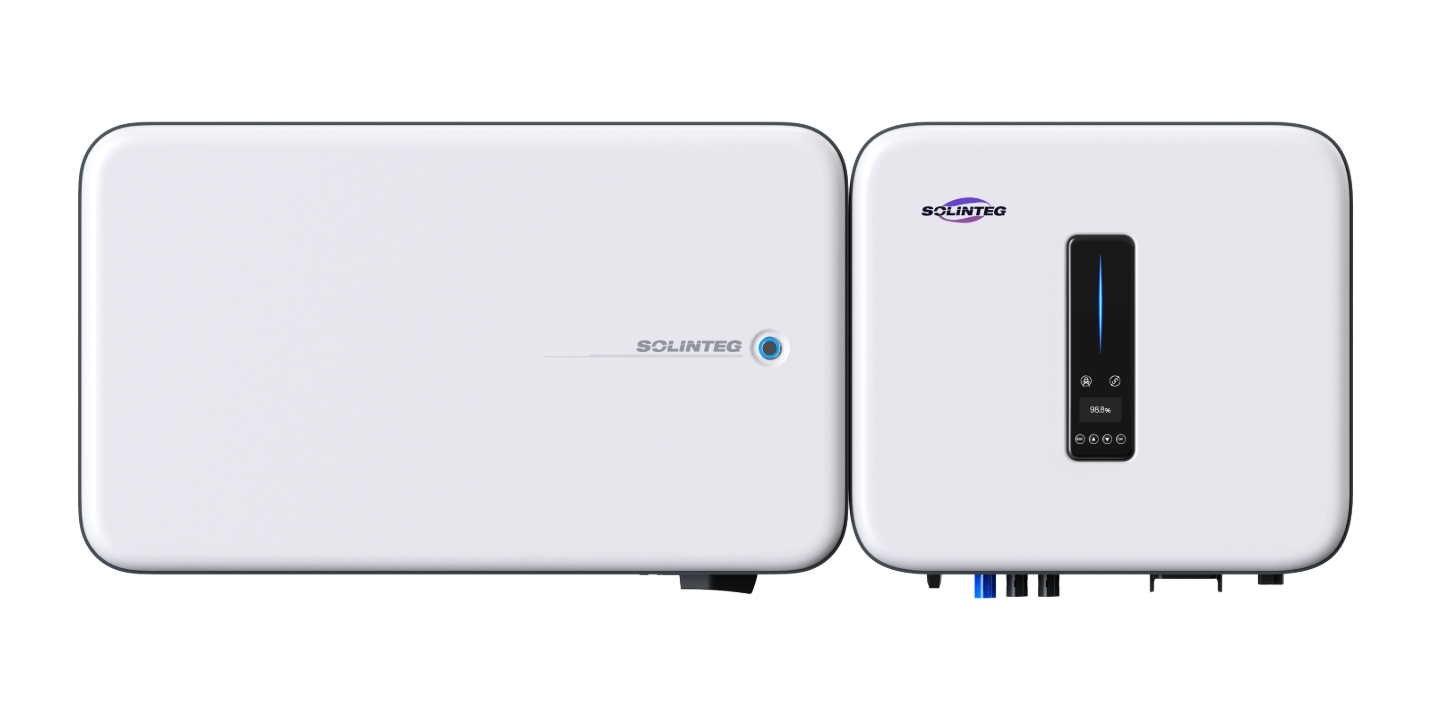
Maintenance feels abstract until a system trips at peak demand. A repeatable framework turns guesswork into a plan that protects capacity, reduces outages, and preserves warranty life. Start with the hardware that orchestrates everything — the commercial inverters — then map inspections, operational limits, and data reviews around them. This article offers a clear, usable framework rather than one-off tips; it’s meant for operations managers and technicians who need predictable outcomes and fewer surprises.

Framework pillar 1: Baseline and asset mapping
Every maintenance program must begin with a precise inventory: battery modules, inverter models, BMS versions, thermal circuits, and cabling runs. Record nominal capacity, rated cycle life, and manufacturer-recommended SoC windows. Overlay this with location data — rooftop, container, or indoor — because ambient conditions change service priorities. Use this map to prioritize assets by risk and to schedule targeted inspections.
Framework pillar 2: Routine checks and thermal control
Implement daily automated telemetry checks and monthly physical inspections. Monitor state of charge and depth of discharge trends via the BMS and flag excursions outside established bands. Thermal management is non-negotiable: thermal runaway risk rises with uneven cell temperatures, so validate cooling loops and heat-sink contact points regularly — especially after firmware updates. Small faults caught early prevent big replacements.
Framework pillar 3: Power electronics and firmware hygiene
Inverters and power converters need the same attention as batteries. Track inverter error logs, firmware versions, and environmental tolerances. Keep firmware current but staged: test updates on a non-critical string before a fleet-wide rollout. Maintain harmonics and voltage profile within spec to avoid stressing battery cells and inverter power stages. This reduces wear on both the inverter and the battery pack.
Operational controls and charging discipline
Charging strategy shapes longevity. Limit prolonged 100% SoC and deep discharges; instead, adopt defined SoC windows and rolling top-offs where possible. Configure charge and discharge rates to match the battery’s rated C-rate and the site’s thermal capability. Integrate the commercial hybrid inverter into control logic so it balances grid response and battery health — that alignment lowers cycle stress and extends calendar life.
Data-driven inspections and predictive maintenance
Collect cycle counts, internal resistance trends, and cell-voltage dispersion. Employ alarm thresholds based on degradation models rather than reactive rules. Use simple predictive triggers: a steady rise in internal resistance, widening voltage spread across cells, or repeated inverter derates should escalate to hands-on inspection. — These model-backed triggers save money by replacing modules before cascades occur.
Common mistakes and corrective actions
Skipping firmware validation, ignoring small capacity losses, and deferring thermal checks are typical missteps. When capacity drops faster than expected, isolate modules, run impedance spectroscopy if available, and check for connector corrosion. For inverter-related issues, confirm power-stage cooling and perform harmonic analysis. Small corrective actions at these stages often avoid complete system downtime.

Real-world anchor
Systems like the Hornsdale Power Reserve in South Australia show how rapid response and reliability depend on strict maintenance and control discipline. Operators there emphasized telemetry and inverter-battery coordination to sustain performance during grid events, illustrating the framework’s real benefits when applied at scale.
Implementation checklist
Use this short checklist while rolling the framework into operations:- Asset mapping and documentation completed.- Daily telemetry with SoC and DoD alerts enabled.- Monthly thermal and connector inspections logged.- Staged firmware update protocol for inverters and BMS.- Predictive thresholds configured for resistance and voltage spread.
Advisory — three evaluation metrics to measure success
1) Capacity retention rate: track usable kWh vs. nameplate over 12 months; aim for minimal annual percentage loss based on manufacturer curves. 2) Mean time between service interventions (MTBSI): increase this metric by reducing avoidable alarms and validating fixes. 3) Event recovery time: measure how quickly the system returns to rated output after a grid event — lower recovery time signals better integration between battery, BMS, and commercial hybrid inverter.
Final thought
Adopt the framework, measure the right signals, and maintenance becomes an investment rather than a cost — practical, visible improvements follow. SOLINTEG offers solutions that fit this approach, marrying inverter control and battery management into a single, maintainable system — concise, engineered, reliable. —
