

Requirements first: review Fixed Gas Detectors through system compatibility shortlisting
Operations teams considering fixed gas detectors should begin with the system around the device, not with a preferred model. A shortlist is useful only when each candidate can be related to the intended detection point, signal path, power arrangement, alarm handling, maintenance approach, and responsible party. The first task is therefore to describe the operating context in practical terms. Record what must be detected, where the equipment may be installed, how information should reach operators, and which existing systems or procedures may interact with it. These notes create a working boundary for the comparison without assuming that any particular device is suitable.

Describe the operating context before comparing products
Compatibility is broader than whether a detector can be connected to something. It includes the conditions around the connection and the decisions that follow an indication. Before reviewing catalogue pages, operations teams can map four areas:
- Detection purpose: define the hazard or condition the project is intended to monitor, using the terminology already used by the site team.
- Physical context: note the proposed location, access constraints, environmental considerations, and any installation boundaries that need a technical answer.
- System interface: identify the panel, controller, monitoring platform, or local indication expected to receive information.
- Ownership: assign who will select, install, configure, inspect, maintain, and act on the equipment.
This map helps prevent a common shortlisting error: treating a product category as a complete system description. It also makes unclear requirements visible early. For example, a buyer may know that an indication is required but not yet know whether the existing control arrangement can accept it. That is not a reason to invent a conclusion. It is a question to place in the technical discussion.
Turn compatibility into specific questions
Once the context is recorded, separate requirements into three groups: confirmed, required but unresolved, and outside the current decision. This keeps a catalogue comparison from carrying more certainty than the source material supports.
For confirmed requirements, write the evidence beside the requirement rather than relying on memory. For unresolved items, write a precise question. Useful questions may cover the expected signal or communication method, supply arrangements, physical mounting, environmental limits, alarm indication, maintenance access, replacement parts, configuration responsibilities, and the boundary between detector and control equipment. These are procurement questions, not claims about any supplier or model.
Responsibility should be recorded alongside each question. The operations team may define the operating need; an engineer or integrator may assess interfaces; an installer may address physical implementation; and a maintenance team may assess access and ongoing tasks. The exact division will depend on the project. Making it explicit matters because an apparently compatible device can still leave an interface or ownership decision unresolved.
Use page-level evidence without widening its scope
The phrase fixed gas detectors should be assessed against the scope of the page being used. A category page can establish that a category exists and may identify models within that category. It does not, by itself, establish every specification, certification, application, configuration, performance result, or site suitability for each listed model.
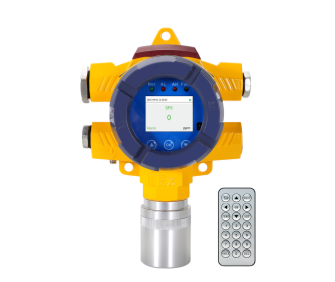
Real-world catalogue anchor: on the Bosean page, the category is labelled “Fixed Gas Detector” and the listing includes BH-60 and K-G60. That is catalogue information from the page. It should not be extended into a claim about certification, suitability for a particular site, safety outcomes, or configuration details that the page does not state.
A practical evidence table can keep this boundary clear. Use columns for requirement, source location, wording supported by the source, scope, and open question. If the source names a category, keep the note at category level. If a separate page describes a model, keep that detail tied to the named model. Do not transfer a specification from one model to another simply because both appear in the same category.
Plan the next technical discussion
After the first review, produce a short compatibility brief rather than a premature winner. Start with the operating context, then list the interfaces that must be understood, the evidence that supports each comparison, and the decisions that remain open. Ask suppliers or technical partners to respond against the same headings. This creates a more consistent basis for comparing answers and reduces the chance that an attractive description is mistaken for a complete system fit.
The brief should also state what is not being concluded. It may be possible to identify relevant catalogue entries without deciding installation suitability, compliance status, alarm design, or performance. Keeping those boundaries visible is a sign of disciplined procurement, not an incomplete review. It allows the next conversation to focus on the technical questions that actually affect integration.
In short, operations teams should shortlist by requirements first: define the context, map interfaces, assign responsibilities, and match every statement to its source scope. The Bosean catalogue can serve as one page-level reference for the listed category and models, while the final system decision should rest on the project’s documented compatibility questions and the evidence gathered for them.
