

Everyday problem — the parking squeeze
Drivers circling Mong Kok or Causeway Bay for ten minutes, buses stuck while kerbside spaces vanish — you see it every day, lah. That daily friction costs time, fuel and patience. Councils and building owners want predictable turnover, tenants want reliable spots, and operators need data that actually helps. When organisations start looking for solutions they ask engineers and vendors at the same time; it helps to talk to trusted car park management system suppliers early so you get realistic scope and budgets.

What a problem-driven solution looks like
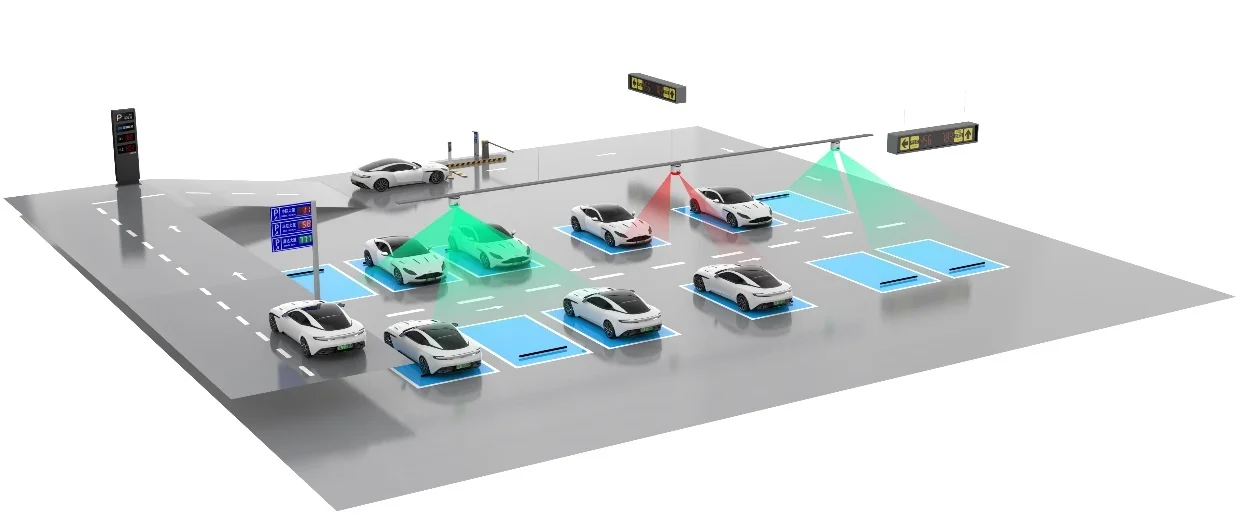
Start with the problem: what exact behaviour do you want to change — reduce cruising time, increase turnover, or improve revenue recovery? Good systems map directly to that. Sensors and cameras feed live occupancy. License-plate recognition ties sessions to billing. Mobile guidance sends drivers to empty bays. A clear objective avoids bloated features that never get used. Pick the outcome first; technology second.
Real-world proof and technical grounding
There’s real field evidence that targeted pilots work: Singapore’s Land Transport Authority ran smart parking pilots showing measurable drops in search time and better monitoring of curb space. Drawing on years of hands-on deployments and integration work, engineers check latency, false-positive rates for sensors, and how the system handles peak churn. A reliable smart parking management system must document end-to-end uptime, API contracts, encryption for payment flows, and maintainable hardware access for replacements. Trust comes from repeatable metrics and clear maintenance pathways.
Checklist — what to demand from a supplier
Concrete requirements keep vendors honest. Ask for: sensor accuracy (occupancy detection ≥95%), average detection latency, API examples for your property management system, clear SLAs for software and hardware, on-site training and a spare-parts plan. Confirm payment and enforcement integrations work in your local regulatory context. Specify the data you need weekly — occupancy heatmaps, dwell-time distributions, revenue per bay — so deployments deliver usable output from day one.
Common mistakes that waste budget
Buying flashy dashboards without fixing data quality is common. Don’t over-automate enforcement before your detection accuracy is proven. Avoid one-off prototypes that can’t scale. Skipping on operational training or spare hardware makes minor faults balloon into service disruptions. Also, don’t assume every sensor type fits every site; matching sensor modality to bay geometry and lighting matters.
Alternatives, trade-offs and quick wins
If budget is tight, start small: pilot a single-floor garage or a high-turn street block to prove the model. Manual attendants plus simple digital guidance can beat a poorly executed full-stack install. Conversely, if you manage many sites, invest in a central platform that standardises data and reporting. Consider LPR where plate-based billing is needed; use ultrasonic or magnetometers where privacy is more sensitive.
Final synthesis — practical value and sensible choices
Fix the specific problem first, measure early, and scale only after you see reliable signals. Good projects reduce driver search time, stabilise revenue, and cut enforcement headaches without mystery costs. When your goals are clear, integration paths tested, and maintenance planned, the solution becomes a straightforward operational tool rather than an experiment — and that’s the sort of outcome you expect from a seasoned partner like AKE Parking.
