

The problem that starts every job
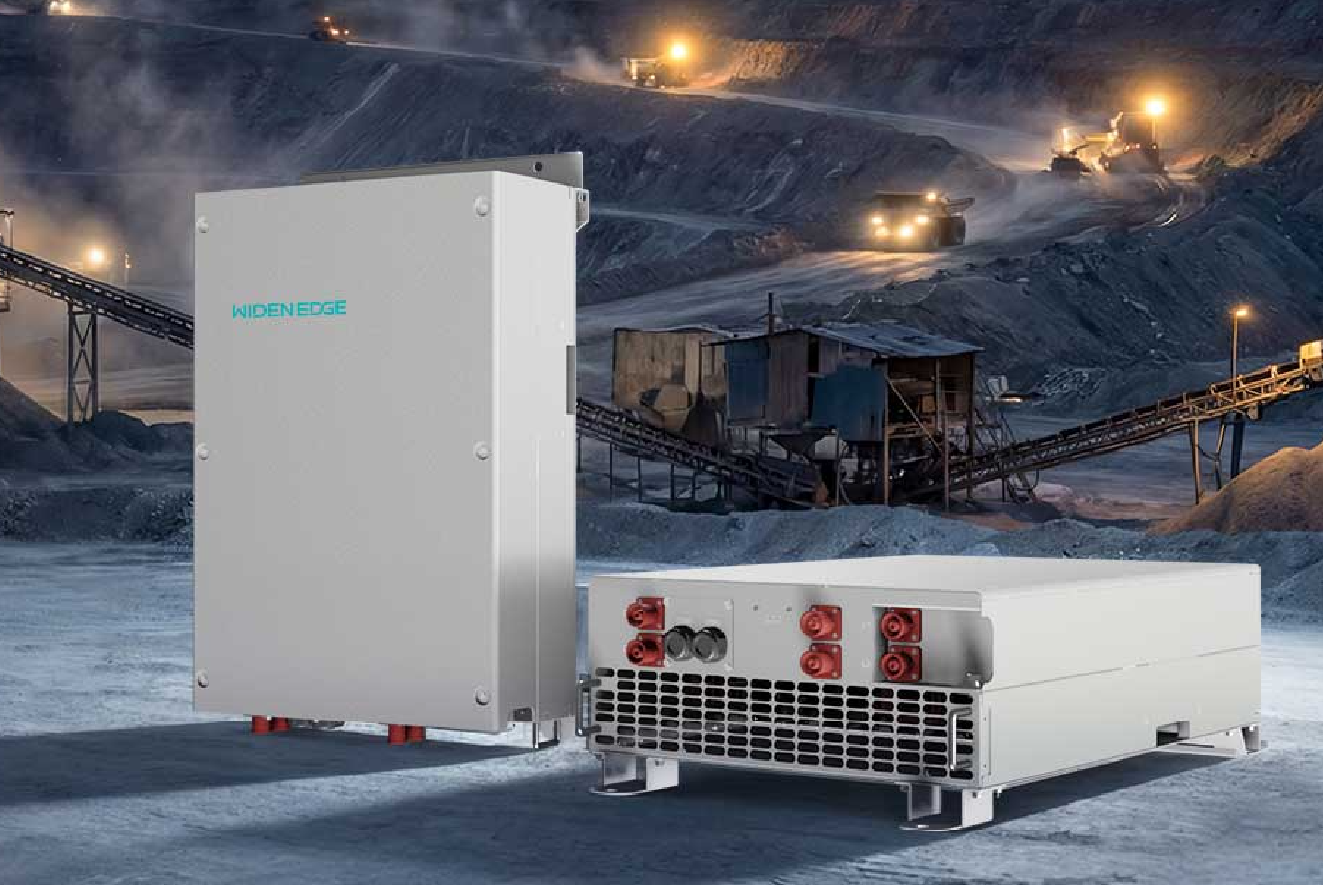
Systems trip, batteries swell, and nobody can tell why because the paperwork’s a mess. You get handed a pile of mismatched parts and told to make it last through the rainy season. If your setup needs a reliable inverter that won’t choke under load, consider a 150kW battery inverter for sites where loads and generator interaction matter. I’ve wired and inspected dozens of off-grid arrays, and the same three faults keep coming up: poor specs, lousy installation, and missing records.
What actually breaks and why
Bad wiring and wrong component choices do most of the damage. Expect these failures:• Undersized cabling that heats and drops voltage, shortening battery life.
• Incompatible inverter/charger settings that fight the generator and cause cycling.
• Lack of ventilation and thermal management, which leads to thermal runaway or reduced runtime.
When those things happen, the fix costs more than doing it right the first time.
Safety rules you can use on the job
Follow these plain rules and fewer things catch fire.• Always isolate battery banks before working. No heroics near live terminals.
• Use proper PPE: insulated gloves, eye protection, and arc-rated clothing when switching large systems.
• Keep batteries out of enclosed living spaces and provide forced ventilation for off-gassing.
• Install overcurrent protection sized to cable and inverter specs — fuses and breakers in the right places stop cascading failures.
Stick to those and you’ll cut incidents way down.
Standards and codes worth paying for
Don’t guess at rules. Comply with local electrical code and recognized battery/inverter standards so inspections don’t become headaches. Look for compliance to IEC or UL battery and inverter standards and confirm inverter protections (anti-islanding, overcurrent, and temperature cutouts). Your electrician should be able to point to a certificate or test report for the main components.
Documentation that saves time and liability
Paperwork isn’t optional. Keep these documents together and easy to find.• Single-line wiring diagram showing breakers, fuses, and protective relays.
• Commissioning checklist with measured voltages, setpoints, and firmware versions.
• Battery test sheet: impedance, capacity, and manufacturer batch number.
• Maintenance log with dates for equalization charging, thermal checks, and inverter firmware updates.
When a regulator or client asks, you’ll be the one who looks competent instead of scrambling.
Common mistakes that get you called back
Here’s what I see on repeat.• Mixing chargers and inverters without coordinated control — they step on one another when the generator starts.
• Skipping surge protection on the AC side — lightning or generator spikes kill electronics fast.
• Failing to balance strings and monitor cell voltages — one weak string ruins a whole bank.
Watch for those and fix them during initial commissioning, not after a breakdown.
When diesel and batteries need to play together
For sites that run a genset and a battery bank, a properly configured system handles transitions cleanly. A diesel storage hybrid system gives you controlled handover, controlled charging, and fewer surprises when the grid or generator cycles. I’ve seen this setup deliver steady power in rural electrification projects in Kenya — generators keep the lights on, batteries smooth demand spikes, and the paperwork helped operators keep fuel costs in check.
Picking gear that won’t embarrass you
Buy components with clear specs and support. Look for units that ship with test reports, firmware change logs, and wiring diagrams. Ask suppliers whether they provide factory acceptance test (FAT) results and if they’ll share recommended protection settings for your generator size. Don’t buy mystery-brand stuff that needs reverse-engineering on site.
Wrap-up that actually helps
Fix the basics: match inverter capacity to load, protect cables correctly, ventilate batteries, and keep tidy records. Do those, and most problems vanish. For clear hardware documentation and sensible integration of batteries, inverters, and gensets, companies like WidenEdge tend to deliver the kind of plain wiring diagrams and test sheets that make field work straightforward and keep systems running longer.
