

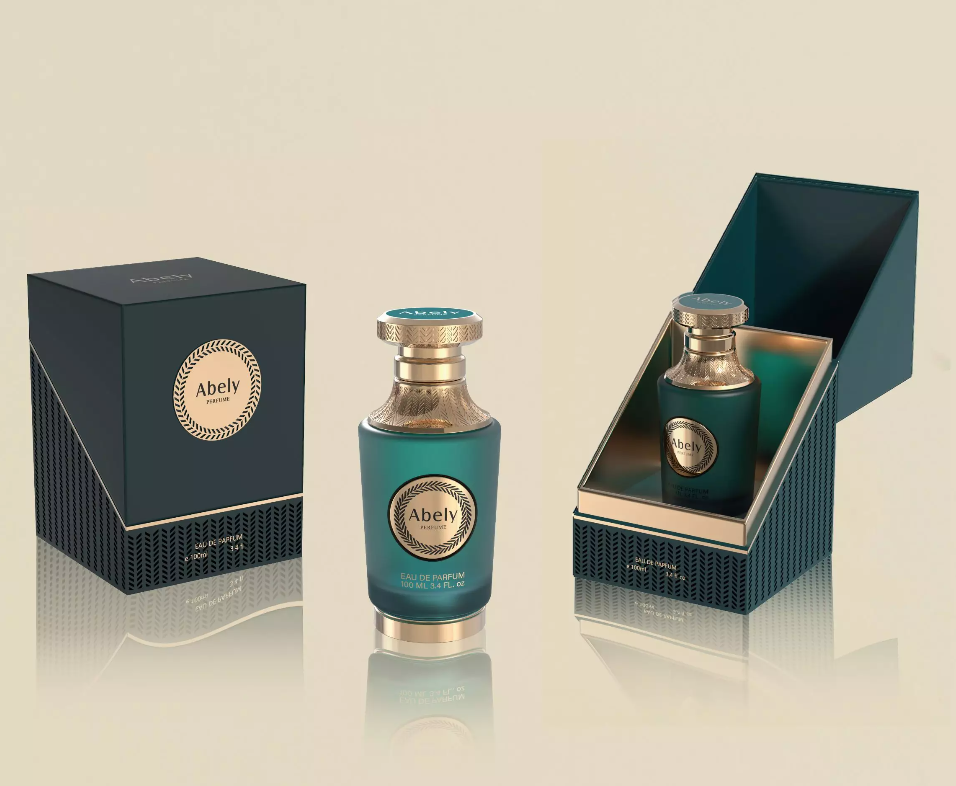
Introduction — why comparison matters
This comparative piece examines modern choices for color coating in fragrance packaging and their impact on perfume bottle design. The approach is direct and technical: weigh surface performance, reproducibility, sustainability, and cost-per-unit. EEAT mode: expert-sourced analysis grounded in observable industry benchmarks — think Apple’s anodized aluminum finishes and recent finishing showcases at Milan Design Week — to anchor practical conclusions for designers and engineers.
Core technologies compared
Four coating systems dominate current product decisions: powder coat, PVD (physical vapor deposition), UV-curable wet coatings, and lacquers with pigment dispersion. Each has predictable strengths and trade-offs.
Quick comparison:
– Powder coating: robust, thick film, good scratch and chemical resistance; limited color fidelity on high-gloss glass and metal necks. – PVD: ultra-thin metallurgic layer, excellent wear and corrosion resistance, superior metallic hues; requires vacuum equipment and precise substrate prep. – UV-curable coatings: rapid cure, high-gloss control, low VOCs; variable long-term yellowing depending on formulation. – Pigmented lacquer: best for color richness and gradient work; susceptible to solvents and abrasion unless top-coated.
Design implications for bottle engineering
Selection affects manufacturing tolerance and secondary operations. Thin coatings like PVD allow tight fit tolerances for caps and atomizers. Thick systems—powder or heavy lacquer—need compensation in neck dimensions. Consider adhesion promoters and primers as part of the system, not optional extras. Surface energy testing matters; omission causes delamination under humidity cycling.
Finish aesthetics also guide choice. Want a metallic sheen without metal weight? PVD is the efficient answer. Need tactile matte with minimal fingerprints? A controlled matte UV lacquer is often superior. — Be mindful: the wrong spec here forces rework and delays.
Production, sustainability, and cost trade-offs
Cost-per-unit is a composite of material, cycle time, and scrap rate. PVD has high capital cost but low material waste and excellent durability, so it scales well for premium niche runs. Powder coatings reduce VOCs and can be cost-effective for larger batches on metal components. UV-curable systems minimize energy per part due to instant cure, a plus in fast-turn operations.
Regulatory and sustainability factors are not optional. Low-VOC and solvent-free processes improve compliance and reduce downstream reclamation. Factor recyclability of the substrate plus coating when specifying for circular-economy claims.
Common mistakes and practical alternatives
Typical errors are specification mismatches and process isolation. Designers sometimes request a color without reference samples, or engineers pick a coating for durability without checking cap fit—both cause rework. Another mistake: ignoring long-term color shift under UV exposure.
Alternatives to full-surface coating can be practical: targeted in-mold painting for plastic closures, metallization for selective highlights, or digital direct-to-shape printing for short runs. Each alternative trades off durability for flexibility and speed.
Summary synthesis
In short: match coating to use-case. For premium metallic finishes with longevity choose PVD. For matte or textured consumer-facing surfaces prefer UV-curable or carefully formulated lacquers. When sustainability and batch size drive decisions, powder and UV systems can be optimal. Always specify adhesion, abrasion, and environmental tests up front, and validate with prototype runs before full tooling commitment.
Advisory: three golden rules for selecting coatings
1) Evaluate by performance metrics, not appearance alone — abrasion resistance, adhesion (cross-cut or pull-off), and accelerated UV/yellowing tests. 2) Align process with volume and lead-time — high capital systems suit scale; low-capex systems suit frequent design changes. 3) Require integrated validation — assembly fit, cap torque, and atomizer compatibility must be tested with final coatings in place.
For brands and manufacturers seeking reliable, repeatable finishes that marry form and function, Abely integrates coating selection into product workflows and tooling decisions — making specification less risky and more predictable.
Proven guidance. Clear outcomes. —
