

Introduction
Have you ever wondered why two labs running the same protocol end up with wildly different results? In neuro research, small differences in instruments often explain big gaps in outcomes. I see this all the time: a lab switches an amplifier or a data acquisition board and suddenly their signal-to-noise ratio improves—or it doesn’t, and months of work get questioned. (Yes, those tiny choices matter.) We have numbers too: surveys suggest variability in equipment accounts for a large share of reproducibility failures in electrophysiology and behavior studies. So where exactly do the problems start, and can we spot them before they wreck a study? That question leads us straight into the messy core of equipment-related failures, and I’ll walk you through the worst pitfalls next.
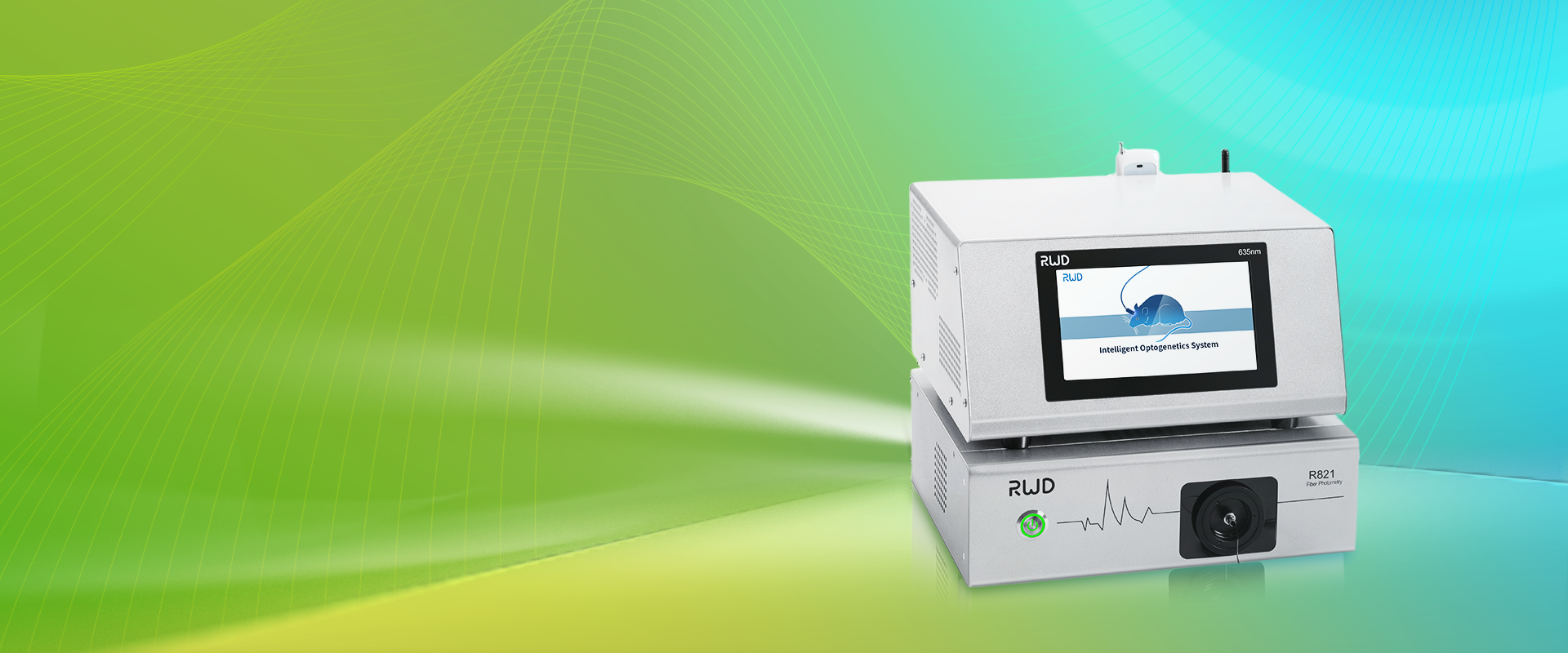
Part 2 — Hidden Failures: Why equipment undermines good science
neuroscience lab equipment often gets treated like a neutral tool—plug it in, collect data—but I’ve learned it’s rarely that simple. In my experience, common flaws hide behind respectable brand names: mismatched impedance on microelectrode arrays, poor shielding that raises noise floor, or legacy data acquisition systems that drop packets under load. These are not academic nitpicks; they change effect sizes, skew spike sorting, and push borderline results over the statistical cliff. I’ll be blunt: ignoring those flaws is like blaming the weather for a leaky roof when you never fixed the shingles.
What typically fails?
First, calibration drift. Instruments age, and without routine calibration you get bias in every reading. Second, user-interface assumptions—teams assume settings are standard when they’re not, so patch-clamp gains or filter cutoffs vary between operators. Third, integration faults—optogenetics rigs, stimulators, and amplifiers must synchronize; if triggers jitter, you misalign spikes and stimuli. Look, it’s simpler than you think: regular checks, clear SOPs, and matched cabling eliminate many failures. Still, implementation takes time, and I sympathize—labs are busy, budgets are tight, and someone has to be responsible for maintenance.
Part 3 — Future outlook: Fixes, standards, and what to buy
Moving forward, I favor a pragmatic mix of better standards and targeted upgrades. If you ask me, the next five years will see more modular, interoperable devices—think plug-and-play amplifiers with embedded timestamps and smarter data acquisition systems that report health metrics in real time. These changes reduce human error, and they help teams scale experiments without exploding variance. I’m cautiously optimistic—new hardware standards won’t solve everything, but they make honest science easier.
What’s Next?
In practice, I recommend three evaluation metrics when choosing gear: (1) measurable signal fidelity—check published signal-to-noise ratio data; (2) interoperability—can your device speak to your lab’s software and stimulators without custom drivers?; (3) long-term support and calibration options—does the vendor offer traceable calibration and spare parts? Use these metrics as filters. Then, pair them with a small pilot study to validate the setup in your own hands. — funny how that works, right?
To wrap up, I’ve seen the damage that unchecked equipment variability causes, but I’ve also seen labs recover—by standardizing protocols, investing in a few high-impact upgrades, and demanding clear specs from vendors. If you want practical choices and reliable suppliers, I recommend checking provider catalogs and testing gear before full deployment. For trustworthy options on neuroscience lab equipment, and to learn more about calibration-friendly solutions, visit BPLabLine. I’m convinced: the right tools, used thoughtfully, make better science possible—and yes, that’s both hopeful and demanding at once.
