

Introduction — a snapshot that matters
I once watched a small job shop win a contract because they changed a setup mid-shift; that decision made all the difference. CNC milling and turning centers are the workhorses in that story — powering tool changes, spindle speed shifts, and rapid fixture swaps. Recent industry data shows mid-sized shops that invest in flexible platforms reduce lead time by up to 30% and scrap by 18% (real figures that affect margins). So I ask: are you set up to respond when a customer changes specs at 2 a.m.? I’m talking about machine footprint, tool turret access, and simple things like G-code readiness. My take: flexibility isn’t a buzzword — it’s a measurable advantage for capital allocation and throughput. In the next section I’ll dig into where common approaches fail and what that really costs you — short-term pain, longer-term drag on growth. Let’s move on and get practical about the gap between theory and what you actually see on the floor.
Where traditional approaches stumble
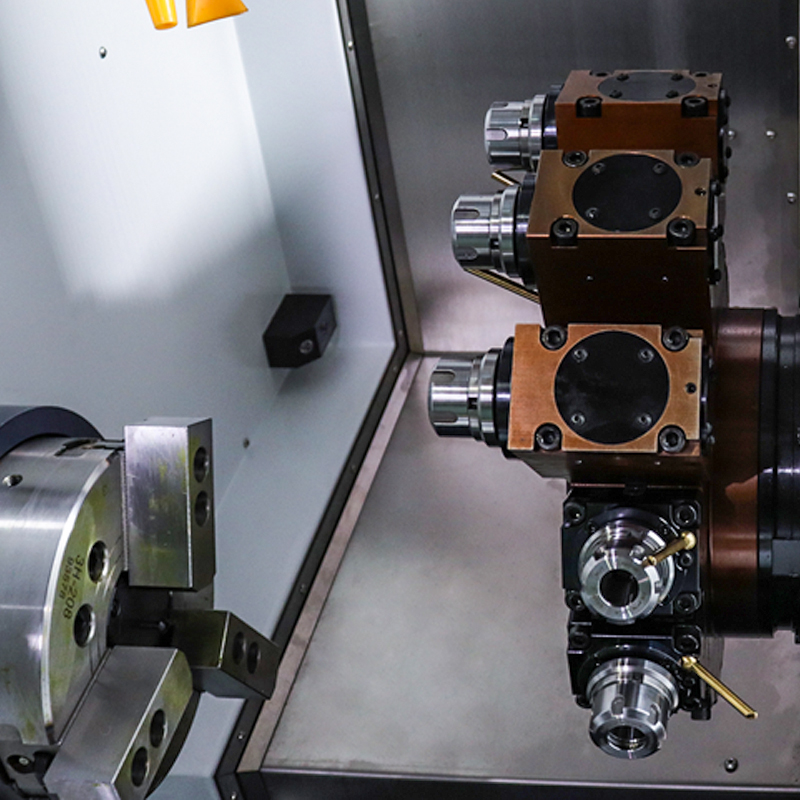
cnc milling and turning manufacturers often sell rigid cells as “robust” solutions, but I’ve watched that robustness become a bottleneck. Machines with fixed tooling arrays and long fixture change routines raise setup time and force operators into workarounds. You end up with idle spindle time, tool turret conflicts, and extra micro-operations that no one billed the customer for. From my perspective, the core flaw is treating every job like a repeat order — when in fact 40% of shop work is mixed, low-volume runs that demand nimbleness. Look, it’s simpler than you think: you either pay in downtime or in overtime.
I’ll be blunt — the hidden costs show up in data you might not track: shorter tool life from improper feeds, scrap from rushed transitions, and lost bids because lead times look long on your quote. Those are all tied to old assumptions: one machine per task, rigid fixturing, and minimal CNC programming agility. When I audit shops, I focus on three things: spindle utilization patterns, average tool-change times, and how often G-code edits happen on the fly. Fix those, and you free capacity fast — funny how that works, right?
So what exactly breaks?
In short: outdated fixturing strategies, limited Y-axis capability, and control systems that require hands-on edits. Those hit throughput and morale the same way.
New principles and the path forward
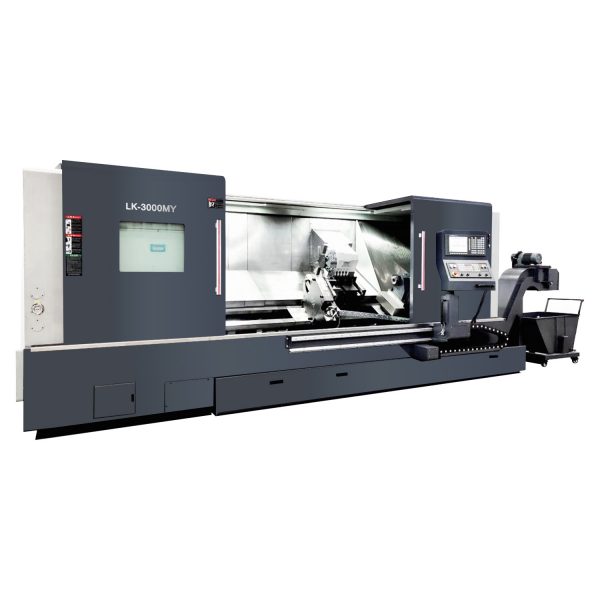
Now I want to shift toward solutions. I’m convinced that embracing modular automation and smarter controls changes the math. The core principle: replace brittle sequences with adaptable stages. That means combining quick-change fixtures, smarter tool turret logic, and real-time feedback from servo motor diagnostics. When you pair that hardware with modern CAM workflows, you reduce the number of manual interventions per job. I often point to syntec control system cnc platforms as examples where improved HMI and macro-programming cut setup cycles; the control lets operators shift strategies without deep code edits. The result is not just fewer errors — it’s predictable throughput that investors can model.
What I like about this approach is it respects human skill while taking the drudgery out of repeatable tasks. Operators stay engaged; machines run cleaner. Moving forward, prioritize modularity: quick-change chucks, Y-axis-capable turrets, and spindle systems rated for higher duty cycles. Two practical outcomes follow — lower unit cost and faster response to custom orders. And yes, it requires some upfront capital and a learning curve, but we’ve seen payback windows compress when shops commit to the change.
What’s Next — three metrics I use
When you’re evaluating an upgrade, I recommend these three clear metrics: 1) Effective spindle utilization (target +10–15% over current), 2) Mean setup time per job (cut by 25% or more), and 3) First-pass yield improvement. Measure these quarterly. I also advise running a small pilot cell first — learn fast, then scale. If you want to see specific machine examples and modern control implementations, the syntec control system cnc link above is a good technical reference that I’ve used in assessments.
To wrap up: I believe flexible machining beats rigid design because it aligns with real demand patterns and protects margin. We’ve moved from theory to concrete steps — audit the bottlenecks, test modular upgrades, and track the three metrics I shared. Do this, and you’ll make better investment choices with clearer returns. For resources and equipment options, I recommend checking Leichman.
