

Policy stakes and the immediate problem
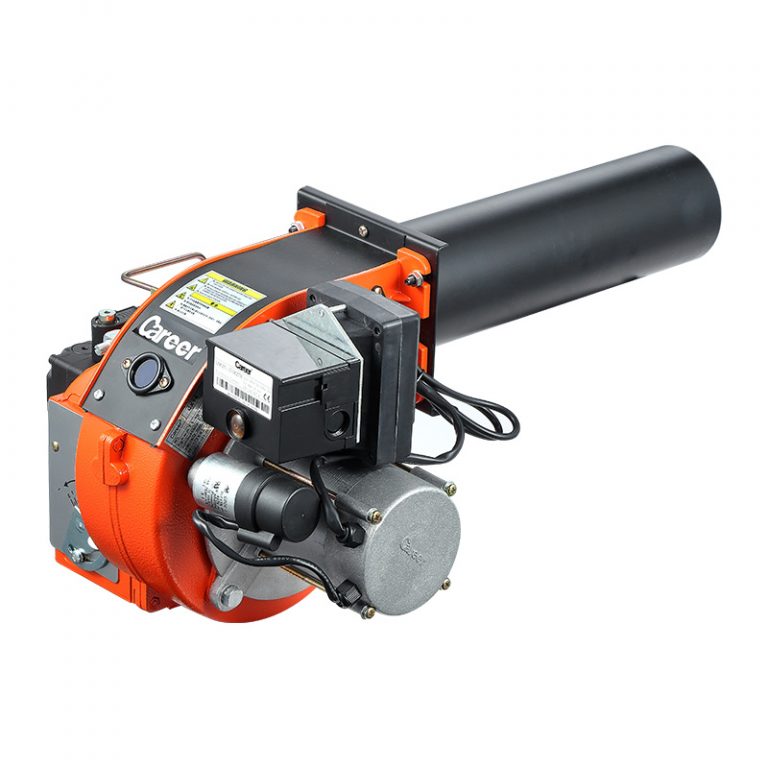
Governments face a clear choice: curb smog-forming emissions now or pay higher public-health and compliance costs later. Low-NOx burners reduce nitrogen oxides at the source, cutting legal exposure and local air quality burdens. Facilities running older equipment can often swap to a modern diesel fuel burner or retrofit existing units to meet stricter limits without relying solely on downstream treatment. That on-the-ground option shifts responsibility from costly end-of-pipe fixes to engineering decisions plant managers control day-to-day.
Technical strengths and political leverage
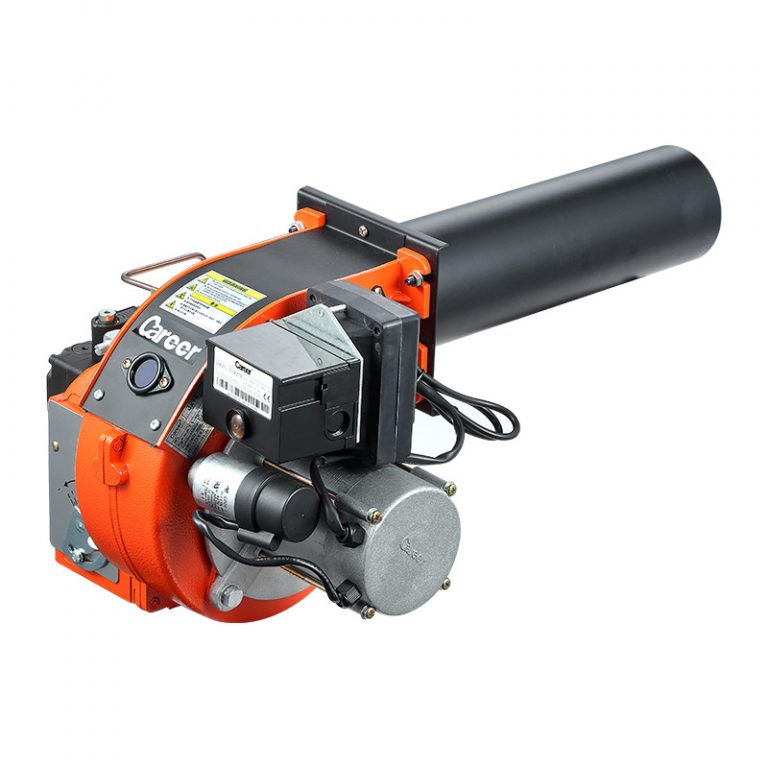
Low-NOx burners work by reshaping combustion to limit peak flame temperatures and oxygen pockets where NOx forms. That’s proven engineering, not a policy theory. For regulators, mandating or incentivizing such burners produces predictable reductions in urban NOx loads, helps meet ambient standards, and lowers the need for complex compliance mechanisms. For operators, the trade-off is straightforward: modest capital and commissioning effort for long-term emissions certainty and simpler permitting.
Real-world anchor: regulation driving adoption
European industrial policy provides a clear example: tighter emission limits under the Industrial Emissions Directive pushed many manufacturers toward energy efficient burners, because retrofitting combustion systems often proved faster and cheaper than adding large after-treatment systems. I’ve followed this shift across reports and site visits for more than a decade, noting that policy clarity accelerates procurement cycles and spurs measurable reductions in stack NOx readings.
Alternatives, trade-offs, and where low-NOx wins
Selective catalytic reduction (SCR) and selective non-catalytic reduction (SNCR) remain valid alternatives, especially where retrofits can’t meet limits alone. But these systems add complexity, require reagent logistics, and introduce secondary maintenance burdens. Water or flue-gas recirculation can reduce NOx but sometimes degrade thermal efficiency. Low-NOx burners frequently offer the best balance: direct emission reduction, lower ongoing operating complexity, and easier integration into existing control systems.

Pitfalls operators and policymakers must avoid
Don’t treat low-NOx as a plug-and-play cure. Poorly specified burners, neglected combustion tuning, or ignoring fuel variability will undermine expected gains. Compliance programs that fixate on equipment purchase without enforcing commissioning, continuous monitoring, and operator training invite backsliding. Policymakers who tie grants or permits to performance metrics rather than upfront receipts will see results; otherwise investments can sit idle.
Concrete recommendations for policy and procurement
Tie financial incentives to verified emission performance after commissioning. Require third-party combustion testing and routine reporting. Prioritize retrofits where payback is under a defined horizon and where local air quality benefits are greatest. Train plant staff on combustion tuning and simple diagnostic checks so the burner’s design intent translates into real reductions on the stack.
Conclusion: practical value that aligns industry and policy
Low-NOx burners are more than a technical choice; they’re a policy instrument that reduces regulatory friction and improves public health with tangible engineering outcomes. When procurement, commissioning, and enforcement line up, facilities get cleaner combustion without the added burden of complex downstream systems. That alignment is precisely the outcome practical managers and regulators want—and it’s the kind of reliable solution that Career Burners helps organizations evaluate and implement.
