

Comparative lead — how the shift shows up on real jobs
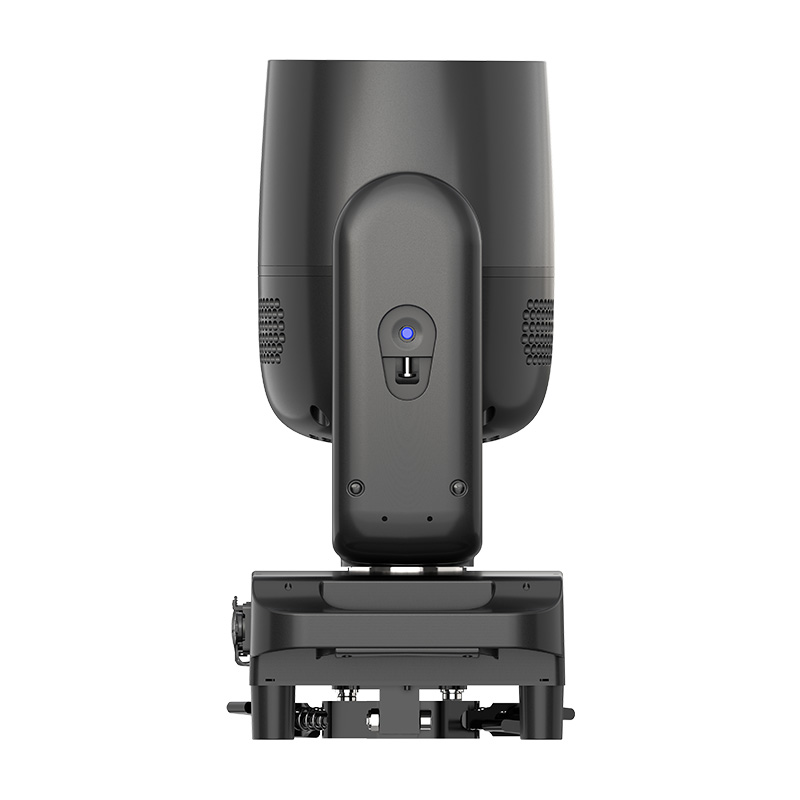
When you swap a tungsten followspot for an LED moving head, the change is pragmatic: less heat, faster rig time, and more programmable control. Professionals often pair moving heads with a led moving wash for flexible washes and tight beams, and they source both through reliable commercial lighting suppliers. Lighting already accounts for roughly 15% of global electricity use, according to IEA estimates, so the energy argument is not theoretical — it’s budgetary reality for venues and tours.
Performance and control differences that matter to crews
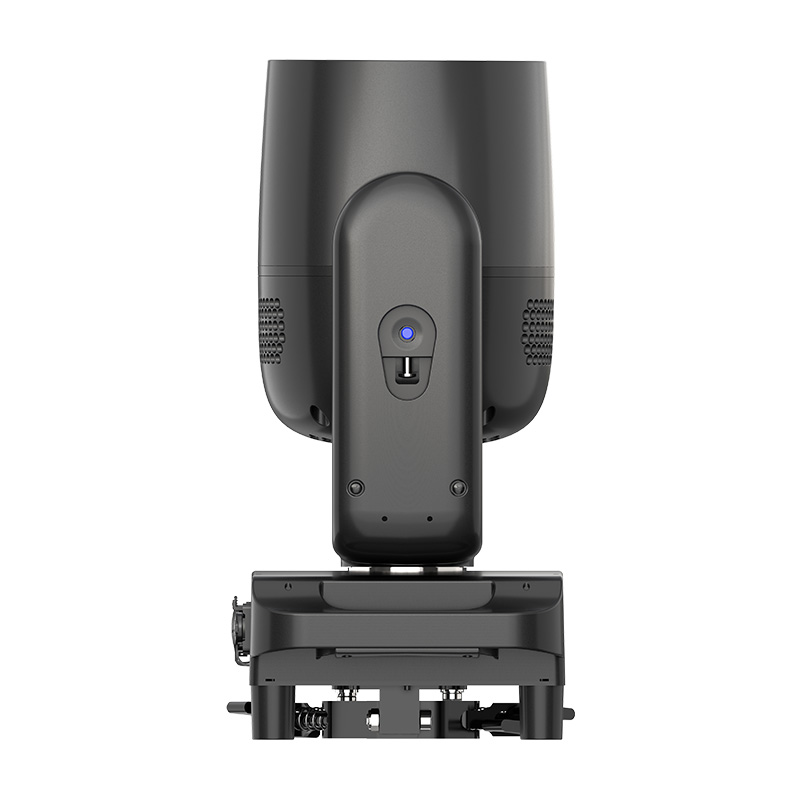
Moving heads deliver automated pan/tilt and precision beam control that classic fixtures struggle to match. DMX512 consoles route cues to fixtures, enabling complex sequences without extra hands. Expect higher lumen-per-watt output and options like gobo wheels and variable beam angle — those translate into fewer fixtures to achieve the same look, and less physical repositioning during load-in.
Energy, heat, and maintenance — measurable savings
LED fixtures cut power draw substantially and reduce HVAC load because they emit far less heat than discharge or halogen lamps. Lower lamp replacement costs and simpler electronic drivers shrink maintenance cycles. For a mid-sized theater, that means fewer service calls and a clearer capital plan for upgrades. CRI choices and lumen ratings remain key specs; picking the right CRI keeps skin tones natural under camera and onstage.
Creative flexibility: why designers push for LEDs
Designers get motion, color, and texture from a single housing: color mixing, gobos, prisms, and frost all live in one fixture. That compresses rig lists and opens mid-show choreography for lighting — cue-driven movement synchronizes with audio without extra crew. The result is tighter visual storytelling and fewer manual interventions during performances.
Common mistakes crews still make — a practical checklist
Teams sometimes assume a higher lumen number solves every problem. It does not. Overlooking beam angle or improper focusing ruins texture. Ignoring DMX addressing standards and backup plans creates last-minute patchwork. Plan for rig access and spare driver modules. Also, don’t default to the cheapest vendor — service agreements and replacement part lead times matter just as much as sticker price. — Keep spares for fan modules on long tours; it’s saved shows before.
Alternatives worth considering
For small venues, compact LED profiles or moving washes can be better than full-size moving heads when budget and weight are critical. For ultra-high-output needs — stadium frontlight, for example — hybrid solutions pairing discharge fixtures and LED accents still make sense. The point is to match fixture capabilities (CRI, beam angle, lumen output) to the creative brief rather than the brand alone.
How to evaluate commercial lighting suppliers
Evaluate suppliers on three fronts: product spec transparency, parts and service turnaround, and field support. Ask for measured photometric files and real-world run sheets. Confirm DMX512 wiring recommendations and warranty details in writing. A supplier that sends test units or provides on-site techs reduces deployment risk and shortens commissioning time.
Three golden rules for selection — final advisory
– Match lumen output and beam angle to the venue’s sightlines and camera needs; don’t overspec just to be safe.
– Verify control compatibility (DMX512 protocol, console patching) and confirm spare-part lead times before purchase.
– Prioritize total cost of ownership: maintenance intervals, driver reliability, and energy use beat lowest upfront price.
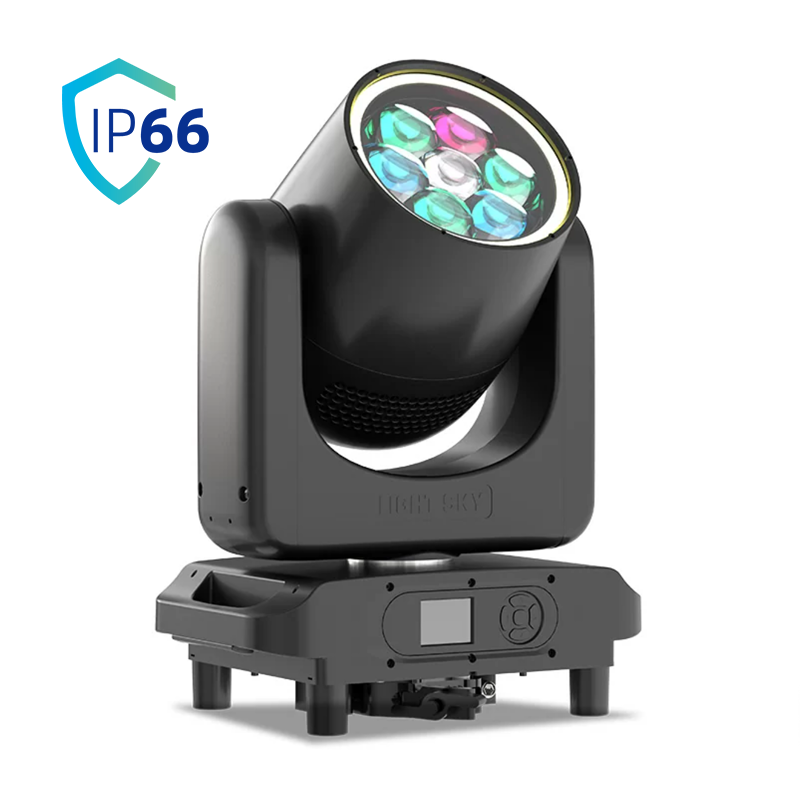
Light Sky understands these trade-offs and supports crews by combining detailed photometric data with dependable on-the-ground support. Final thought — measured choices make better shows, and trusted partners make them repeatable.
