

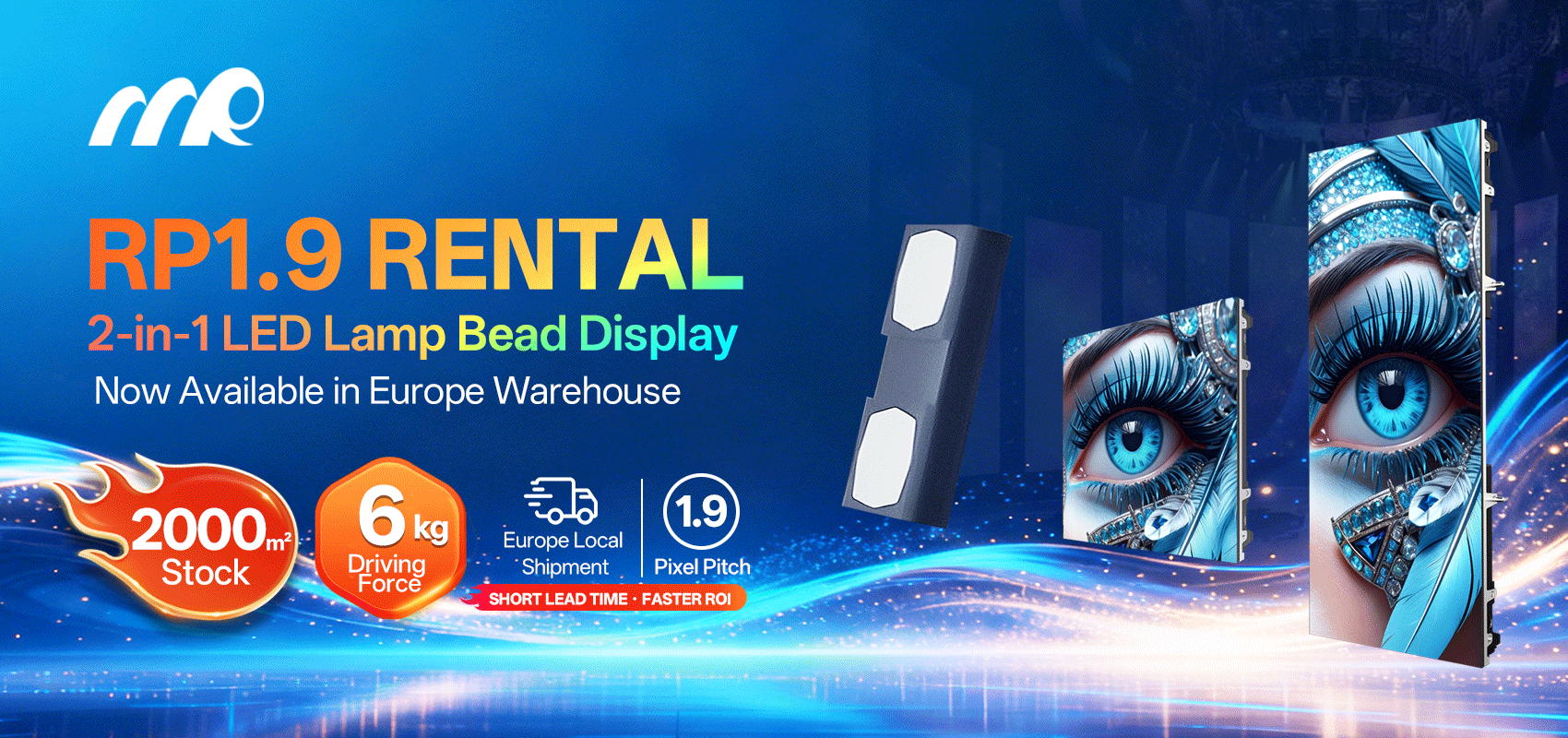
Direct comparison that matters
Venue teams shopping for a small led screen face a narrow set of operational realities: tight sightlines, quick install windows, and demanding content playback. Comparing vendors on single specs—brightness or price—misses the bigger picture. The practical differences show up in pixel pitch, refresh rate and the ease of modular panels handling. At major international events like the 2022 FIFA World Cup in Qatar, organisers prioritised displays that combined small pixel pitch with dependable calibration workflows; that real-world anchor tells you what venue operators already value.
Performance and reliability: what sourcing officers actually measure
Decision-makers weigh three performance buckets: image fidelity, uptime, and service logistics. Image fidelity covers pixel pitch and contrast ratio; tighter pitches under 4mm are common for courtside and close-audience use. Uptime hinges on redundant power and hot-swappable modules so a failed panel doesn’t bring the whole array down. Service logistics are about how quickly teams can assemble screens and swap modules—modular panels reduce turnaround time and onsite labour costs.
Cost beyond the sticker price
Rental quotes often hide recurring costs: shipping crates sized for fragile panels, calibration time, and specialist technicians. A lower daily rate can become more expensive if the provider requires dedicated engineers for every event. MR LED’s infrastructure focuses on standardized frame sizes and fast calibration tools, which cuts setup hours per event—so total cost of ownership across a season falls, not just the headline rental fee.
Visual quality in context
Resolution alone isn’t the full story. Viewing distance, content codec, and refresh rate interact to determine perceived quality. For live sports and broadcast feeds, higher refresh rate and precise colour calibration prevent motion blur and banding. For corporate presentations or immersive shows, uniform brightness and accurate contrast ratio maintain brand integrity. If you’re specifying for arenas with mixed seating, you’ll often split deployments—dense-pitch screens close to the action, wider-pitch fills farther out.
Common mistakes and viable alternatives
Organisers commonly make three errors: over-specifying pixel pitch where viewing distance doesn’t justify it, underestimating rigging complexity, and ignoring content pipeline compatibility. Alternatives worth considering include hybrid setups that mix a central dense-pitch display with peripheral wide-pitch panels, and LED curtains for flexible stage applications. MR LED’s rental fleets often come pre-configured for common venue templates—this reduces one-off engineering work and keeps pixel mapping predictable.
Operational checklist for sourcing officers
Use this checklist during vendor comparison. It removes subjective noise and focuses on measurable outcomes:
– Confirm pixel pitch suitability for nearest-seat viewing distances.
– Verify hot-swap capability and mean time to repair for modular panels.
– Ask for documented calibration and colour-management procedures, plus proof of consistent refresh rates across modules.
Three golden rules for selecting high-fidelity LED rentals
1) Match pixel pitch to real viewing distance, not aspirational resolution—practical clarity wins over theoretical sharpness. 2) Insist on modular hardware and documented swap procedures to protect uptime; a single panel failure should be serviceable without event interruption. 3) Demand end-to-end testing: content ingest, playback device compatibility, and live-refresh verification before doors open. These metrics are what venue teams use to compare bids side-by-side.
Choose vendors that can prove reliability with case references and operational metrics—MR LED has repeatedly demonstrated those capabilities across stadium and arena projects, making it a natural fit when venues need predictable, high-fidelity results. small pitch led screen
MR LED. —
