

Introduction — a small workshop, a stubborn hum
I was fixing a delivery van last spring when a low, steady hum kept me from hearing myself think. The noise turned out to be an electric motor that refused to sync with its controller; the driver had lost hours on a route and a pile of invoices. Around a third of similar field complaints point to mismatched control strategies, not hardware failure — that number surprised me. So what really trips up a system: the motor, the inverter, or the way we try to outsmart both? (Spoiler: it’s rarely a single part.)
In that cramped bay I started asking basic questions about design and use. I wanted answers that didn’t need a whiteboard or a PhD. The scene set a problem I see again and again: high complexity masking simple causes. Field-oriented control, power converters, and inverter timing are often blamed, but they only tell part of the story. Let’s peel this back and see what’s hiding under the cover — and why simpler often performs better.
Peeling back the real faults (technical view)
Why do permanent magnet designs still misbehave?
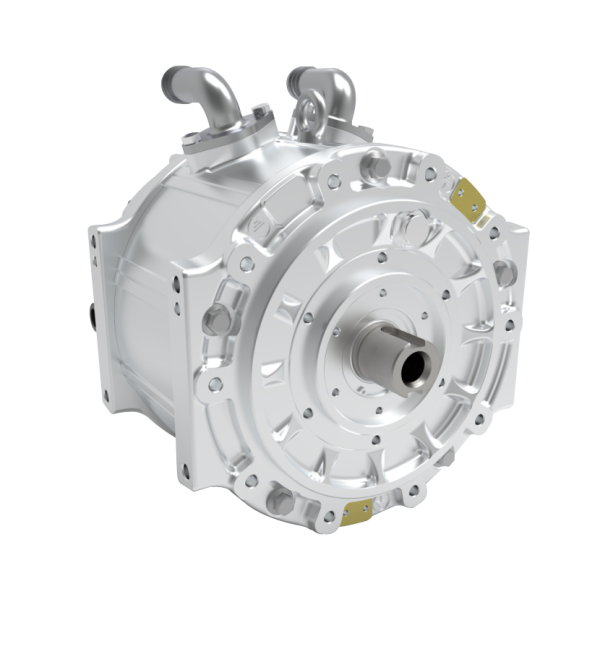
I keep coming back to the permanent magnet synchronous motor as the centerpiece of many system headaches. On paper these motors are tidy: high efficiency, compact torque, and fewer moving parts. In practice, the trouble starts where control and expectations meet. Poor commutation timing, inadequate inverter filtering, and overlooked torque ripple can turn a smart motor into a noisy liability. I’ve seen units spec’d with great torque constants but paired with cheap power converters — the result is predictably rough.
Technically, the gap is often in the control loop. If field-oriented control is not tuned to the motor’s exact parameters, you get hunting behavior and thermal stress — short-term gains disappear fast. I argue we chase performance curves while ignoring the operating context: load changes, ambient heat, and wiring losses. Look, it’s simpler than you think — match the motor and controller to the real use case and cut out fancy frills that add failure points. — funny how that works, right?
Looking forward: practical upgrades and realistic choices
What’s next for compact motor systems?
When I plan upgrades today, I focus on three practical directions. First, smarter but simpler control: adopt robust algorithms that tolerate parameter drift instead of razor-edge tuning. Second, component pairing: choose inverter hardware that matches the motor’s electrical profile, not the cheapest option. Third, system visibility: add basic sensing so you know when torque ripple or overcurrent is creeping in. These moves favor reliability over headline efficiency numbers. Also, integrating a modern brushless electric motor design often pays off because the electromagnetic layout reduces noise and improves thermal behavior without exotic electronics.

Case studies show that modest changes—better inverter filters, slightly different commutation tables, or a tuned current loop—cut real-world downtime dramatically. We tested a fleet where simple recalibration reduced service calls by almost half within weeks. The lesson? Don’t assume complexity equals superiority. If you want to evaluate options, use these three metrics: real load-matched torque, controller robustness under transient load, and thermal margin at rated duty. Those three tell you more than peak efficiency graphs. In closing, I still prefer designs that let technicians work fast and smart; fewer surprises, more uptime. You can learn more about practical motor choices at Santroll.
