

Setting the Scene: Lines That Refuse to Stand Still
You want a line that learns. Not one that just runs. PV module assembly moves fast, and it moves with tight margins. In many plants, teams look over to proven battery manufacturing equipment for cues on stability and flexible scale. Picture a day shift: orders swing by 15%, a rush for a new cell format lands at noon, and a stringer stalls on a misaligned busbar. Data says average OEE hovers under 80% for mixed SKUs, while changeovers still eat 30–45 minutes in legacy cells. The lamination queue grows; your MES shows gaps in traceability at sub-module steps (tiny but costly). So the question is simple: must we accept stop-start chaos, or can we use cross-industry controls to keep takt steady?
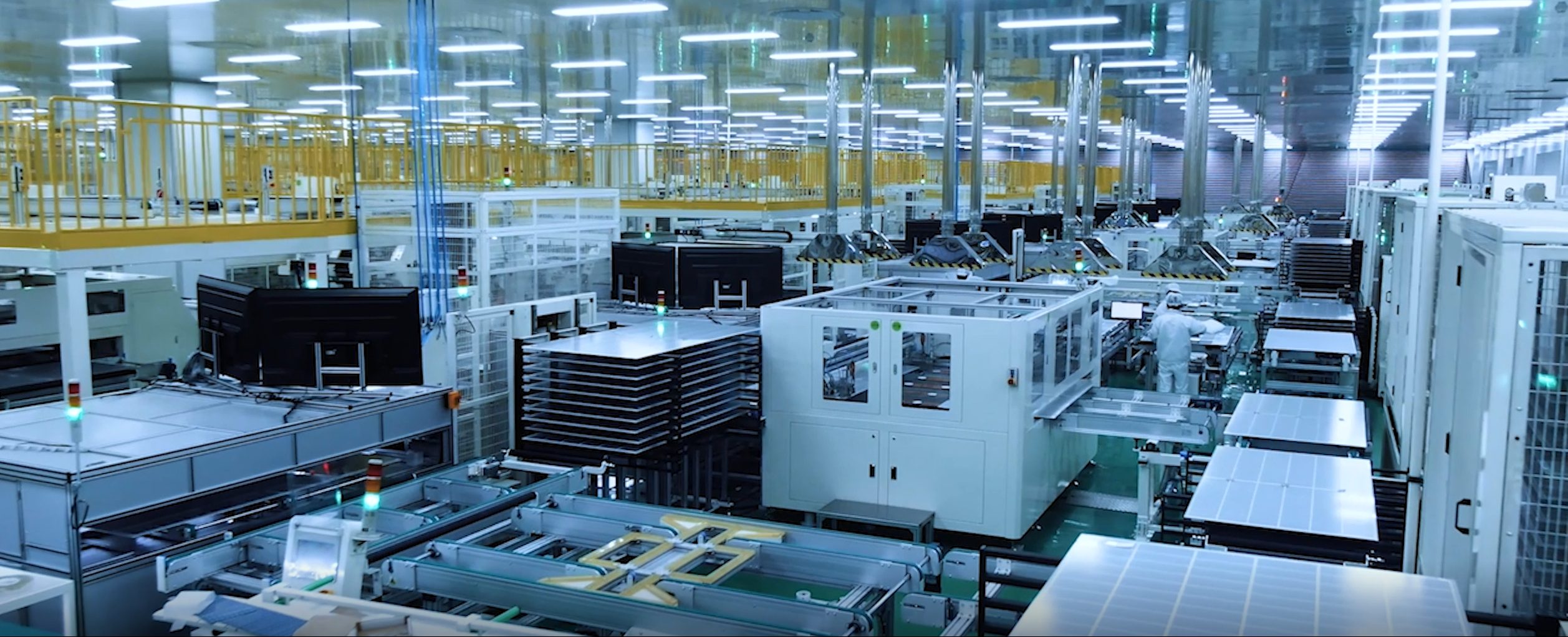
Direct answer—yes, you can. The trick is comparing how each station handles variation, not just how fast it runs. And how the flow reacts when one cell blinks red. We’ll map the blind spots first, then test what happens when modular design, closed-loop feedback, and smarter conveyors enter the floor. On y va—let’s move to the real friction points.
Under the Hood: The Flaws Most Teams Don’t See
Where do legacy lines break?
Technical truth: many PV module lines were built for one recipe. They hate change. Manual tweaks creep in at stringing and tabbing; rework loops form when EL checks sit too late; the lamination batch becomes the bottleneck. Without in-line metrology and closed-loop tuning, a small drift in busbar alignment multiplies defects downstream—funny how that works, right? The MES may log events, but it does not control them. No tight link between vision data and motion means the system reacts after the scrap is baked. Look, it’s simpler than you think: if the station cannot correct itself in milliseconds, the next station pays the price.
Traditional cells isolate trouble. They silo. A stringer jams; upstream buffers fill; downstream empties; your cycle time wobbles. Edge computing nodes are rare, so feedback runs slow and coarse. Power converters and drives work, yes, but without coordinated profiles for micro-stops and accelerations, you get shock to the glass and cells. Over time, that stress writes a bill. Meanwhile, traceability ends at the pallet, not the string. So you cannot pinpoint which recipe drifted under heat or which tool head wore out after 200k picks. The result is predictable: first-pass yield dips; technicians chase ghosts; weekends go long.
Comparative Insight: Principles That Make the Next Line Different
What’s Next
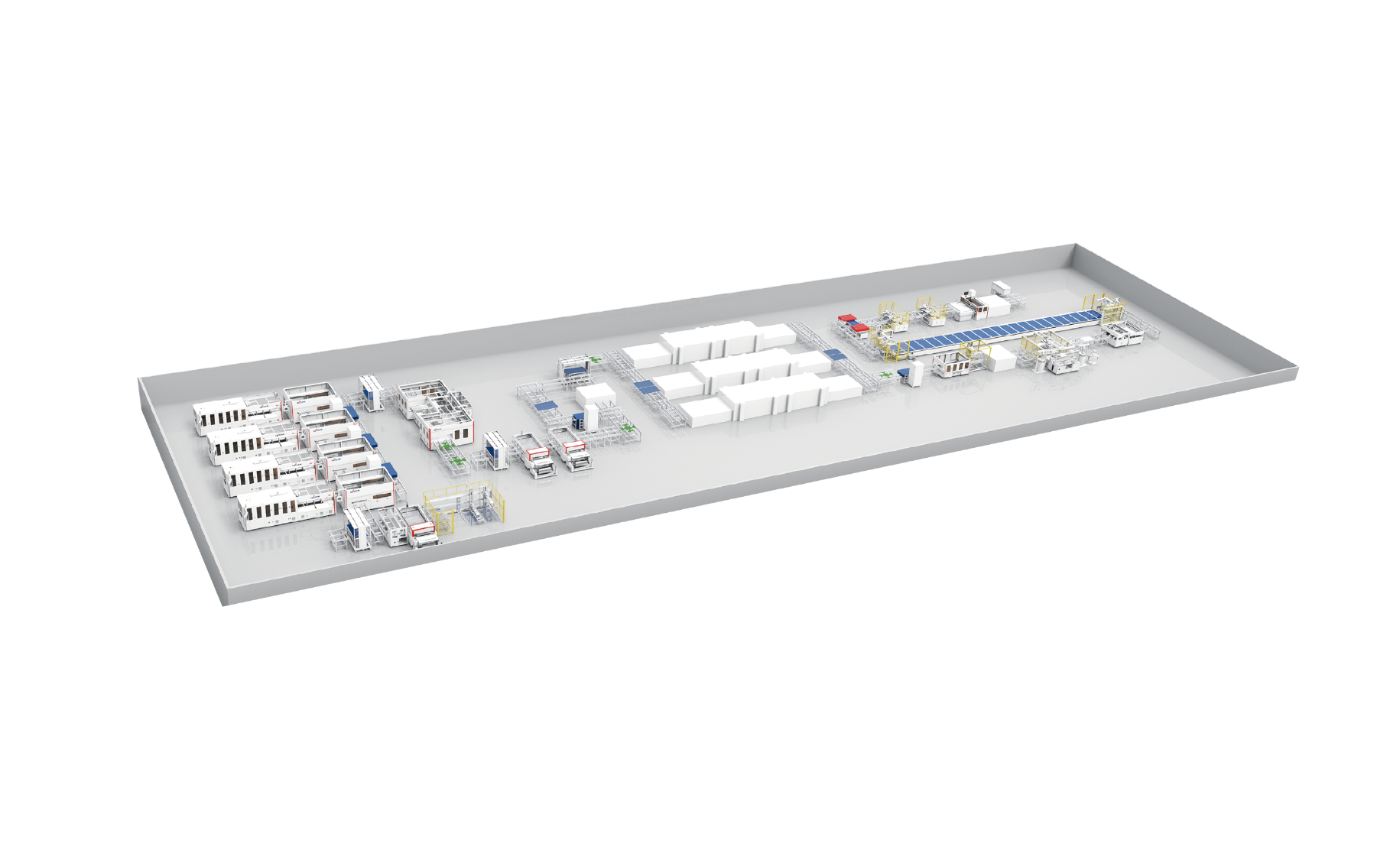
Let’s flip the view to principles, not parts. The most resilient PV module lines borrow from the way advanced battery manufacturing equipment handles variance. They use modular stations that plug and play, conveyors with decoupled zones, and digital twins that mirror live physics. Vision-guided stringers adjust busbar placement on the fly; servo pick-and-place reduces impact energy; in-line EL and IV test kick corrections up to the controller, not just into a report. Small loops close fast. Larger loops—through the MES—shape recipes and maintenance windows. And yes, edge computing nodes do the micro-math at the edge while the cloud learns patterns. Semi-formal note here: when the line can predict drift, the line does not drift.
Future-facing lines also treat energy and motion as one system. Drives, motion profiles, and power converters coordinate to smooth starts and stops, cutting micro-cracks at the cell level. In practice, that makes changeovers feel like switching tabs in a browser—two minutes, not forty. The lamination queue shrinks because upstream flow stays uniform, and rework no longer piles at the worst time. You see tighter CpK on cell gap, steadier tack temperature bands, and cleaner traceability down to the string ID. It sounds small. It isn’t—those small fixes add up to days of uptime each quarter.
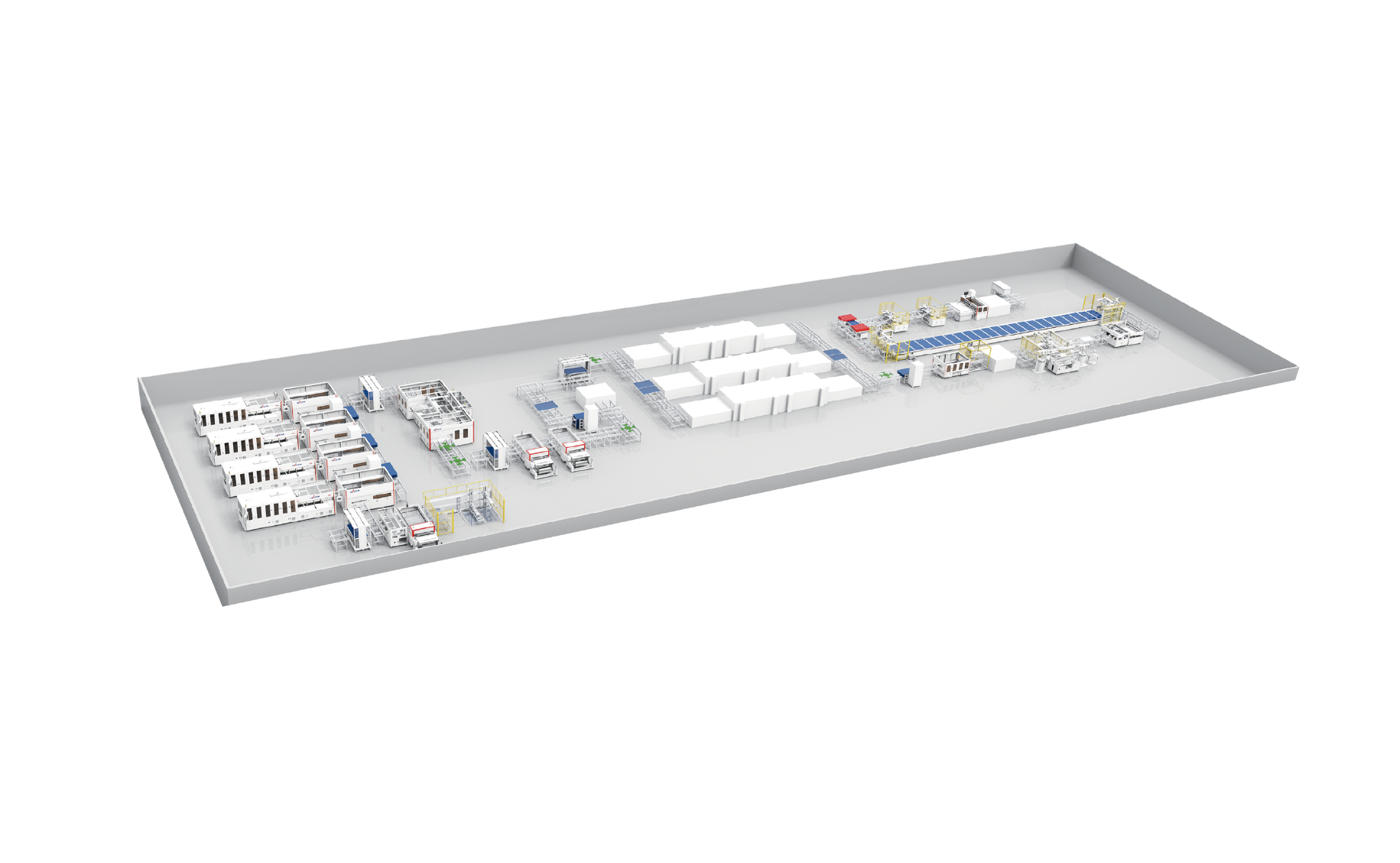
To choose well, keep three checks in your pocket: 1) cycle-time stability under SKU mix, not just peak speed; 2) first-pass yield with in-line metrology turned on, not off; 3) traceability depth to the sub-assembly, not only the module. If a solution cannot show these, keep looking. The right mix of modular design, closed-loop control, and predictive service will make the line feel calm, even on loud days. And that calm is what lets teams think, improve, and go home on time—nice, non? For a deeper look at integrated line principles and real deployments, see LEAD.
