

Understanding Medical Device Prototyping
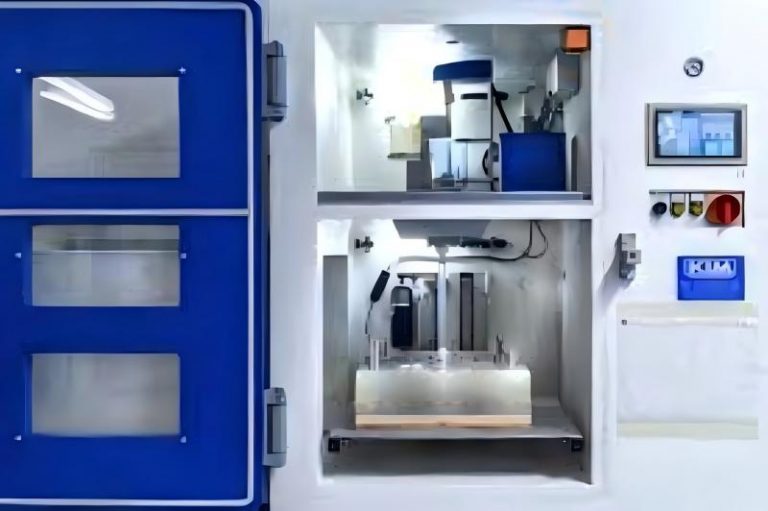
In today’s rapidly developing healthcare landscape, the role of medical device prototyping is paramount. This innovative process enables manufacturers to create functional models of their medical devices before full-scale production. By engaging in medical device prototyping, companies can not only optimise design but also ensure the device meets regulatory standards and user requirements. For instance, a team developing a new insulin pump might prototype multiple iterations, testing usability among patients to identify which design best fits their needs. The more feedback they gather, the more refined their final product becomes, ultimately leading to improved patient care and satisfaction.

Real-World Applications of Prototyping
The practical applications of a medical device prototype are a vital consideration for any healthcare provider. Successful prototyping translates to better patient outcomes by allowing tests in controlled scenarios. For example, consider a company that designs a wearable heart monitor. By creating a prototype, engineers can evaluate its comfort, battery life, and data accuracy in real-time, ensuring that it stands up to the rigours of daily use. Moreover, the speed at which issues can be detected and addressed during the prototyping process can significantly shorten the time to market, which is crucial in industries where timely interventions can save lives. Thus, prototyping serves as a bridge between innovation and practicality, ensuring devices not only meet clinical requirements but also enhance the quality of healthcare services.
Key Benefits of Prototyping in the Medical Field
When it comes to creating a medical device prototype, the benefits extend beyond mere aesthetics. Rapid iterations enable developers to gather invaluable data that informs both design decisions and technical functionality. For instance, by developing a prototype of an advanced surgical tool, developers can endure rigorous testing phases that simulate real-world conditions. This approach reveals potential flaws, leading to enhanced durability and user-friendliness before the device reaches surgeries. Furthermore, effective prototyping aligns with healthcare regulations, helping to ensure that every detail is compliant with industry standards, which is critical for gaining the necessary approvals for market introduction. Thus, investing in medical device prototype development pays dividends not just in a successful launch but also in fostering trust with healthcare professionals and patients alike.
Conclusion: Why Choose APT-Mold
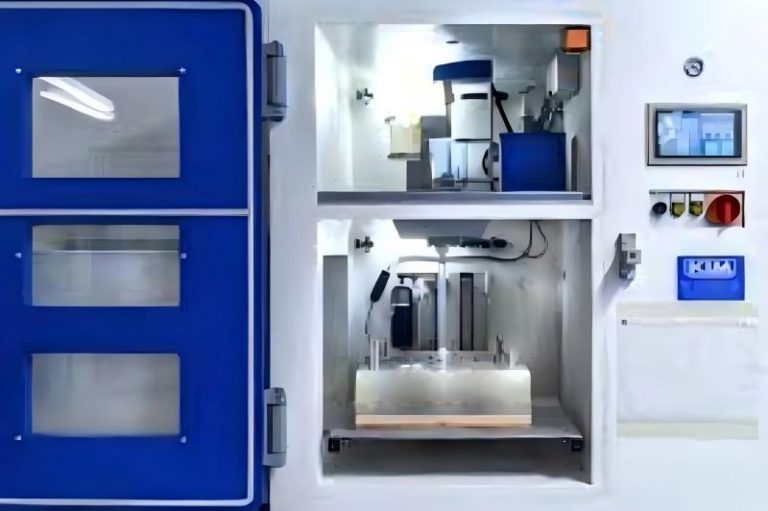
In summary, medical device prototyping serves as a crucial step in ensuring that innovative healthcare solutions meet the rigorous demands of patient care. By investing in the development of medical device prototypes, organisations can effectively address real-world challenges while adhering to essential regulatory standards. Manufacturers like APT-Mold stand out in this space, offering a wealth of expertise and supply advantages in the field of medical device prototyping. Their commitment to high-quality production and attention to detail means that clients can rest assured knowing they are partnered with a leader in the industry, ultimately enhancing product outcomes and patient experiences.
