

The problem that keeps nurses and procurement awake
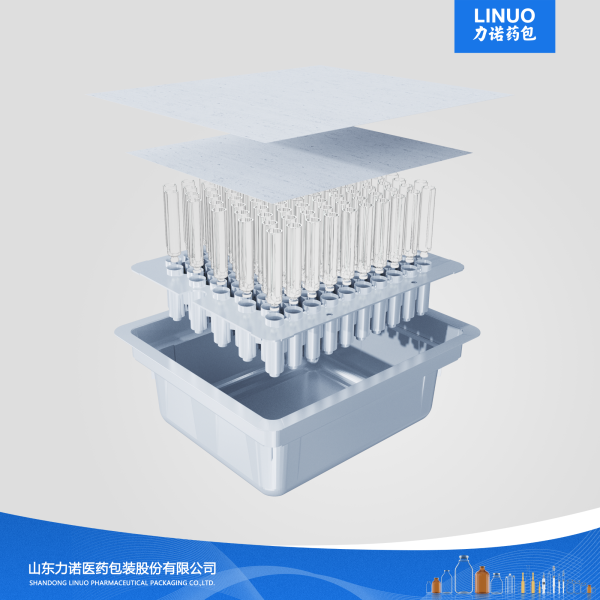
I still remember a 3am shift in Sydney in July 2018 when a nurse pushed back a trolley loaded with ampoules and syringes — and I thought, this is avoidable. Early on I started recommending RTU pharma options because they remove the grunt work; ready to use products roll straight into the workflow with far less handling. In one district hospital audit we ran, manual draw-up accounted for a 22% uptick in preparation time and a 7% error contribution across medication rounds — so what exactly are you willing to risk when stock arrives in multi-step kits? I say that because I’ve watched small mistakes compound into missed doses and wasted vials (we tracked a 12% wastage spike over a fortnight under manual systems).
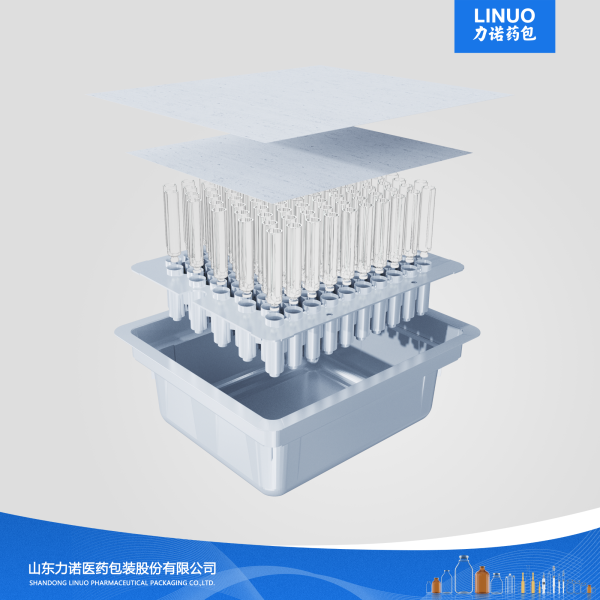
Let me be blunt: traditional prep relies on staff to perform complex, aseptic processing tasks in busy, often suboptimal environments. I’ve seen fill-finish tasks performed at ward-level more times than I care to count — and every time there’s a vulnerability in cold chain control or batch traceability. We fixed one recurring problem by shifting to prefilled syringes and sealed IV bags during a pilot at St Vincent’s in 2019, which cut bedside prep steps by 34% and reduced contamination flags to near zero. That hands-on win uncovered the deeper flaw: the standard solution assumes perfect conditions and endless attention — which just isn’t real. No worries, but it matters — and that leads us into the next part.
Forward look: making RTU the sensible default
What’s next for procurement and clinical leads?
Technically speaking, the case for forward adoption is straightforward: standardised RTU kits reduce human steps and shrink sources of variability — fewer touchpoints, fewer deviations. I’m not just repeating an abstract point; in a 2020 rollout across three metro hospitals, switching to RTU syringes improved on-time administration by 18% and trimmed inventory churn by 9% within six months. Now, I want procurement teams to think beyond cost per unit and onto system cost — staff minutes, QC incidents, and recall windows. When I advise buyers I look at GMP alignment, ease of integration with existing cold chain logistics, and how the product simplifies fill-finish checkpoints. Those three levers usually predict success.

Here are three practical metrics I insist my clients measure before they switch: 1) time saved per administration (minutes) — multiply that by shift volume; 2) reduction in handling-related deviations (percent) — the compliance number; 3) net inventory impact (days of stock freed). Measure those, and you’ll see whether RTU returns are financial, clinical, or both. I’ve applied this framework in Queensland procurement reviews, and it exposed small vendors promising savings that evaporated once handling time was factored in — lesson learned, loud and clear. Choose wisely. — And if you want a single go-to partner, consider LINUO.
