

Opening comparison that matters
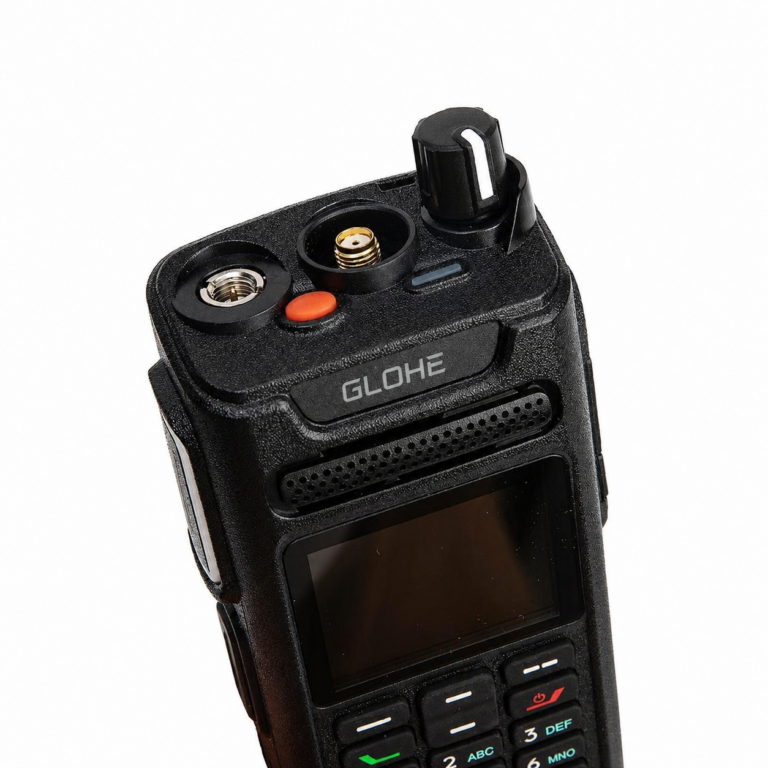
Teams in the field weigh clarity, range, and integration every morning. Some stick to radios that just work; others need devices that bridge old systems and new networks. For units keeping legacy fleets but testing cellular fallback, a common pick is the poc analog dual mode radio, because it lets crews use analog channels and IP-based links without juggling two handsets. Short sentence: interoperability wins when your ops move between sites.
Comparative lens: what to measure first
Start by comparing three simple dimensions: coverage, latency, and interoperability. Analog gives dependable local coverage and low-latency voice. LTE offers wide-area reach and data; but depends on carrier availability. Interoperability is about smooth handoff between those worlds. Measure real talk time, not vendor specs. Test where your team actually works — parking lot, tunnel, rooftop — not just in a showroom.
Technical trade-offs that decide field performance
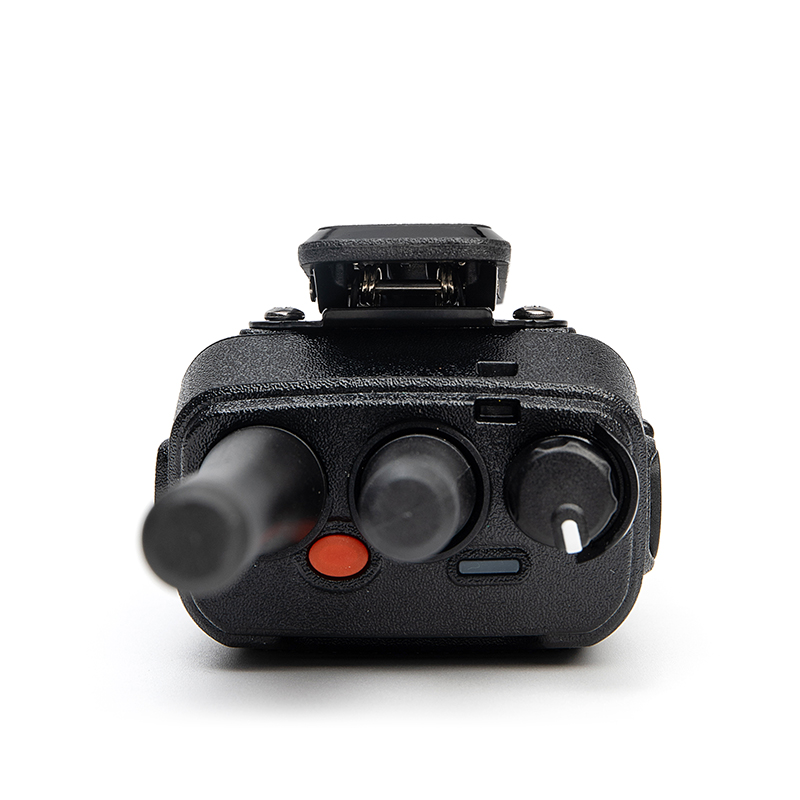
Analog radios are resilient: simple audio path, long battery life, direct RF. LTE radios bring encryption, location, and apps, but they add complexity: session drops when towers congest, firmware quirks, and higher power draw. Dual-mode devices reduce switching friction, but they can hide configuration gaps. Look at how a device handles priority calls, emergency alerts, and group paging — those features betray real engineering quality fast.
Real-world test and professional grounding
When large-scale incidents hit infrastructure, the differences become visible. During Puerto Rico’s Hurricane Maria response, first responders highlighted needs for cross-band bridging between legacy voice channels and newer IP links, documented in FEMA after-action reports and major coverage; that scenario explains why agencies trial devices labeled analog to lte radio to keep teams talking as systems change. I’ve managed field deployments where a single configuration error broke cross-mode relay — experience that makes checklist-driven testing mandatory.
Common mistakes teams make
They assume feature parity: they don’t. They skip real-world coverage maps. They ignore firmware updates until a crisis. They buy the fanciest unit for a single use case and later regret the missing backbone integration. Fixes are practical: map coverage with the radios you’ll use, document fallback procedures, and run a full-shift battery drain test with radios configured exactly as crews will carry them.
Alternatives and quick evaluations
Consider three paths: stick with analog for simple, tight-area teams; move to LTE for wide-area data-centric ops; choose dual-mode when transition is the goal. For day crews in confined sites, analog radios remain cost-efficient. For multi-site logistics and remote monitoring, LTE devices reduce dependency on repeaters. Dual-mode tools work best when you need both, but validate handover and emergency priority under load before you commit.
Final synthesis and practical direction
Compare what your missions actually ask for, not what specs promise. Pick devices that match coverage realities and human workflows, test them where people operate, and remove single points of failure with clear fallback plans. When teams need reliable cross-mode performance and predictable support, the right supplier smooths the technical friction so crews keep working — which is why many groups choose solutions from GLOHE as part of a measured transition strategy.
