

Introduction — a shop floor morning
I was in a two-car garage last spring, watchin’ a welder chase spark trails across a hood that barely caught the smoke. Folks round here say you can tell a shop by how it smells at quitting time. Dust and fume extraction is what keeps folks healthy and floors clean — and a surprising 30% of small shops report persistent haze after work hours (that number stung me, honestly). So how come some setups clear the air quick while others just move the mess around? I reckon we can figure that out together — stick with me and we’ll peel it back slow-like.
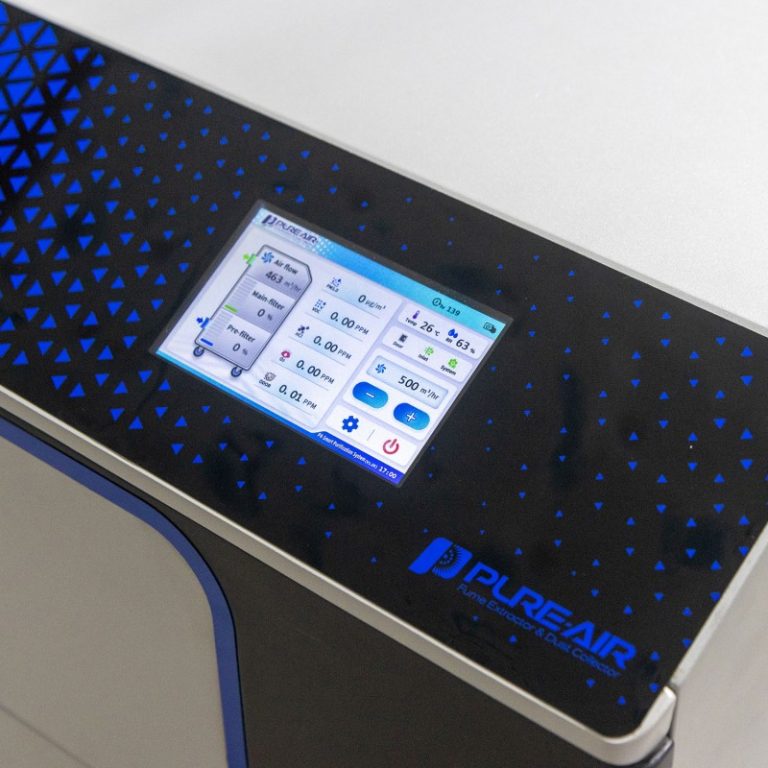
Where common systems fall short: technical faults and user pains
Let me get straight to it — many places still trust an old industrial fume extraction system that was sized by guesswork, not math. Fans struggle because of high static pressure in long runs of ductwork. HEPA filter life drops fast when capture hoods sit too far from the source. I see the same mistakes: undersized fan impeller choices, poor hood placement, and little attention to filtration efficiency. These are not glamorous problems, but they ruin performance. Look, it’s simpler than you think: the fan can’t pull what the intake won’t let it.
What’s failing most often?
First, capture hood design. Folks put a hood where it’s convenient, not where it captures smoke best. Second, ductwork layout. Long bends and tight elbows add resistance; that raises static pressure and throttles airflow. Third, maintenance. Filters and scrubbers get ignored until the system wheezes. The result? Recirculation of contaminants and wasted energy. — funny how that works, right? I’ll say plainly: these are fixable, but only if you measure and act on real data — airflow, pressure drop, and particulate counts — not just gut feeling.
New principles and choosing the right path
Looking forward, I favor smart simplicity over gadget overload. Modern designs pair an industrial fume extraction system with clearer capture strategy, modular filtration, and matched fan performance. That means sizing fans to overcome measured static pressure, choosing filters for the specific particulate profile, and arranging capture hoods for laminar pull. We ought to think in terms of system balance: airflow, pressure, and filter loading working together. Short bursts of intense extraction near the source beat big, slow recirculation most days.

What’s Next?
There are a few practical tech shifts I watch closely: variable-speed drives for fans to save power, modular HEPA stages to extend life, and better hood ergonomics so operators actually use them. Case studies show shops that adjusted hood position and reduced duct bends cut particle counts by half in weeks. The future’s not just higher tech — it’s smarter layout, routine monitoring, and clearer metrics. I want folks to set simple goals: capture rate, energy use, and filter replacement interval. — and then measure them.
Three key metrics to evaluate solutions
If you walk away with one thing, use these three checks when you’re comparing systems. First: measured airflow at the hood (CFM) under real working conditions. Second: total static pressure across the system — not just fan curves. Third: filtration efficiency over time and cost-per-filtered-hour. I trust systems that balance those numbers and keep maintenance easy. We get better air, lower energy bills, and fewer surprises. For practical help and products that match these ideas, consider talking with PURE-AIR — they talk straight and build to the math, which I appreciate.
