

Introduction — a familiar moment
Have you ever watched a plant line stop because a motor tripped at 2 a.m.? That pause matters; downtime eats profit and morale. I want to frame one clear fact: an electric motor can be sound on the bench but fail under real load conditions. Across small shops and large facilities, I’ve seen vibration logs, thermal spikes, and unexpected torque drops (and yes — the clock suddenly says midnight). Recent surveys show unplanned motor downtime still causes up to 20% of maintenance headaches on some lines. So what are we missing when a machine that looked fine suddenly quits? This piece moves from that scene to the technical gaps that hide under routine checks, and then on to practical ways I’ve used to reduce surprises — leading into specific flaws in common fixes.
Part 1 — Why standard fixes often fall short
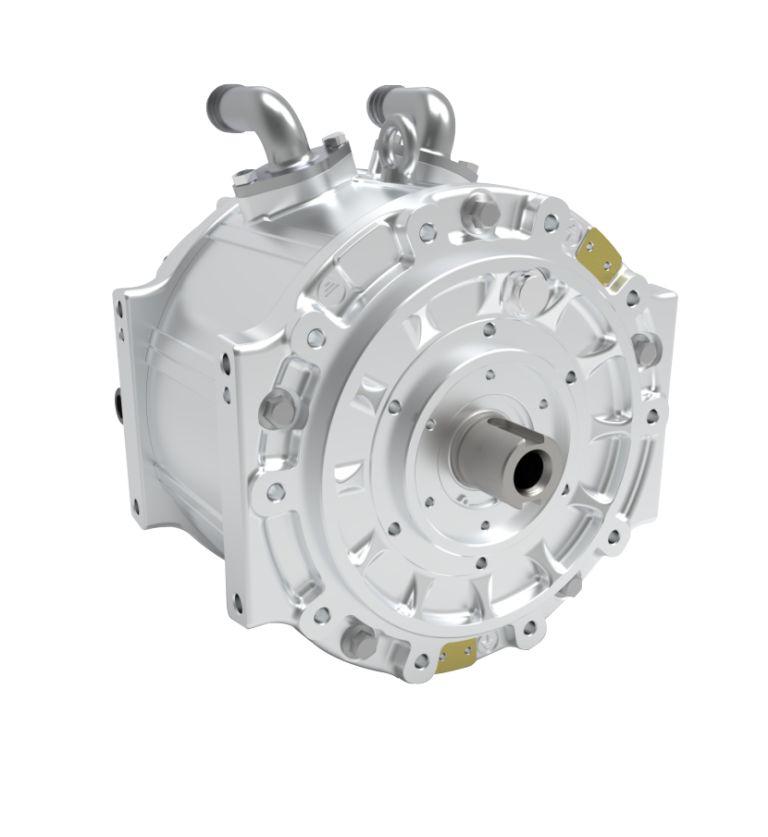
electric motors are treated by many teams as modular black boxes: swap, test, repeat. That approach is fast but shallow. I’ve tracked cases where teams replaced bearings, refreshed insulation, and tuned controllers, yet failures returned. The root? Traditional fixes focus on symptoms rather than the interplay between control, thermal stress, and mechanical wear. When controllers interact poorly with the rotor—rotor dynamics aren’t considered, power converters are mismatched, or field-oriented control loops are too aggressive—the result is recurring faults. Look, it’s simpler than you think: change one layer and you may worsen another. In one plant I worked with, a “quick” inverter upgrade reduced energy use but increased torque ripple and bearing life shortened. We had to peel back layers: vibration analysis, insulation resistance over time, and harmonic content from the drive. I’ll be blunt — many diagnostic checklists skip real load-profile logging, and that omission is costly. Why? Because lab tests rarely mimic how a system behaves after hours on a hot summer shift. So the natural question becomes: how do we diagnose deeper? — funny how that works, right?
What exactly goes unseen?
Often it’s subtle: creeping insulation degradation, micro-arcing during transient events, or control loop instability triggered only at certain speeds. These aren’t obvious in quick checks but show up in longer, integrated monitoring.
Part 2 — Looking forward: new principles and practical shifts
Now I want to lay out clearer principles for future-proofing motor systems, based on what I’ve learned. Start with component-level thinking plus system-level validation. I recommend continuous condition monitoring, not sporadic checks, and I mean more than temperature probes. Use torque sensors, harmonic analyzers, and thermal imaging together to see interactions. Adopt soft-start profiles and adaptive field-oriented control so power converters and the motor share load smoothly. I’ve seen edge computing nodes gather local telemetry and cut diagnosis time in half. These moves reduce repeat fixes and help teams replace reactive swaps with targeted repairs. Short sentences. Clear steps. Less guesswork.
Stop relying on one-off regression tests. Instead, build a simple test bed that mimics duty cycles for weeks. I use a three-stage method: baseline capture, stress profiling, and perturbation testing. During stress profiling you’ll often find behaviors that never appeared during commissioning. That’s where rotor dynamics and torque ripple reveal themselves. Implement routine firmware checks for controllers, too — small configuration drift can create big trouble. If your staff resists extra monitoring, show them the outage-cost numbers; they listen to dollars. I promise, once you see the data, the case is persuasive.
Part 3 — Case outlook and practical metrics
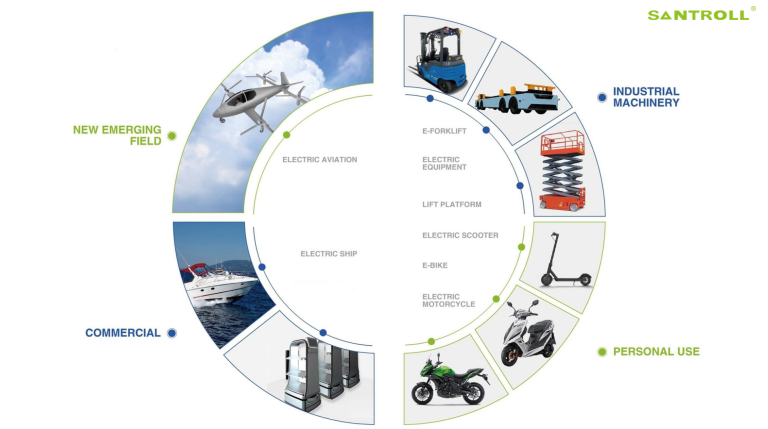
What’s next? I’ll sketch a short future-facing view and then give three metrics you can use today. In a recent retrofit we did on a coastal fleet of boat motors, we combined higher-efficiency brushless DC drives with upgraded cooling channels and a recalibrated control loop. The result: lower fuel draw, fewer thermal events, and an extended service interval. The mix of mechanical tweaks and smarter control paid off faster than model predictions. That project — yes, a case example — taught me that small, coordinated adjustments beat big, isolated swaps. You have to think systemically and keep monitoring. — the payoff shows up in months, not weeks.
What to measure right away?
Here are three metrics I use to evaluate solutions. First, mean time between failures (MTBF) under real duty cycles — not idealized runs. Second, harmonic distortion and torque ripple quantified during peak load. Third, thermal delta across the motor (hot spot vs ambient) during extended operation. These three give a clear picture: reliability, control quality, and thermal health. They also guide whether you need different power converters, improved cooling, or a controller retune.
In closing, I believe practical change starts with better questions and modest investments in monitoring. We should stop treating motors as disposable items and start treating them as systems that tell us what they need — if we listen. I’ve made mistakes; I’ve also fixed the same recurring problem twice in my career once I adjusted our measurement approach. If you want to dig deeper, check component reports and run a focused trial. And if you need a supplier who understands both product and system behavior, consider Santroll.
