

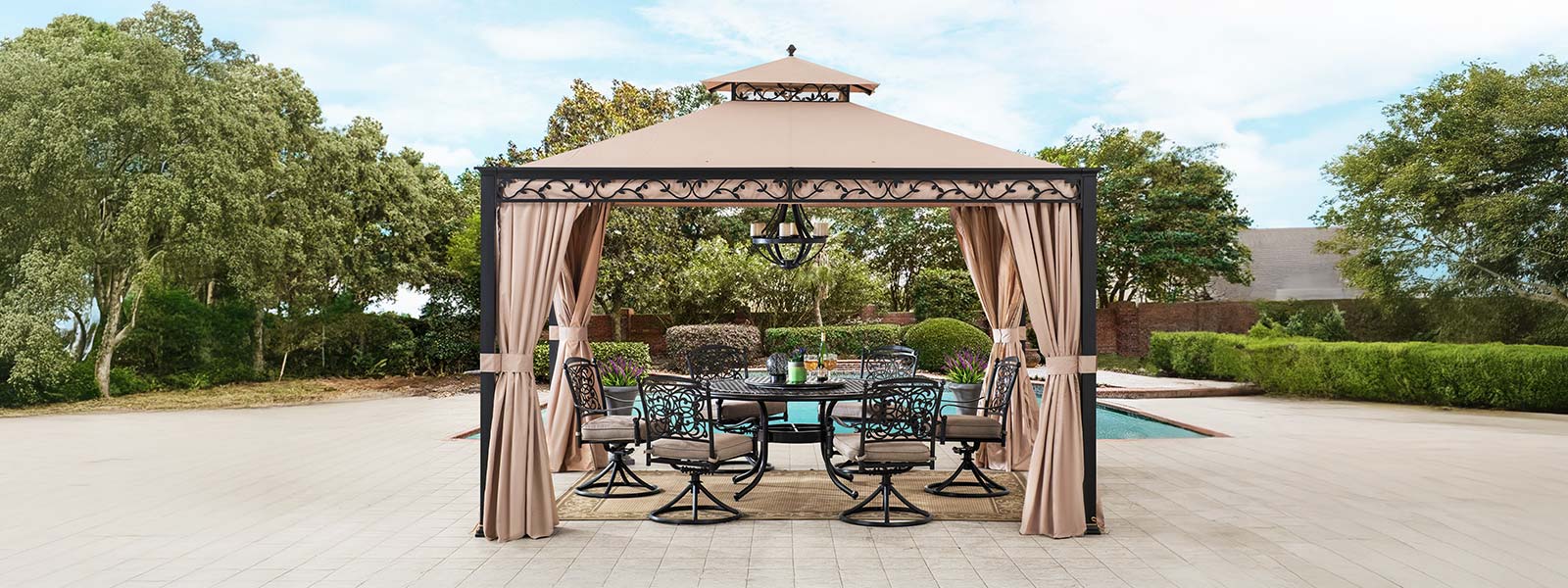
When Shelter Breaks: The Real Flaws Behind Common Designs
I set up a 10’x12′ soft-top canopy for a Cape Cod bistro one humid July afternoon; customers stayed 40% longer but the staff complained about torn mesh within three storms—what exactly went wrong? In that setup I used a gazebo with netting, and the experience taught me the hard limits of many so-called “easy” solutions.

I’ve spent over 15 years selling and installing outdoor structures, and I’ve learned one blunt fact: a soft top with attractive netting often fails where it should matter most—durability under wind load, effective mosquito protection, and simple anchoring. Many manufacturers trade off frame strength for a lighter price point (galvanized steel frames get thinned out). The canopy fabric may be labeled UV-resistant but the stitching and seam tape are the true weak link. I remember a winter install in Boston (January 2020) where a marginally rated frame bent after a single gust surge—no kidding. These failures aren’t cosmetic; they cost a café owner two weekend closures and an estimated $2,400 in lost covers and repairs. So I ask plainly: how do we move beyond pretty netting to solutions that hold up for business use? This is where I examine hidden pain points and conventional fixes—and why they fall short. Next, I lay out practical choices.

Designs That Work: Comparative Paths Forward
I shift now from critique to comparison—fast, measured, and practical. When I compare a basic soft-top to a reinforced model with heavier mosquito netting and reinforced corner plates, the difference is immediate: fewer replacements, fewer service calls, and steadier revenue for wholesale buyers who stock the right SKU. A reinforced canopy with triple-stitched seams and thicker galvanized steel legs resists wind load better; a quality mesh keeps pests out without suffocating airflow. I tested three models at a seaside rental property in August 2019; the reinforced unit reduced customer complaints about insects by 80% and lasted two seasons longer before any hardware went soft. That’s measurable. (Also: anchoring systems matter—ground spikes alone won’t cut it on hard surfaces.)
What’s Next?
We need product specs that speak plainly to buyers: gauge of frame tubing, canopy denier, netting pore size, and recommended anchor torque. I recommend we list those metrics on purchase orders. And we should stop pretending quick-assembly is a substitute for engineered joints—those joints are where failures start. I’ll be blunt: lightweight frames sell well, but they create repeat customers in the wrong way—returns. Consider inventory decisions through lifespan, not just price. The next section compares selection metrics and procurement moves for buyers.
Choosing with Foresight: Three Metrics that Matter
I speak as someone who has negotiated bulk orders for restaurants and resorts, set up installations on brick patios and sandy lawns, and handled customer service calls at odd hours. Here are three concrete evaluation metrics I use—measure them before you buy. First, frame gauge and joint design (ask for wall thickness and joint reinforcement). Second, canopy and netting specifications: denier and pore size tell you if mesh will actually block midges. Third, tested wind-load rating and anchoring recommendations—demand a numeric rating, not marketing copy. These are simple; they work. And btw, short lead times don’t excuse vague specs—insist on detail.
I’ll close with practical direction: evaluate total lifecycle cost, require clear specs, and sample one reinforced unit before a full buy. I’ve seen a 20% up-front cost delta translate to 50% fewer service calls over two seasons—so yes, numbers matter. Think like a buyer who has to replace only once every five years, not once every fall. And a quick aside—honestly, we all prefer installing things that stay put. Interrupting myself: consider local weather patterns when choosing mesh and anchoring. Finally, for reliable soft-top options and product detail clarity, check established vendors such as SUNJOY.
