

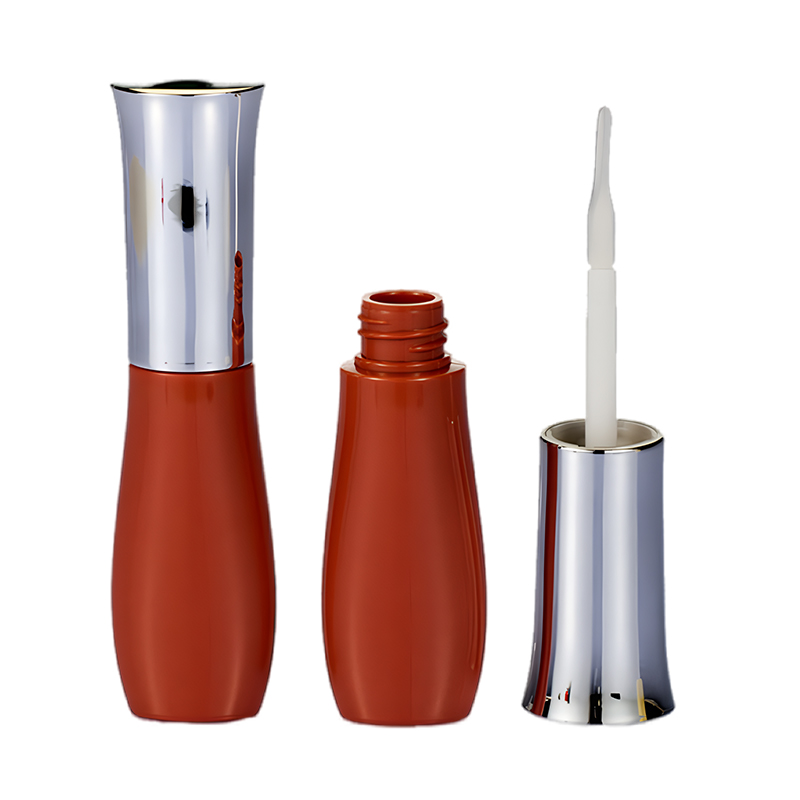
A Quick Scene: When the Tube Looks Right but Ships Wrong
Last Friday, a small indie brand pinged me at 10 p.m., panicked about a launch that felt “picture-perfect” until samples started leaking in transit. The clear lip gloss tube looked flawless on camera. But the caps loosened after a simple shake test, and the wipers scratched the applicator stems. If you’re sourcing a clear lip gloss tube china, you’ve probably seen a version of this—great mockups, messy reality.
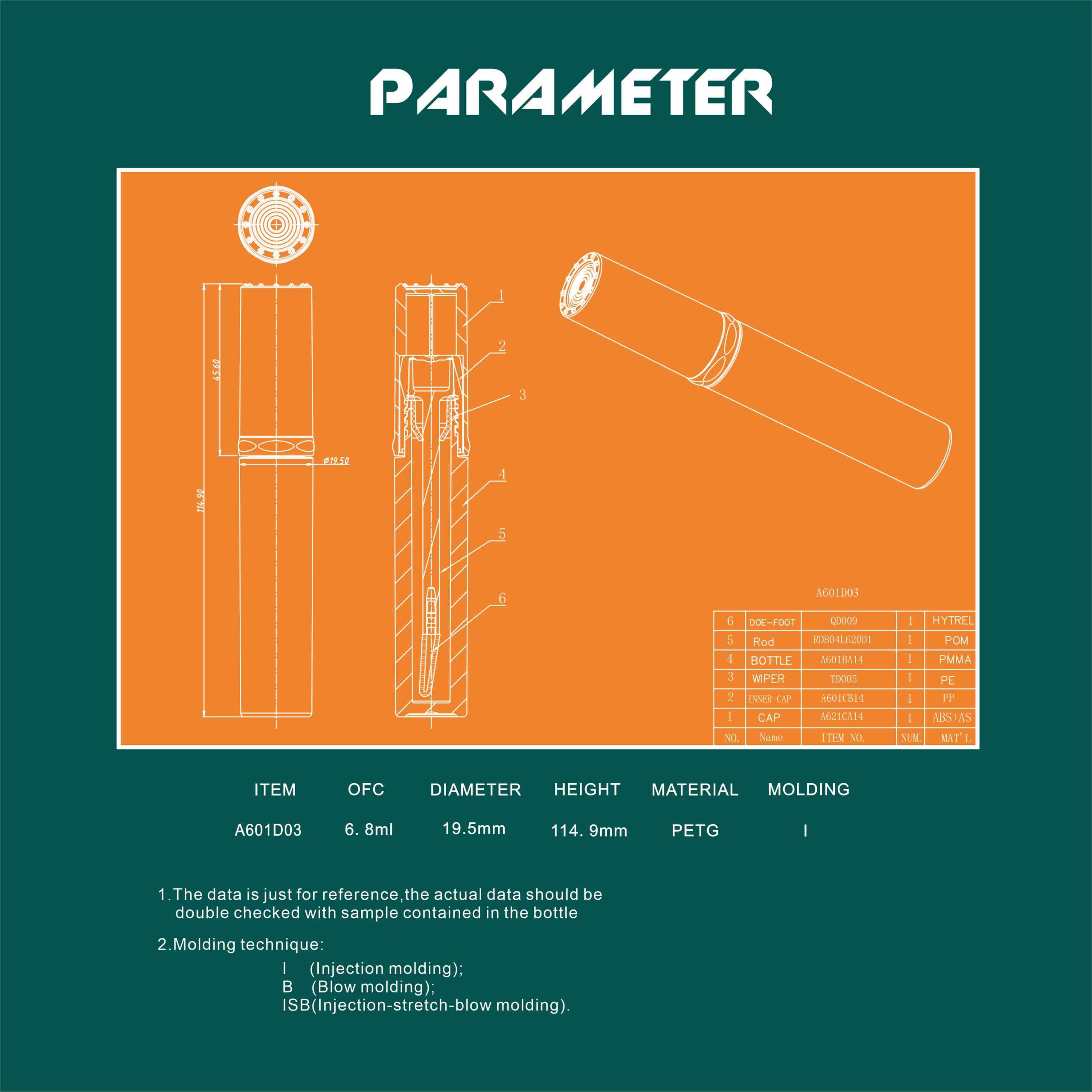
Here’s the thing: a 2–3% leak rate sounds tiny, yet on 10,000 units it’s 200–300 angry emails (and a hit to LTV). Many buyers don’t measure cap torque or wiper fit at all; they focus on color and MOQ, not the PETG barrel profile or the PP wiper’s interference fit. — funny how that works, right? The result is a slow bleed of returns, plus hidden costs in rework and freight. And the real kicker: most issues show up only after filling, when viscosity and headspace pressure change the whole system. So, were the tubes “bad,” or were the specs incomplete and the QC plan too soft? Let’s unpack what that means and how to read the signals that actually predict performance.
The Hidden Friction: Where Traditional Sourcing Falls Short
Let’s get technical for a minute. Traditional sourcing leans on pretty renders, a small sample, and a handshake on lead time. That ignores system-level fit: thread pitch tolerance, cap torque window, and wiper geometry against your actual formula. A stiffer gel demands a tighter wiper; a thin oil needs a different interference fit to control backflow and leak rate. If you don’t spec torque (N·cm), drop-test height, or stem flex, you’re gambling. Look, it’s simpler than you think: define a test plan that mirrors your reality—filling temp, storage temp, and shipping vibration—then lock the results into the PO.
Why does this keep happening?
Because the old playbook treats the tube as a part, not a system. A PETG barrel and a PP cap made by different tooling houses might pass separate checks, then fail together. Wiper lips can nick flocked applicators if shore hardness is off by a small tick. Without torque tests, vacuum chamber checks, and a basic SPC chart on the line, you won’t catch drift until it hits your warehouse. Many teams also skip viscosity mapping, so they never see how formula shear thins and sneaks past seals during air freight. Add in vague drawings and the absence of a cap-backoff test after thermal cycles, and you’ve got a leak—just waiting for a truck ride.
Comparative Signals and What’s Next
Forward-looking vendors are baking in measurement, not just marketing. We’re talking in-line torque sensors, vision systems for thread inspection, and simple QR traceability to tie each lot to tool cavity and wiper batch. That changes the game: you compare suppliers by process capability (Cpk), not by Photoshop. A quick case: one buyer shifted from visual checks to a spec that required 0.15–0.25 N·cm cap torque after 24-hour aging, a 1.2 m drop test at three angles, and a -10°C to 45°C thermal cycle. Leaks fell below 0.3%. Returns dropped. Shipping claims eased— and that’s the kicker.
Real-world Impact
As buyers weigh options like clear lip gloss tubes wholesale clear lip gloss tube from china, the best comparison isn’t price per piece; it’s the stability of that price when you add scrap, rework, and brand damage. Newer tooling with better venting cuts short shots. Anodized collars resist micro-scratches after bulk packing. Ultrasonic sealing on inserts reduces micro-leaks that appear only under cabin pressure changes. And yes, data helps: even a basic leak-rate tally across three pilot fills can flag a bad wiper-lip radius before you commit. Summing it up, what matters is fit-for-formula, not just fit-for-photos (California truth). To choose well, use three metrics that travel with you from sample to scale:
– Process: Ask for torque test results, drop-test protocol, and SPC logs for wiper dimensions.
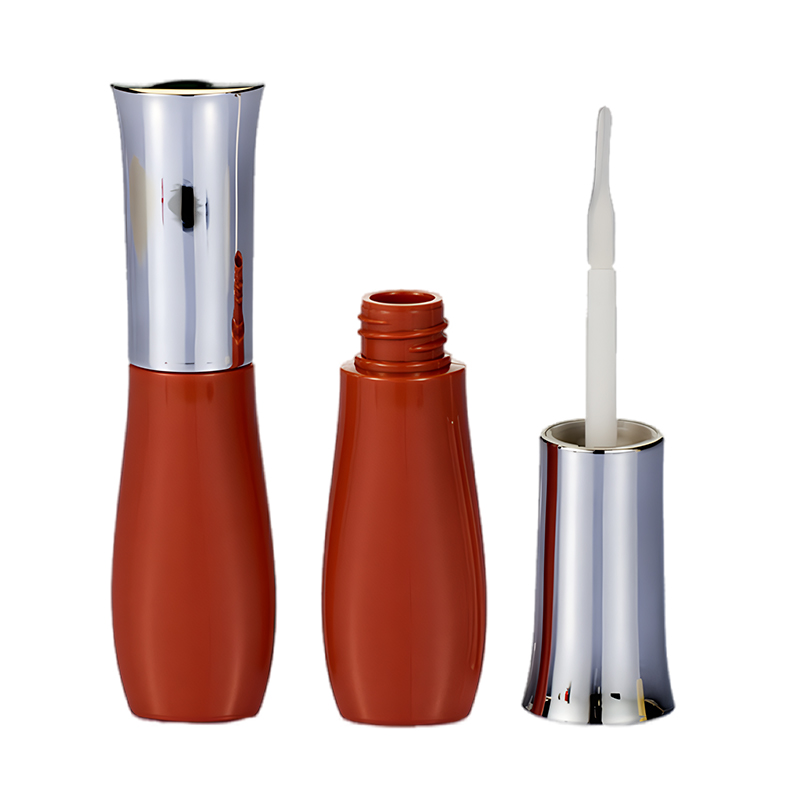
– Material: Confirm PETG grade, PP wiper hardness, and any UV coating or anti-scratch finish.
– System: Validate with your formula—viscosity range, fill temp, and a week-long backoff check.
Do that, and you’ll stop guessing and start comparing the right things. If you need a baseline template or just a sanity check, the engineers at NAVI Packaging can help translate specs into clean, repeatable tests without the fluff.
