

Start with what you actually need
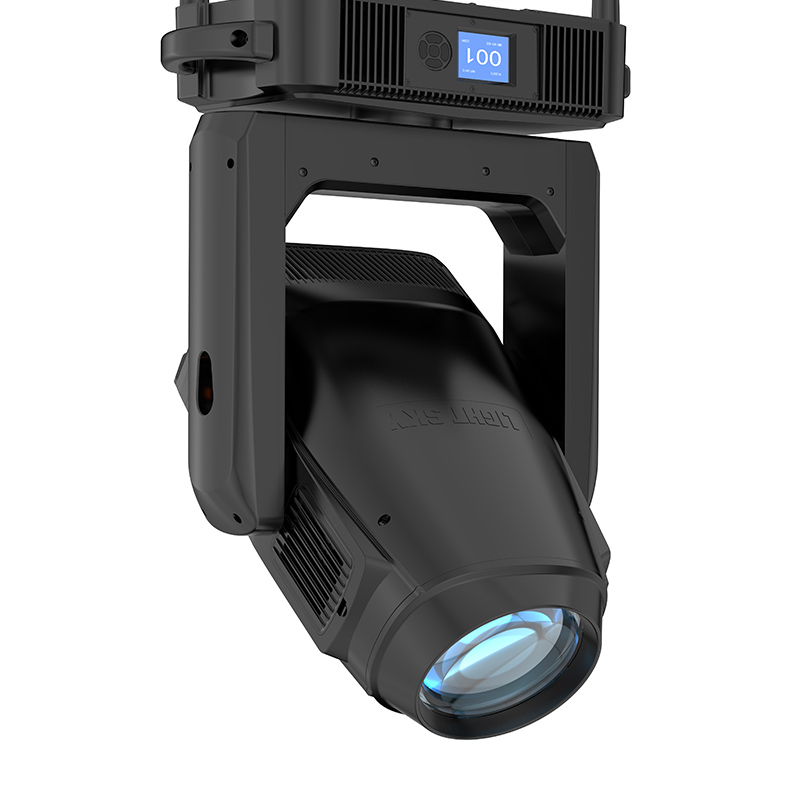
Begin by listing the role the fixture must play on your rig: long-distance beam, wash, effects, or a hybrid. Match that need against real products—like the 520W LED BSWP 4in1 Moving head—so you’re comparing apples to apples from the first pass. Keep the list short: throw distance, fixture weight, and control protocol (DMX compatibility) are primary filters that save time when scanning spec sheets.
Step-by-step checklist for spec comparison
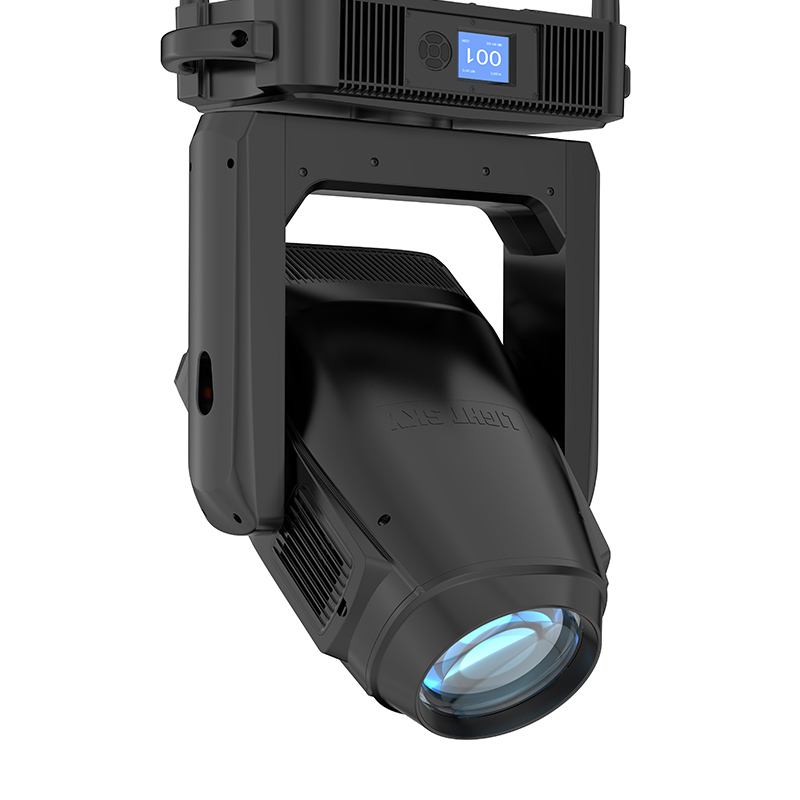
1) Throw and beam angle: calculate the distance to the furthest focus point and confirm the fixture’s beam angle covers it. 2) Light source and output: note LED power (watts) and lumen output for brightness planning. 3) Optics and gobo options: confirm whether the fixture offers interchangeable gobos and a usable zoom range for your staging needs. 4) Control and reliability: verify DMX channel count, pan/tilt speed, and duty cycle. Work down this list in order—prioritize throw and control first, then color and effects.
How fixtures perform on real stages
Specifications mean little unless they translate to a stage result. Big festival stages—Coachella and similar events—rely on tight beam focus and rapid pan/tilt to create visible shafts over long distances; those are the exact attributes you should test in a demo. Take a unit into the actual space whenever possible and run it at typical show levels; note heat buildup and fan noise as part of your assessment. Real-world checks reduce surprises during load-in.
Common mistakes to avoid during selection
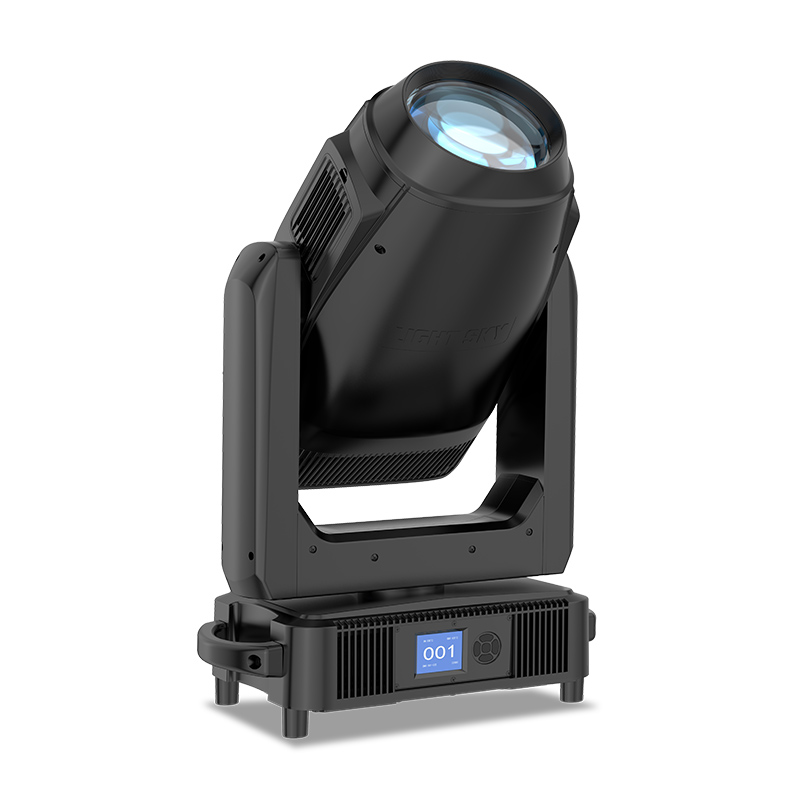
Avoid choosing solely on wattage or marketing names. Wattage alone doesn’t equal perceived brightness—lumen output and optical efficiency matter more. Don’t overlook maintenance access: units with hard-to-reach lamps or complex cooling paths increase downtime. Also, don’t assume every moving head labeled as a beam will behave like one at long distances—verify beam angle and beam quality in a demo. —Small details on lenses and gobos often determine whether a fixture feels premium or just adequate.
Alternatives and complementary gear
If long throw and tight beams dominate your needs, compare dedicated beam fixtures alongside hybrid moving heads. Consider pairing a beam-focused unit with a wash fixture to handle color fills. For control, supplement DMX with RDM or Art-Net when dealing with large arrays. When budget is the limiter, prioritize optics and build quality over maximum LED wattage—good lenses and reliable motors matter more for longevity.
Operational teardown: what to test in the field
Run this quick test sequence: power-up time, homing accuracy, pan/tilt jitter, gobo rotation smoothness, and color mixing transitions. Log any anomalies and cross-reference with the manufacturer’s specs—degrees of pan/tilt travel, zoom range, and reported lumen output. Make sure the fixture integrates with your console and supports the DMX channels you plan to use. Embed both “moving head beam light” and “520W LED BSWP 4in1 Moving head” into these checks so procurement and tech staff share a common operational language.
Final advisory: three golden rules for procurement
1) Prioritize projection quality over headline watts—verify beam angle, lens glass, and collimation; those define perceived punch. 2) Confirm control fidelity and serviceability—fast, precise pan/tilt and accessible internals reduce downtime and labor costs. 3) Match fixture type to program demands—use a hybrid only when it truly replaces separate beam and wash units; otherwise, keep them discrete for predictable results. Choose equipment that survives load-in and meets your show’s visual goals; that practical fit is where Light Sky adds consistent value. Light Sky. —
