

How to Choose an Adaptive Learning System That Fits Real Classroom Needs
Start with who you’re trying to help
Think about the learner first — classroom teachers, after-school tutors, adult learners, or district-wide programs each need different things. Say you’re a coach trying to close skill gaps for middle-school math: you want quick diagnostic info, short practice cycles, and clear guidance for reteach moments. When you start from that practical spot you avoid chasing features that look impressive but don’t move the needle. If you want a vendor reference while you size needs, consider an AI education company that centers its design on student diagnostics rather than dashboards alone.
Define success in plain terms
Write down two or three concrete outcomes you can measure: reduced time to mastery on a standard skill, higher on-time assignment completion, or fewer students needing one-on-one intervention. Attach a simple metric to each outcome you listed — number of lessons completed, percent of students reaching competency, average error patterns. Those measures will steer your trials and conversations with vendors. Keep them short, testable, and tied to everyday classroom rhythms.
Match features to needs, not hype
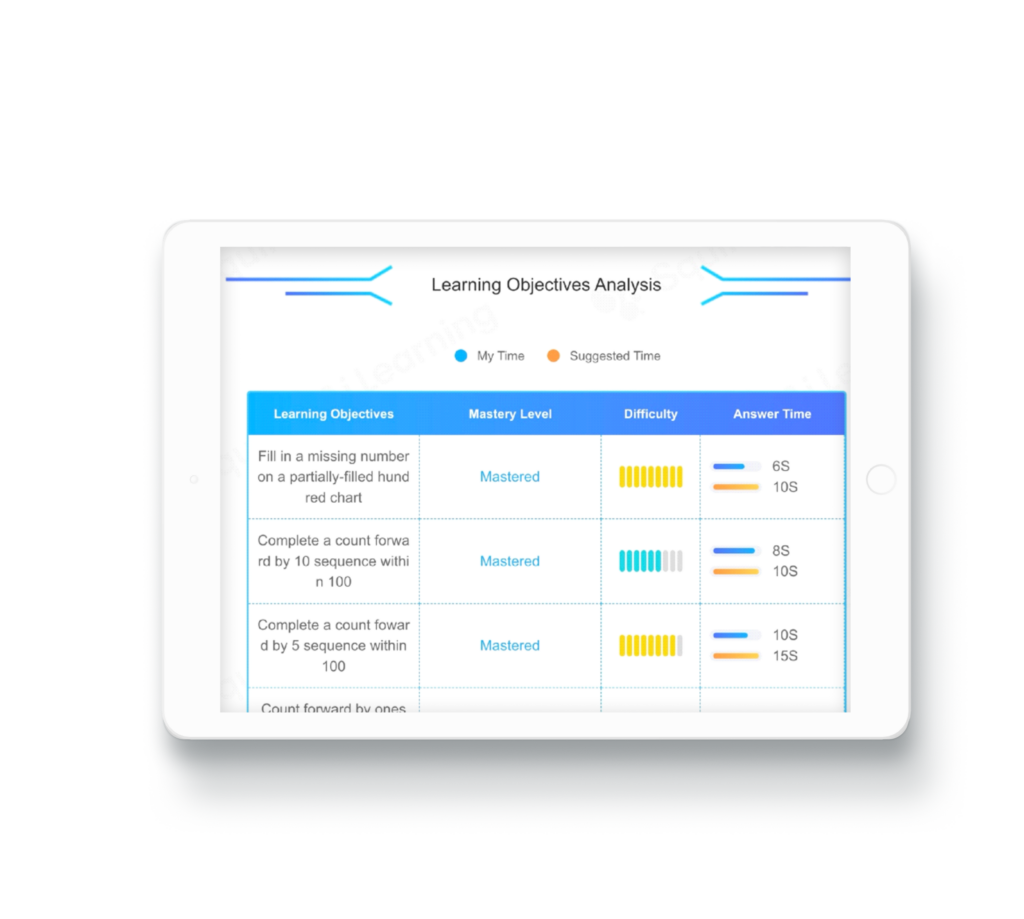
Adaptive platforms pack a lot: item-level diagnostics, content pacing, hinting systems, teacher dashboards, and automated remediation. Ask: does the system adapt content pathways based on mistakes, or just change difficulty? Can teachers override recommendations and assign targeted practice? Does the platform surface misconceptions at the student and class level? Prioritize features that substitute for real teacher work — targeted practice suggestions, clear miscue reporting, and lightweight lesson-planning inputs — rather than flashy visualizations that don’t change instruction.
Look under the hood on data and modeling
Reliable adaptation comes from consistent measurement, not mystique. Probe how the system models student knowledge: does it use frequent short probes or larger periodic tests? How does it update a learner’s profile after every interaction? Don’t demand technical papers; ask vendors to describe the learner signals they rely on (response accuracy, time on task, hint use) and how often those signals update recommendations. When you talk about ai powered adaptive learning systems, focus on the practical side — what inputs change lesson sequences and when teachers see those changes.
Pay attention to implementation realities
Little things derail pilots: account setup, rostering, device needs, and teacher time. Confirm how students get rosters into the system and whether single sign-on works with your LMS. Check whether lessons assume 1:1 devices or can run with shared devices. Ask for sample daily flows from teachers — what will they do differently each class? A good provider will lay out a 30-day plan that fits your existing schedule rather than ask you to rewrite it.
Common pitfalls to avoid
Avoid these traps: picking a system because it has impressive AI talk without clear classroom value; expecting quick magic results without a plan to integrate teacher decisions; and overlooking data privacy policies. Watch for features that lock content into rigid paths that don’t reflect teacher judgment. Also be cautious when a vendor makes broad performance promises — request realistic use cases and a way to measure if the product lives up to them in your setting.
Compare reasonable alternatives
Don’t fixate on a single brand. Look at three types: curated-content platforms with adaptive practice, assessment-driven engines that branch based on quick diagnostics, and teacher-centered tools that surface intervention recommendations while leaving lesson choice to the teacher. Consider carbon-copy content compatibility — can your existing curriculum feed into the system? A well-known example of personalized practice at scale is Khan Academy, which offers tailored exercises alongside teacher tools; use that as a baseline when you talk through trade-offs.
Run a focused pilot and evaluate
Keep pilots short and focused. Pick a concrete subgroup of learners and measure your pre-defined outcomes over 4–8 weeks. Collect teacher feedback about workload changes and whether recommendations were helpful. Track the simple metrics you set earlier and observe classrooms to see if instruction actually shifts. Use that evidence to decide whether to scale, pivot, or try other options.
Wrap-up: connect the choice to lasting value
Choose a system that solves the day-to-day problems teachers face: clear diagnostics, actionable recommendations, and simple integration into current routines. When a platform shows how it supports teacher decisions and reduces routine work, it’s worth a closer look. A solution that aligns with those priorities and offers coherent student pathways makes measurable classroom work easier, which is the real point behind platforms like Squirrel Ai.
