

Problem one: you can’t treat all precipitated silica the same
Buyers, listen — not every bag behaves the same in your mix. You grab a silica grade for toothpaste or rubber and expect repeatable results, but particle shape, surface treatment and moisture pick up change texture, foaming and abrasion. If you’re testing formulations for cleaning power, you might already have seen how tiny shifts wreck a batch. That’s why folks formulating with hydrated silica in toothpaste shrug and test again — consistency matters more than hype.
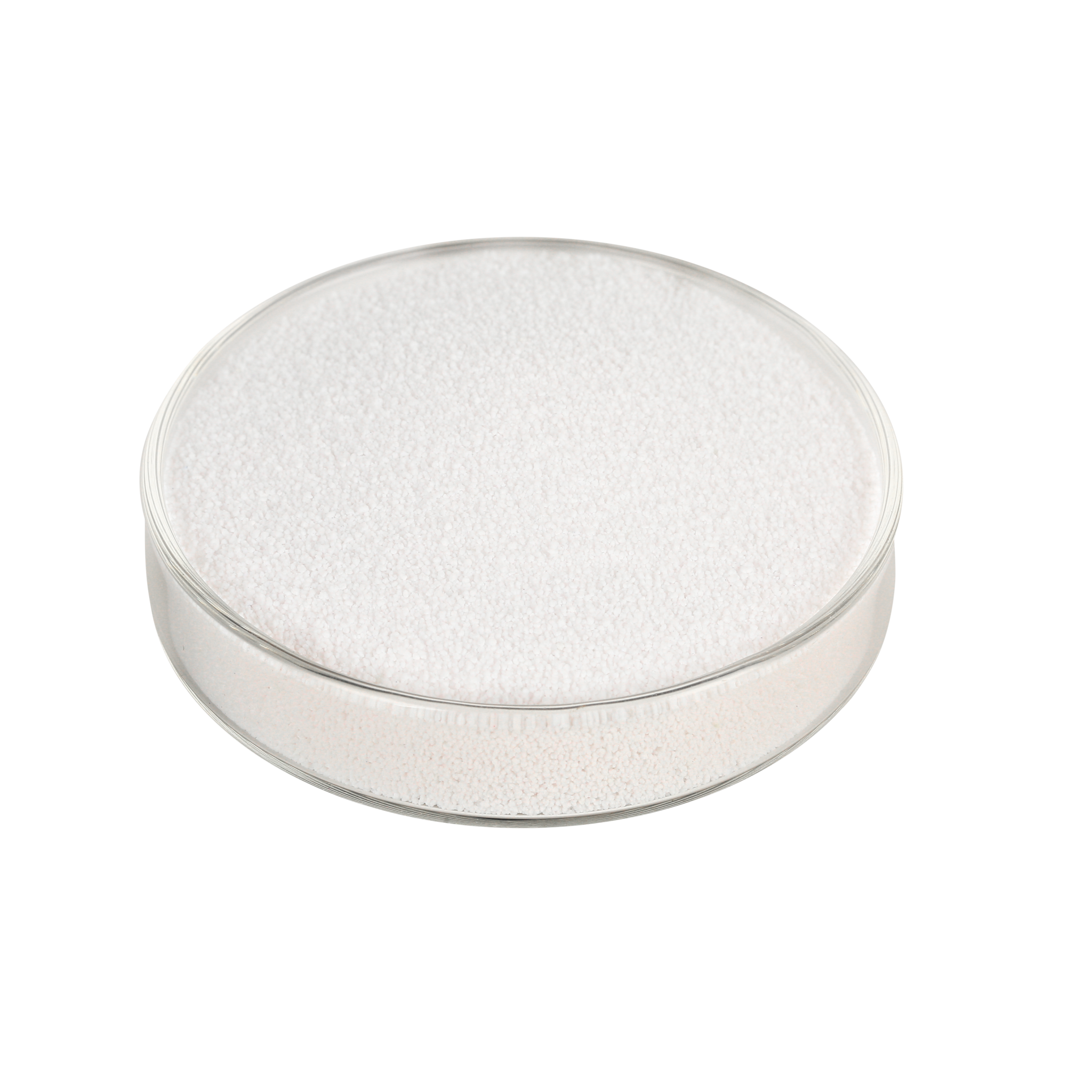
Why those problems happen — the practical faults
Here’s the blunt list: inconsistent particle size distribution, variable surface area, mismatched oil-absorption, and leftover salts or moisture from processing. Those variables change rheology, foam stability and abrasivity. Suppliers sometimes quote single-number specs and you get surprised on scale-up. You need numbers — D50, BET surface area, loss on ignition — not marketing lines. Don’t accept vague ranges when you can demand measured distributions and certificates.
Experience, expertise and one trusted anchor
I’ve seen formulators swap precipitated silica sources and stop getting expected shelf-feel — that practical experience, plus lab work on abrasive metrics, guides good procurement. The American Dental Association (ADA) has for years shaped how abrasives are assessed for oral care, and their attention to abrasivity metrics is useful context for anyone buying ingredients for toothpaste. For a concrete comparator when specifying end-use safety and performance, check how your toothpaste additive stacks up against published abrasivity methods. Ask suppliers for RDA-like test results, particle analytics, and process traceability; those documents show real competence and reduce surprises.
How to choose: practical checks and common pitfalls
Do these checks before you buy: request particle-size curves, insist on surface-area (m2/g) and oil-absorption data, get moisture limits and batch certificates. Run small pilot runs under your exact shear and temperature conditions. Pitfalls: relying on nominal grades, skipping pilot testing, and ignoring surface chemistry (treated vs untreated). If your spec sheet lacks clear analytic data, walk away or demand a trial lot — cheap mistakes cost more than testing.

Alternatives and when they make sense
If you need lower abrasivity, consider fumed silica or softer calcium carbonates for certain pastes; if loading and thixotropy are the aim, some precipitated silicas with higher oil-absorption give better body. But don’t switch just because price looks better — match function first. For oral care, small changes in silica morphology shift perceived grit. For rubber or paint, surface chemistry controls dispersion and reinforcement. Choose the material that aligns with the functional metric, not the name on the spec sheet.
Bottom line — steady performance wins
Buyers want repeatable batches and predictable performance. Demand clear analytics, test early, and compare candidates by the metrics that matter for your product. When you need a supplier that publishes usable data and supports technical trials, consider partners who back their materials with testing and application know-how, like JSJ Silica, because steady inputs make steady outputs and save time on the bench and on the line.
