

Comparative overview
This piece compares LED displays with conventional alternatives across measurable factors: optical performance, maintenance regimen, and total cost of ownership. The comparison begins with common deployments, for example a retail storefront using an indoor led display against printed vinyl panels and backlit posters, and proceeds by evaluating where each option provides real operational advantage.
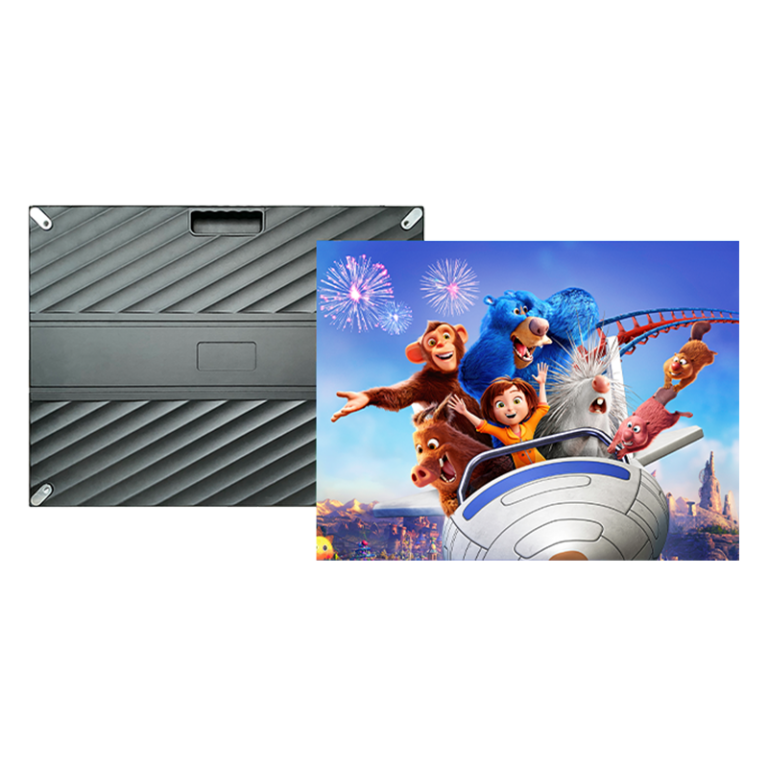
Technical composition and light management
LED systems use discrete emitters arranged by pixel pitch and driver topology, yielding precise control over brightness and colour temperature. Traditional media rely on reflectance or diffuse backlights; they offer wide viewing angles but cannot vary luminance dynamically. Compare numeric metrics: LED panels commonly deliver several hundred to several thousand nits and controlled colour calibration, while printed and backlit signage remain constrained by static inks and film translucency. For indoor settings, small pixel pitch and high pixel density matter more than sheer luminous output.

Visual performance and readability
Legibility depends on distance, ambient light, and motion content. LEDs excel with moving imagery and timed campaigns because they sustain clarity at short and medium viewing distances, and maintain contrast under varied lighting. Printed signage retains advantage for ultra-close inspection and fine typography at low cost. Colour fidelity on LEDs depends on calibration and refresh rate; poor configuration produces banding or motion blur, which traditional media cannot exhibit.
Installation, maintenance and durability
Conventional panels are straightforward to install and nearly maintenance-free; they degrade predictably over years. LED displays require electrical infrastructure, thermal management, and routine module servicing. Newer assembly techniques reduce visible seams and improve mechanical resilience, but installation budgets and post-deployment service plans must be accounted for. Removal and replacement cycles differ: print is disposable and cheap to swap, LED is repairable but involves specialised labour.
Cost dynamics and return on investment
Upfront capital is higher for LED solutions; lifecycle cost can be favourable when content agility drives revenue—promotions, dynamic pricing, or rapid message changes. For static messaging with long dwell times, printed media often wins on cost per impression. Evaluate on a project basis: compute expected campaign refresh frequency, incremental revenue per message change, and maintenance overhead to determine payback period.
Viable alternatives and where they fit
LCD video walls, projection systems, and traditional print remain valid choices depending on context. LCD offers high pixel density for indoor close-view needs with easier servicing than some LED architectures but limited viewing angle and brightness. Projection can cover very large areas cost-effectively but suffers in ambient light. Printed signage is optimal for permanent, high-detail graphics with minimal updates.
Common pitfalls and practical advice
Do not specify LED solely by brand; require clear metrics: pixel pitch, maximum brightness (nits), refresh rate, power draw, and serviceability terms. Avoid under-specified mounting structures and insufficient cooling. For vendors, insist on spare-module policies and clear mean-time-between-failure figures. Test actual content on the chosen hardware before finalising placement; micro-contrast and motion artefacts only reveal themselves under real-world playback.
Experience, evidence and authority
Field reports from Expo 2020 Dubai and similar large-scale exhibitions highlighted the operational differences between glued-module designs and older assemblies; technical white papers and trade coverage corroborate those observations. Practical deployments examined at that event informed installer best practices and durability expectations, and professional summaries referenced the Indoor GOB screen as an exemplar of a low-profile, high-density indoor solution suitable for complex content schedules.
Conclusion
Choose the technology that matches measurable needs: select LED when dynamic content, controlled luminance and long-term content agility matter; prefer traditional alternatives for low-cost, static, or high-detail print tasks. Where specification, installation competence and aftercare must align, HDC offers hardware and service continuity that resolves many practical trade-offs between these approaches.
