

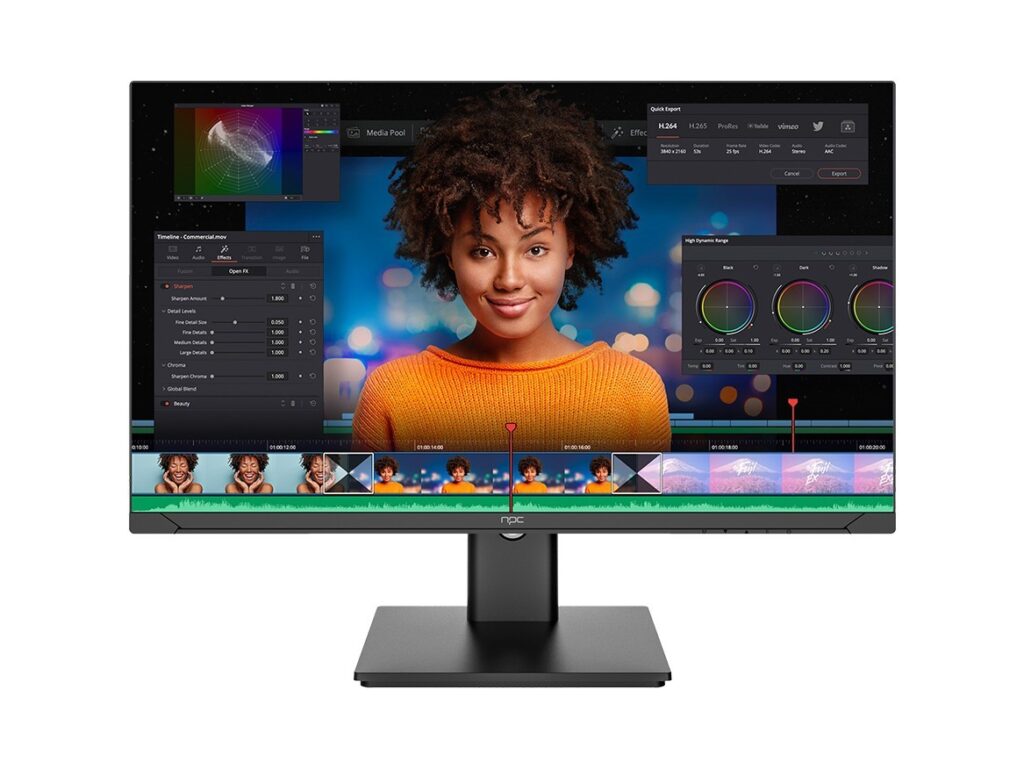
Begin with what actually matters to you
Start by naming the things you use most: streaming apps, gaming, local media playback, or tying the set into a smart home setup. If you prefer a simple remote and fast channel switching, that steers you differently than someone who wants deep Google Assistant or Alexa integration. While browsing models at a trusted tv manufacturer, note which OS feels intuitive to you—if the menus slow you down, everything else matters less.
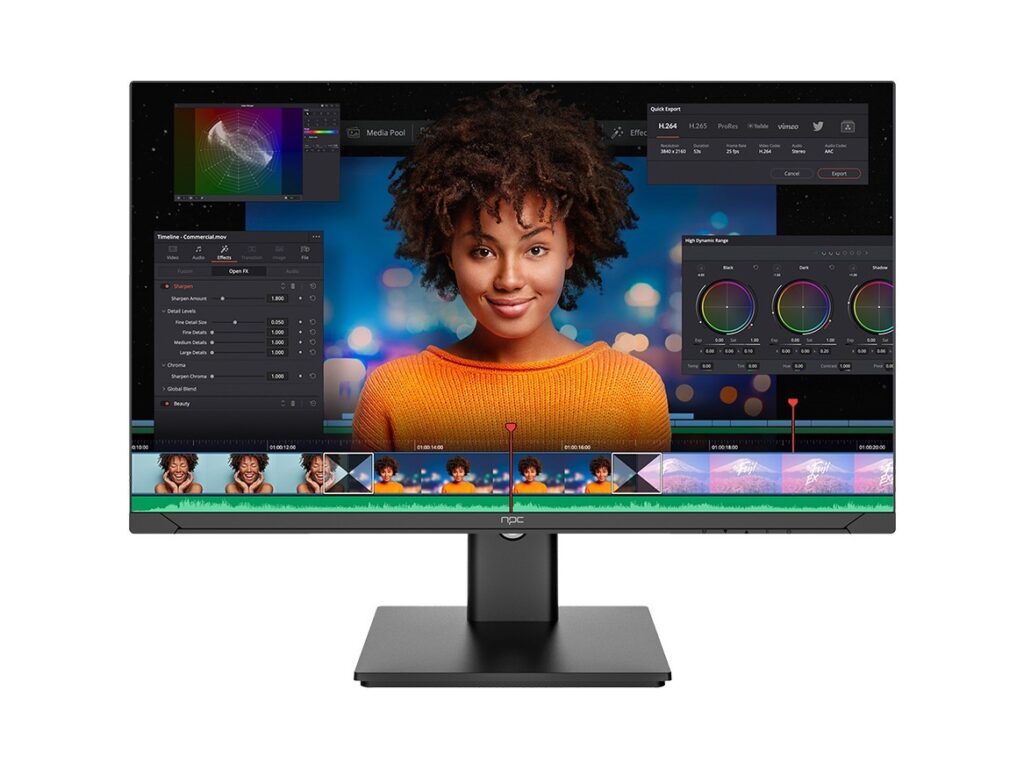
Match ecosystems and app availability to your habits
Every OS emphasizes different strengths. Android TV / Google TV gives broad app coverage and strong search; Roku aims for simplicity and stability; Samsung’s Tizen shines with polished menus and hardware tuning; LG’s webOS is gesture-friendly and clean; Fire TV ties tightly to Amazon services. Pick the one that already hosts the apps and services you use daily. Don’t chase features you’ll never open: prioritize the exact streaming apps, gaming services, or casting methods you rely on.
Check performance, codecs, and future updates
OS experience depends on hardware. Look for a responsive UI, support for HDR formats you care about (Dolby Vision, HDR10+), and codec support for HEVC or AV1 if you stream 4K. Ask about firmware update cadence—some brands push monthly security fixes, others wait. Buying a flashy set with a weak processor means sluggish menus and slower app updates. Aim for a balance: mid-range SoC with a platform known for timely updates beats raw specs with poor software maintenance.
Field testing and industry context
I’ve tested dozens of TVs across brands at CES in Las Vegas and followed manufacturer update logs; those hands-on checks show how an OS behaves after months of real use. When evaluating suppliers, it helps to look beyond retail photos and inspect real units or even bulk channels—some buyers turn to wholesale televisions to compare firmware versions and update policies across batches. That practical testing separates polished demos from how the set performs in a living room over time.
Common mistakes people make
Don’t assume the remote equals the OS. A nice remote can hide a sluggish interface. Avoid choosing solely on brand loyalty or price; cheap sets often lag on updates and app support. Don’t overlook regional app availability—an OS may look identical but ship different storefronts by country. Finally, ignore lengthy spec sheets that don’t explain real UI speed or update windows; specs alone won’t predict daily use.

Decide by matching habits to strengths
Pick the OS that reduces friction for what you do: reliable apps for streaming, quick navigation for live TV, or deep voice and smart-home hooks for automation. If you value long-term security and steady improvements, favor platforms with transparent update policies and a track record you’ve seen in person. When a match is clear, the purchase becomes simple—and for consistent sourcing or comparing dozens of models side-by-side, consider working with suppliers who handle volume thoughtfully like npc.
