

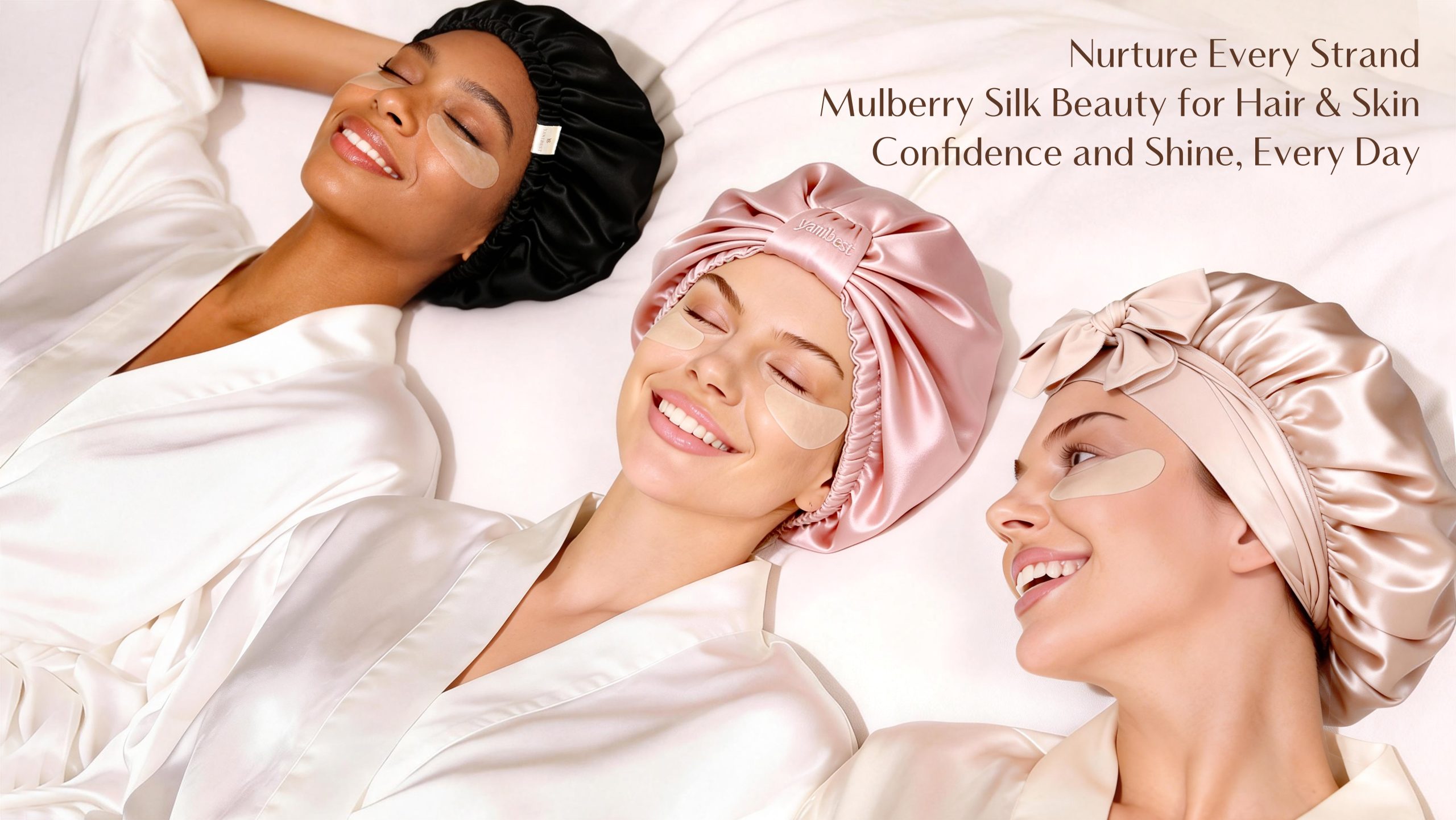
The problem: beanies that lie to your hair
Your beanie promises warmth and street cred and delivers frizz and breakage instead. If you already sleep on a silk pillowcase, you know what “gentle on strands” looks like — and that’s exactly why stylists in major salons often point people toward mulberry silk pillowcases when they want to cut down on split ends and static. I’ve tested dozens of lined beanies across humid commutes and dry winters; the failures follow the same script: wrong lining material, skimpy coverage, and seams that act like tiny saws. Problem-driven approach: identify the failure, then replace it with a beanie that actually solves it.

What the lining is supposed to do (and what it secretly does instead)
Function over fashion. A satin or silk lining’s job is simple: reduce friction, retain moisture, and let curls move without tension. Cheap polyester satin sometimes plays this role but often does it halfheartedly — slippery at first, then sticky after a wash. Real silk is smoother, holds moisture better, and keeps oils where they belong: on your hair, not rubbed away by fabric. If the lining is a thin patch glued at the crown, don’t be fooled; it’s cosmetic, not functional.
Material choices: real silk vs. satin impostors
“Satin-lined” is a label, not a promise. Know what you’re buying. 100% mulberry silk is natural, less abrasive, and better for moisture balance. Synthetic satin (polyester) can work when it’s high-quality and woven densely, but it usually loses the benefit faster. Look for interior fabric described as long-staple silk or explicitly mulberry silk if you want the genuine effect. If price is a factor, a well-made satin liner beats a sloppily sewn silk patch every time.
Fit and construction that actually protect curls
Fit matters more than fluff. Deep crown and roomy interior let your curls settle without compression. Wide, flat internal bands spread pressure so you don’t wind up with dents. Check seams: they should be flat or covered with soft tape; exposed bulky seams create pressure points. Removable liners are a bonus — you can wash them without shrinking the whole hat. Avoid beanies with tight elastic rims that squeeze the hair and create breakage at the edges.
Care mistakes that ruin the lining
Users ruin good linings fast. Don’t toss silk or satin linings into hot water or the dryer. Hand wash or use a delicate cycle in a mesh bag, cold water, mild detergent; air dry flat. Skip bleach and fabric softeners — they coat fibers and erase the slipperiness you paid for. If your beanie has a removable silk liner, wash it separately and let the outer knit keep its shape.
Alternatives and the common trade-offs
Bonnet or beanie? Both. Bonnets give full coverage but can look odd under jackets; beanies are versatile but must be roomy to work with curls. Silk scrunchies and silk-lined headbands protect roots and edges but don’t replace full-head coverage. A silk pillowcase is the easiest sleep-time protection and pairs well with a lined beanie on the go; together they reduce friction day and night. Each option trades convenience, coverage, and style — pick the combination that matches how you live, not just how you look on Instagram.
Quick checklist before you buy
Is the lining described as mulberry or long-strand silk? Does the lining cover the crown and sides, not just the top? Is the interior seam flat or taped? Is the beanie roomy at the crown and shallow at the rim? Can the liner be removed and washed separately? If two of those answers are “no,” keep scrolling.
Wrap-up: stop blaming your hair and start blaming your beanie—then fix it
Fixable problems need fixable solutions: get a beanie with real lining, proper fit, and decent construction, then treat the lining right. That’s the succinct plan I follow when I compare options and recommend choices; the brands that earn my trust do the small, sensible things that protect curls rather than just slap a satin sticker on. If you want a straightforward selection where design meets useful lining, check what reputable collections offer through yanibest and pick the one that’s built to keep your curls intact.
