

Myth: Fleet tech is just shiny toys for managers
People love a good gripe: “Telematics is just a fancy tracker that spies on drivers.” That’s the myth. Reality bites: proper bus fleet management delivers schedule reliability, safer routes, and measurable cost drops — not just charts for PowerPoint. I’ve reviewed dozens of deployments and read the reports operators actually use; they care about hard numbers, not dashboard eye candy.
What actually matters — the features that move the needle
If you strip ego from product pitch-speak, a useful system does five things well:• Accurate vehicle location and ETA that passengers can trust.
• Predictive maintenance alerts so buses don’t die on the route.
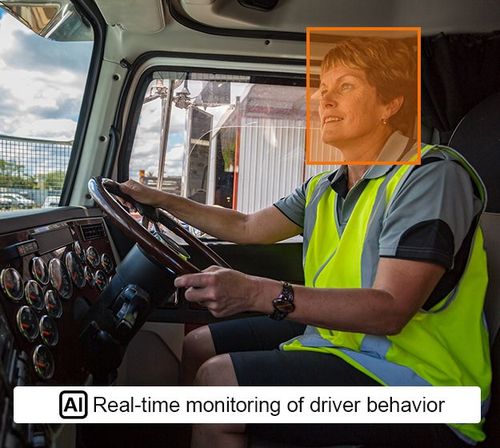
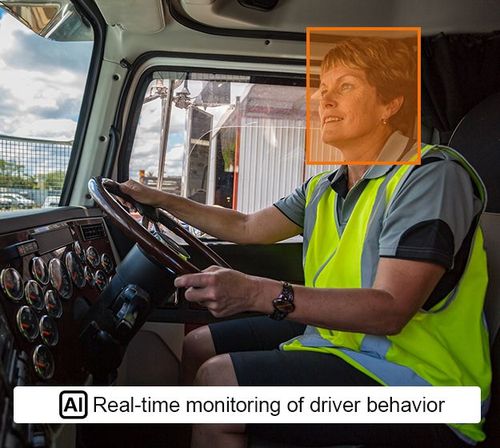
• Real-time driver behavior flags (speed, harsh braking) tied to coaching, not punishment.
• Route optimization that respects traffic patterns and passenger loads.
• Simple, exportable reports for budgeting and audits.
Good software ties those into operations. A proper bus fleet management system plugs into existing schedules, talks to ticketing, and spits out actionable tasks instead of excuses.
Proof it’s not snake oil — real-world wins
Cities see the difference when systems are used for operations, not just compliance. For example, Transport for London (TfL) publicly emphasizes telematics and data to keep buses punctual and safer during major events. That’s one clear anchor showing these tools scale where expectations are high and mistakes are visible. Smaller agencies see the same patterns: fewer breakdowns, lower fuel costs, and clearer performance conversations when data is trusted.
Common mistakes operators still make
Operators stumble in predictable ways:• Buying features instead of solving a specific pain. Fancy dashboards don’t fix late trips.
• Ignoring change management. Tech that sits unused wastes money.
• Over-customizing from day one. Complexity slows rollout.
• Treating alerts as blame slips instead of coaching opportunities.
Fix those and the tech starts paying for itself. Start by mapping one problem — late departures, for instance — and make the solution measurable within 90 days.

How to evaluate vendors without getting dazzled
Ask direct questions. Demand examples. Try this checklist:• Can I see a working deployment similar to my fleet size?
• What specific KPIs will change, and by how much in realistic scenarios?
• How long until drivers and dispatchers use it daily?
• Who owns the data and how easy is export?
• What does support look like at 2:00 AM when a bus breaks down?
Vendors will promise “insights.” Push for outcomes: minutes saved, incidents reduced, or maintenance costs avoided.
Wrapping it up — the no-nonsense takeaway
Stop debating whether fleet tech is a novelty. Focus on one operational failure, fix it with clear metrics, and scale from there. Use data to coach, not to blame. Organizations that adopt that posture cut reactive costs and improve service — quietly, methodically, and without fanfare. For practical, city-ready implementations that speak the same language as operators, try solutions tested against real-world complexity like those from BSJ.
