

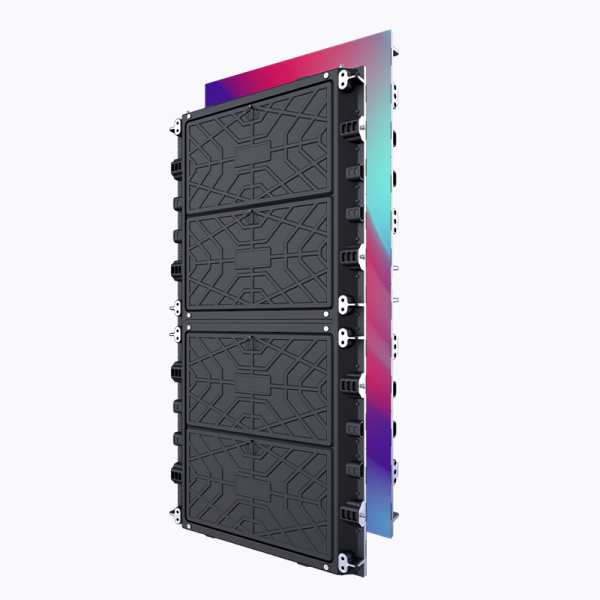
User-focused overview
Selecting an LED solution should begin with how people interact with the screen. Corporate lobbies, retail floors and event stages need different resolutions, mounting options and maintenance plans. For indoor briefing rooms, consider a fine-pitch indoor led display to preserve viewing distance and text clarity. A user-centric approach prioritizes legibility, access for service, and an experience that supports the task at hand—presentation, branding, or real-time data display.
Real-world anchor and performance expectations
Large outdoor signage like the displays on Times Square or the digital façades along the Las Vegas Strip set clear performance expectations: high brightness, robust weather sealing, and visible color fidelity at distance. Typical outdoor panels run brightness levels measured in nits—often 3,000–5,000 nits for daylight legibility—and indoor cabinets use lower levels with tighter pixel pitch for close viewing. These measurable parameters matter when you map a solution to a location and a function.
Operational production teardown
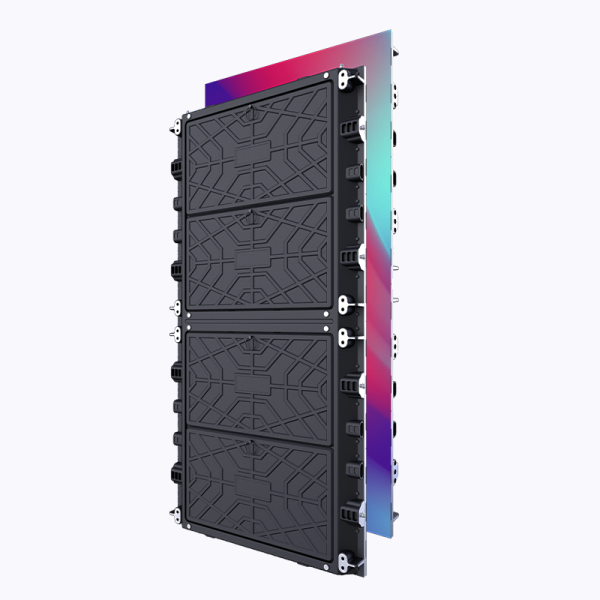
Breaking down how a display is made clarifies trade-offs. A production teardown shows modules, LED driver ICs, cabinet frames, power supply units, and calibration routines. For an outdoor led screen, expect IP-rated enclosures, higher-wattage LEDs, and thermal management. For a display screen led intended for indoor use, manufacturers focus on pixel pitch, refresh rate and uniformity. Understanding module-level repairability and cabinet alignment reduces lifecycle costs.
Common mistakes and alternatives
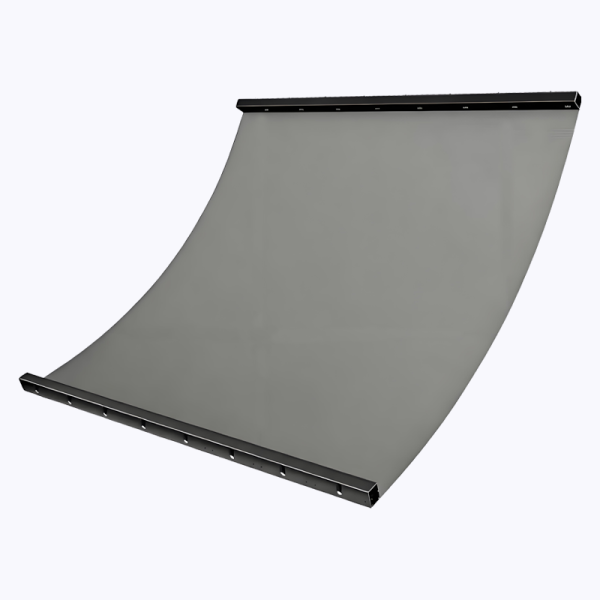
Buyers often over-specify resolution for the viewing distance or under-budget service access. Skip these pitfalls by checking three things early: pixel pitch vs. typical viewer distance, cabinet maintenance access, and realistic brightness requirements. Alternatives to large LED walls include high-brightness LCD arrays for controlled environments and projection with ambient light control for temporary installations.
Installation and calibration checklist
Follow a concise checklist during install: verify mechanical anchors, confirm power distribution and grounding, run color calibration and gamma mapping, and perform a full burn-in. Include at least one on-site calibration pass after 24–72 hours of operation; this stabilizes color and brightness across modules. Addressing these steps prevents banding, misalignment and premature module failure.
Service, warranties and lifecycle cost
Service strategy often determines total cost of ownership. Look for replaceable LED modules, a clear SLA for on-site response times, and transparent spare-part pricing. Warranties should cover LED lumen depreciation and driver failures with explicit timeframes. A modular design shortens downtime; a less serviceable monolithic wall increases operational risk.
Comparative snapshot—key variables
When comparing vendors, weigh these variables: pixel pitch, brightness (nits), refresh rate (Hz), ingress protection (IP) rating, and cabinet size. Also compare support networks and in-region warehouses—these reduce repair lead times. A balanced choice aligns technical specs with user needs and real-world behavior patterns observed in similar corporate installations.
Summary and practical next steps
Match viewing distance to pixel pitch, prioritize maintainability, and validate brightness against the installation environment. Budget for calibration and a service plan; the lowest upfront price often costs more over five years. This framework narrows options quickly and points toward vendors that blend product quality with predictable support.
Evaluation metrics to apply before purchase
Use these three golden rules when finalizing your decision:- Contrast technical fit: pixel pitch vs. intended viewing distance, brightness, and refresh rate.- Inspect serviceability: modular repairs, spare parts availability, and explicit SLA terms.- Verify measured performance: on-site brightness and color uniformity tests during acceptance.These metrics translate directly into visibility, uptime and long-term cost control. For practical sourcing and component choices, consider how products align with the specification and support model offered by best indoor led display wall suppliers. The vendor that balances product detail with service consistency becomes a partner—not just a supplier. Coblinks. –
