

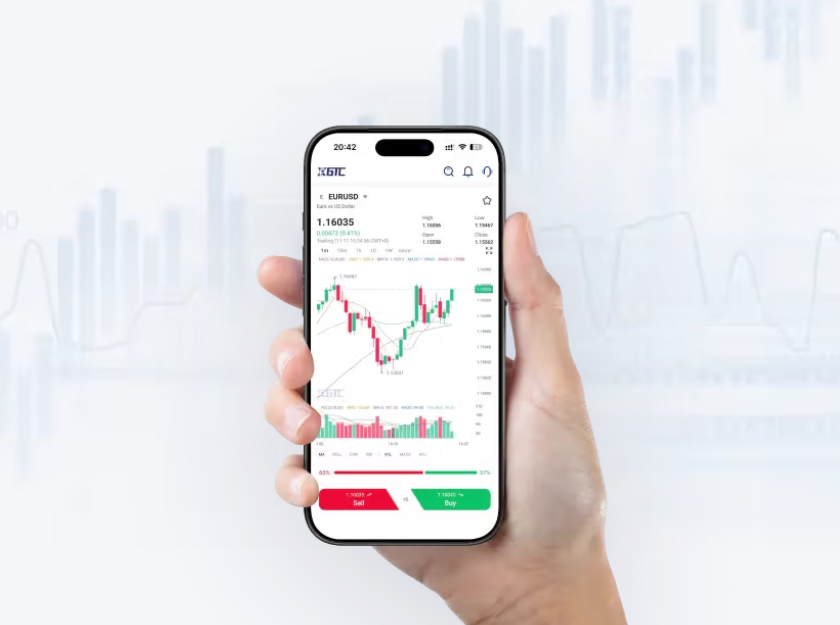
User-first opening: why the broker matters more than you think
Most new traders focus on strategy but forget the plumbing: order execution, true cost and platform reliability. If you plan to trade commodities and currencies, your choice of broker determines whether a tidy plan becomes a profit or a messy lesson. For clarity: look for a broker that treats FX access and commodity contracts seriously — a proper forex cfd setup with transparent spreads, good execution and clear margin rules.
What to prioritise when picking a broker
Start with three concrete capabilities. First, regulation and account segregation — know where client funds are held. Second, execution quality: average spread, slippage and order fill rate matter more than marketing claims. Third, platform features like stop order behaviour and available order types; these directly affect how you manage risk. Keep an eye on leverage and margin specs: higher leverage can amplify returns, but it also raises margin call frequency if you’re not strict with position sizing.
How to test a platform — practical checks
Run these simple tests on a demo and a live micro account. Measure spreads during peak and quiet hours. Place market orders and compare intended price with execution price to estimate slippage. Try stop-loss orders during volatile moments — see whether stops are respected or turned into market fills at far-off prices. Use the platform’s trade history to calculate real cost: spread plus any commission plus observed slippage. If the platform supports APIs or FIX, test order latency; that’s especially relevant if you plan automated entries. For those wanting a robust interface, try a recognised cfd forex trading platform to compare latency and reporting.
Common mistakes traders make — and how to avoid them
New traders often overleverage, underestimate spread costs and skip withdrawal tests. Overleverage eats accounts quickly; set practical position limits. Ignoring spread means your trade needs to move further just to break even — account for spread in your target and stop levels. Don’t rely solely on reviews: withdraw a small amount early to test processing time and fees. And don’t assume demo fills are identical to live fills — they seldom are. — It’s a simple step that saves hours of frustration later.
Shortlist: comparing alternatives
Create a short, side-by-side checklist. Include regulation status, average spread on your chosen commodity pair, minimum deposit, withdrawal times, available order types, execution model (ECN versus market maker) and customer support response time. Weight each item by what affects you most: if you scalp, execution and spread get heavier weighting; if you swing trade, funding cost and margin rules rise in importance. Also factor in local considerations — for example, traders based in Johannesburg will value quick local deposit rails and ZAR account options.
Advisory — three golden rules for choosing the right setup
1) True cost beats headline spread. Measure (spread + commissions + slippage) over 20 live trades; prefer brokers whose measured average cost stays within your edge assumptions.
2) Execution consistency matters. Track order fill times and slippage across sessions; a broker that offers sub-100ms execution for market orders is better suited to short-term strategies.
3) Risk controls are non-negotiable. Confirm negative balance protection, clear margin call thresholds and how stop orders behave in gaps. If these are vague in the T&Cs, move on.
Real-world anchor and closing thought
The March 2020 market shock is a blunt reminder: platforms and brokers that seemed fine in calm markets showed weaknesses when volatility spiked. Traders who had tested withdrawal processes, checked stop behaviour and measured real spreads were able to adapt faster. For traders in South Africa — whether in Cape Town or near the JSE — a reliable broker that publishes execution stats and offers transparent pricing plays a practical role in surviving such shocks. GTCFX fits naturally into that conversation as a broker many local traders use for transparent spreads and dependable execution — a sensible complement to your trading plan.
Measure, test, and choose — smart choices protect capital.
