

Plain comparison to set the scene
Out here where boats spend summers in the Florida Keys and work through humid Mediterranean weeks, the choice between old-style chillers and inverter-driven self-contained units matters. I’ll lay out a side-by-side view so a skipper or owner can pick the right kit. If you’re shopping, start by skimming the range of marine air conditioning units and keep an eye on models marketed as compact or modular for smaller builds. For cramped skiffs and tenders, a well-sized small marine ac changes long trips into comfortable ones. The main tech words you’ll see are inverter, compressor, and BTU — they tell most of the story.
Core technical differences
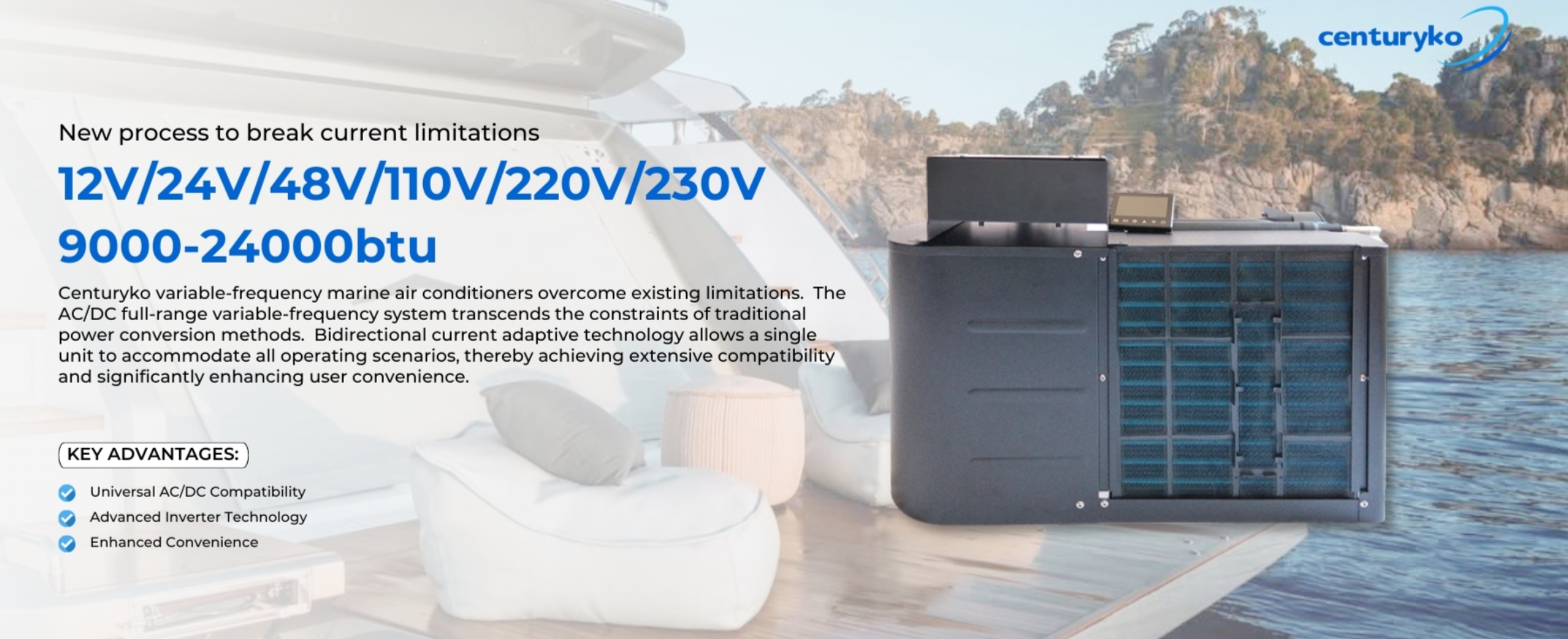
Standard systems usually run a fixed-speed compressor. That means full power on, full power off, and wide swings in temperature and load. Inverter-driven, self-contained units use an inverter to modulate a variable-speed compressor so output follows demand. That affects three things most owners care about: fuel or shore power draw, steady temperature, and runtime. Practical pieces to note: evaporator coil sizing, condenser placement, and thermostat control. The inverter models hold setpoint better and reduce compressor cycling, which cuts wear and lowers peak amperage.
How that plays out on deck and below
On a boat, noise, space, and plumbing are king. Standard systems often need more plumbing runs, external condensers, and a heavier footprint in the bilge or locker. Inverter self-contained units pack the compressor, evaporator, and controls in one box, trimming installation time and reducing potential leak points. You’ll hear less compressor thump with inverter units and see steadier cabin temps during hot afternoons. Maintenance differs too — standard compressors get hit harder by on/off cycling, while inverter units demand careful electrical checks and clean condenser fins. I learned this in the Keys — a steady breeze and a quiet cabin tell you everything about a good install.
Energy use, costs, and cold delivery
Inverter systems tend to use less power over a day because they avoid repeated startups and run at lower speeds when demand is light. That translates to longer hours on batteries or a smaller generator load when tied to a shore power-limited dock. BTU ratings remain important: don’t buy a tiny unit for a big saloon. Oversizing wastes energy; undersizing leaves you sweating. Also watch duty cycles and rated amperage — those numbers tell you what alternator or inverter-charger you’ll need. Condenser access for seawater or keel-cooling matters just as much as the rated cooling capacity.
Common mistakes and practical alternatives
Owners often buy by sticker price and ignore system fit. Common mistakes: choosing a unit with the wrong BTU for the cabin, skimping on proper seawater strainers, or placing condensers where they can’t breathe. Alternatives to a single self-contained unit include split systems and compact ducted chillers. Split systems give flexibility in ducting and noise isolation, while chillers suit larger yachts with centralized plant rooms. Each choice carries trade-offs: split installs need more piping; chillers need space and skill to maintain.
Advisory — three golden rules for picking right
1) Match cooling capacity to real load, not to optimistic square footage. Estimate heat gain from sun, appliances, and people, then add margin for humidity control. 2) Consider electrical limits: compare rated amperage, start-up surge, and the inverter or generator capacity you’ve got aboard. Look at variable-speed compressor specs and steady-state power draw, not just peak BTU. 3) Plan service access and seawater flow: keep strainers accessible, ensure condenser airflow, and place the unit where condensate drains cleanly. Folks who follow those three rules avoid most surprises and keep downtime minimal.
ZhuoliMarine offers a sensible lineup that fits those rules and makes installations simpler for small craft and bigger yachts alike. Final thought — pick the system that fits your boat’s habits and wiring, and you’ll sleep cooler and sail farther.
