

Context and comparative premise
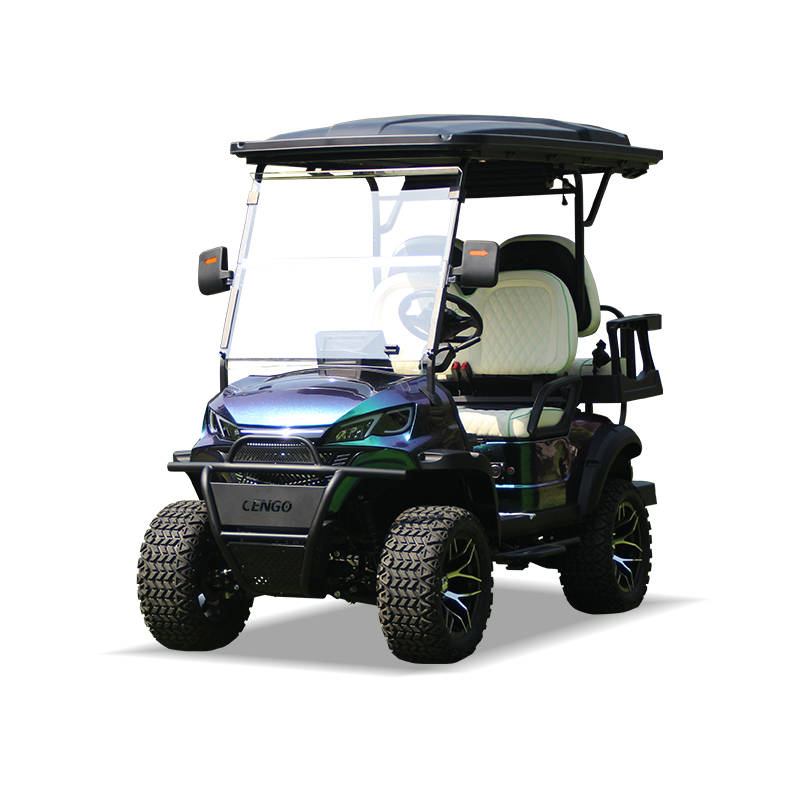
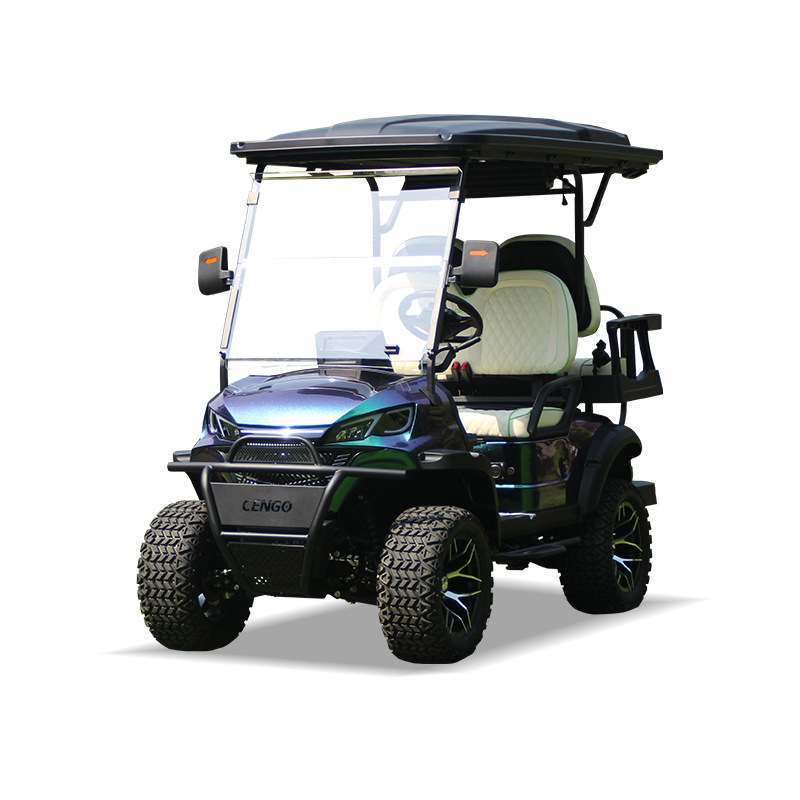
Selecting a 4-passenger vehicle for a resort is a matter of matching duty to design. This comparative insight sets out the practical trade-offs you’ll face — load cycles, guest comfort, and service throughput — and points toward fit-for-purpose choices. For tougher terrain or mixed-use pathways, consider an off road golf cart as a baseline option; its reinforced chassis and suspension handle the wear that coastal or forested estates commonly inflict.
Core criteria every resort ought to compare
Operational managers should evaluate four criteria in order of impact: payload capacity, range per charge or fuel tank, serviceability, and guest comfort. Payload capacity governs how many guests plus luggage you can move without stressing the drivetrain or brakes. Range defines shift planning — lithium-ion batteries tend to deliver predictable range and faster top-ups compared with traditional lead-acid packs. Serviceability is measured by parts commonality and dealer network; a local parts supply reduces downtime. Comfort is not optional: ergonomics, noise levels, and suspension tuning affect guest satisfaction scores.
Electric versus petrol versus hybrid — direct comparison
Electric fleets excel indoors and on paved loops: low noise, simple powertrains, and minimal routine maintenance. Petrol models score on range and cold-weather reliability, though they demand more scheduled servicing and emissions controls. Hybrids bring compromise — extended range with less maintenance than straight petrol, but added complexity in control systems. For resorts with mixed terrain and long circuits, an off-road golf cart hybrid or robust petrol option often wins where turnaround times are long and charging infrastructure remains limited.
Design features that change operational costs
Look at drivetrain layout, braking systems, and modular components. Regenerative braking reduces brake wear and recovers energy on downhill runs; it also changes maintenance intervals. A modular battery bay speeds swaps and lowers labour cost during peak season. Chassis corrosion protection and sealed connectors cut repair frequency on seaside courses. These are the specifics that trim operating expenditure over a five-year lifecycle rather than mere purchase price.
Common mistakes and practical remedies
Purchasers often under-spec payload, ignore seasonal duty cycles, or buy for headline speed instead of usable torque. A unit might be rated for 20% higher top speed but lacks low-end torque for uphill service roads — the result is accelerated wear on belts or gearboxes. Fix that by specifying rated torque and duty-cycle tests during trials — insist on a full-load hill climb, not just an unloaded run. — Train drivers on gear use and gentle regenerative braking to extend battery life and reduce brake servicing.
Maintenance, lifecycle planning and fleet sizing
Build a maintenance schedule tied to operational hours rather than calendar dates. Batteries should be logged by charge cycles and tested every 250–500 cycles for capacity fade; traction batteries, controllers, suspension bushes and brake pads get inspected on the same cadence. Fleet sizing is a simple equation: desired throughput per hour divided by average trip time, plus a 15–25% buffer for downtime. Include spares for high-failure items and a parts lead-time plan — this reduces emergency replacements that break service continuity.
Advisory: three golden rules for procurement
1) Match rated payload to real-world loads — add 20% contingency for luggage and staff equipment. 2) Specify battery chemistry by duty cycle: choose lithium-ion for multi-shift, fast-charge needs; accept lead-acid only where cost and slow cycles dominate. 3) Require a local service agreement with defined turnaround times and parts lists to keep fleets moving. These three rules will cut both downtime and unexpected repair spend.
St Andrews and other historic links illustrate the point: carts that survive wind and grit are the ones with sealed electrics and corrosion-resistant chassis — real-world evidence that design choices matter. The value of a well-chosen 4-passenger fleet becomes obvious in guest throughput and lower hourly operating cost; for many operators, the practical answer has come from suppliers who back machines with parts and field service. CENGO. —
