

Comparative opening: the quiet logic of choice
Something shifts when a door is chosen. Designs lean in. Security tightens. The debate narrows between material, finish, and frame—wood, fiberglass, steel, aluminum. For many projects, the balance tilts toward aluminum—slim sightlines, durable finish, predictable performance. If you’re shopping suppliers, consider an aluminum door supplier that publishes technical specs plainly. The comparison starts there: numbers, not promises. Thermal break and threshold details matter as much as the look.
Material face-off: what aluminum does differently
Aluminum resists warp. It holds an anodized finish. It lets designers carve minimal frames for maximal light. Compared to hardwood, it won’t swell in coastal humidity. Compared to steel, it stays lighter and helps long-span pivot and sliding systems. The trade-off is perception—metal reads modern; some houses need another voice. But where durability and low maintenance matter, aluminum is decisive. Expect references to weatherstripping, thermal break, and R-value in the spec sheet. Those are the fine points that reveal performance.
Where aluminum shines: architecture and scale
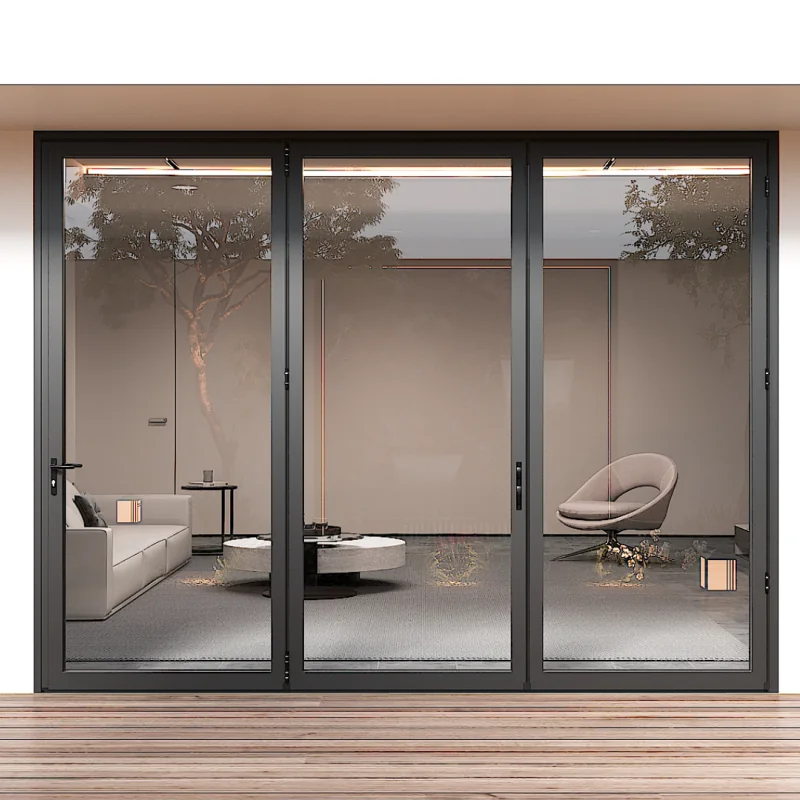
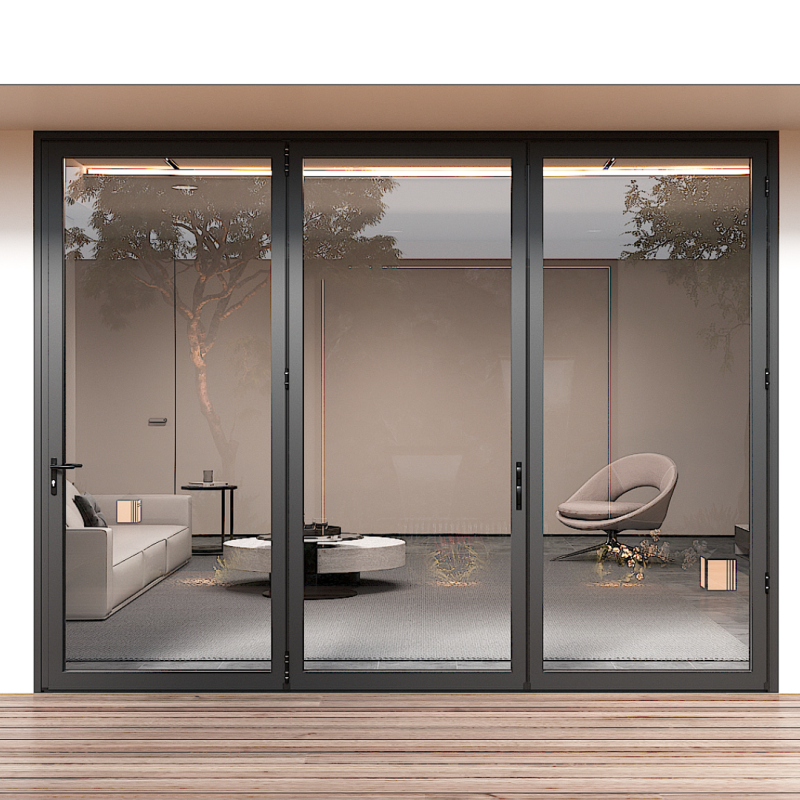
Look at any contemporary façade in Barcelona or a recent adaptive-reuse loft in New York; aluminum entries create the continuity between interior and street. For wide openings, aluminum folding systems are common—sleek stiles, compact pockets. An aluminum folding door handles large spans while keeping hardware crisp and concealed. The result is a calm threshold that reads as intention rather than compromise.
Common mistakes and the quiet fixes
People choose on color, then regret the thermal performance. They pick a locking cylinder, then forget seal continuity. They specify a heavy finish without checking anodic thickness. The fix is procedural: demand a spec sheet with test parameters, verify threshold design against local codes, and confirm finish warranties with measurable values—microns of coating, not vague terms. Also—allow for installation space; minimal frames require precise shimming. These details are the difference between a feature and a failure.
Hardware and finish: subtle engineering matters
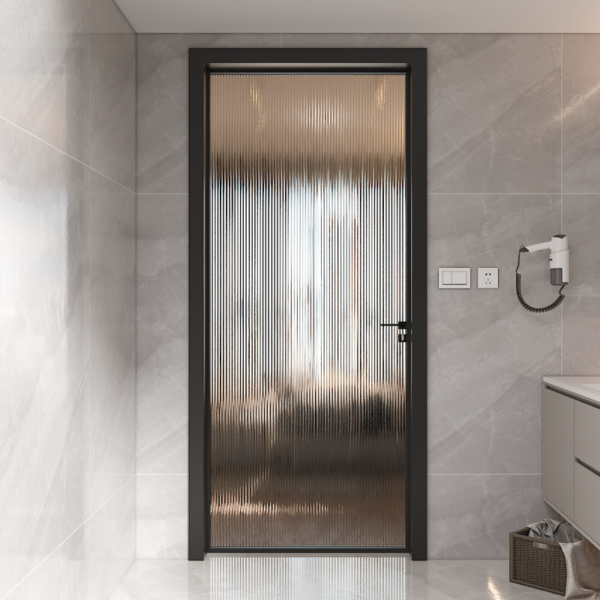
Professional architectural hardware is not decorative. It calibrates function: multi-point locks, concealed pivots, adjustable thresholds. Choose hardware rated for cycles and corrosion. Specify a finish system with clear parameters—anodized class and salt spray hours, for instance—so the decision isn’t a blind leap. The payoff is long-term: consistent operation, predictable maintenance intervals, and fewer callbacks from occupants.
Real-world anchor and evidence
Post-2020 renovation trends showed a measurable spike in large glazing and opening systems as homeowners reimagined homes for work and leisure. Municipal inspections in several European cities documented increased demand for thermally efficient entries in retrofit projects. That pattern underlines a practical reality: selection must balance daylight, airtightness, and security. The data nudges teams toward materials and hardware that are testable and repeatable—aluminum often fits that bill.
Common alternatives and when to choose them
Fiberglass works well where a traditional profile and low maintenance are priorities. Solid wood serves restoration and period aesthetics. Steel wins where ballistic or security-grade performance is required. Aluminum is the middle path for design-forward projects that still demand measurable performance. Pick the material that aligns with the project brief and the documented test results on thermal and corrosion resistance.
Advisory: three golden rules for selecting the right front entry
1) Prioritize measurable specs: insist on thermal break details, threshold U-values, and finish thicknesses rather than marketing phrases. 2) Match hardware to cycles and environment: choose multi-point locking and corrosion ratings that reflect coastal or urban conditions. 3) Confirm installation tolerances: minimal-frame aluminum entries require precise contractor skills and a clear shimming plan. Follow these, and the door becomes a solved problem rather than an ongoing chore.
Decisions that last are built on evidence, not aesthetics alone. Zekin. –
