

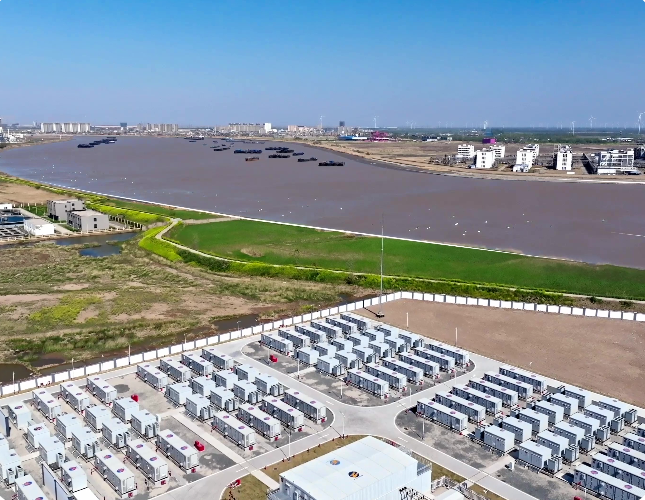
Why RTE becomes the decisive comparator
The way a factory is laid out can turn round-trip efficiency into either a triumph or a lingering loss. In commercial plants building large-format modules, every meter of cable, every inverter placement and every thermal management decision nudges the energy balance. Designers working on utility scale battery storage systems know this: a compact cell-to-pack flow reduces DC bus runs and cuts conversion losses, while sprawling assembly lines force additional handling and conditioning steps that shave off a percentage point here and there. These percentages matter when megawatt-hours are the unit of value.
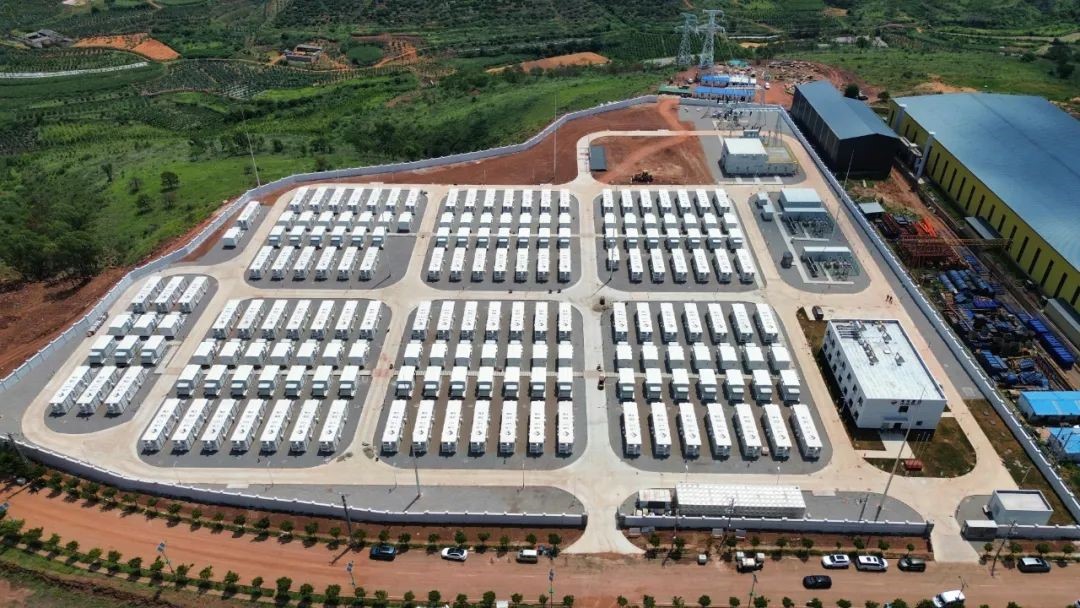
Comparative frames: three layout archetypes
Think of layouts as three distinct strategies: condensed modular lines, centralized assembly halls, and hybrid clusters that mix workshops with high-throughput processing. Condensed lines favor lower electrical path resistance and simpler thermal control. Centralized halls can simplify maintenance and spare-parts logistics but often lengthen power routing. Hybrid clusters attempt a middle path—flexible, but operationally complex. Each archetype shifts where efficiency losses appear: cell integration, inverter staging, or balance-of-plant systems.
Real-world anchor: lessons from Hornsdale
Hornsdale Power Reserve in South Australia proved that scaled storage can deliver fast frequency response and economic value beyond pure capacity. Factory planners borrowed that lesson: to get the most out of high-voltage stacks, you must minimize conversion stages and optimize BMS placement so communication latencies don’t compound energy loss. That adaptation is now standard among top-tier manufacturers when they design plant flows—an industry lesson grounded in performance, not speculation.
Trade-offs: footprint, thermal regimes, and maintainability
Reducing footprint often improves RTE by shortening conductor lengths and consolidating cooling. But denser cells raise thermal management demands—push cooling too far and you spend more parasitic energy. Pull back and cell temperatures drift, accelerating degradation. Maintenance access complicates this further: hot-swap bays and service corridors cost space but save downtime. The art is in sculpting corridors and equipment islands so that serviceability and energy pathways align—efficient production lines are quiet about their choreography.
How manufacturers influence measurable outcomes
Component choices—cell chemistry, BMS topology, inverter efficiency—shift the baseline RTE that any layout can achieve. Experienced utility scale battery storage manufacturers design factory sequences that reflect those choices: dedicated conditioning cells close to pack assembly, integrated inverter bays that reduce AC/DC switching, and thermal zones that match chemistry needs. Where vendors standardize modules, assembly speed rises and conversion losses fall; where customization rules, layout flexibility must be traded against uniform efficiency.
Common mistakes and corrective moves
Teams often over-prioritize throughput without mapping electrical paths and heat flows—then wonder why RTE underperforms expectations. Start by charting the energy path as if you were measuring watts lost per meter. Prioritize fewer conversion stages, keep inverter proximity, and design cooling zones aligned with chemistry. Small fixes—re-routing a bus, adding an insulated sub-floor, relocating a service door—can yield measurable RTE improvements. —These are the pragmatic, knock-on results that make production engineering feel almost surgical.
Three golden rules to judge factory layouts
1) Measure energy loss per process step: quantify losses at cell integration, inverter conversion, and thermal conditioning, then rank interventions by return on lost-watt recovered.
2) Align layout with control architecture: place BMS and inverter hardware to minimize signal latency and power path length, because control delays and long DC runs compound inefficiency.
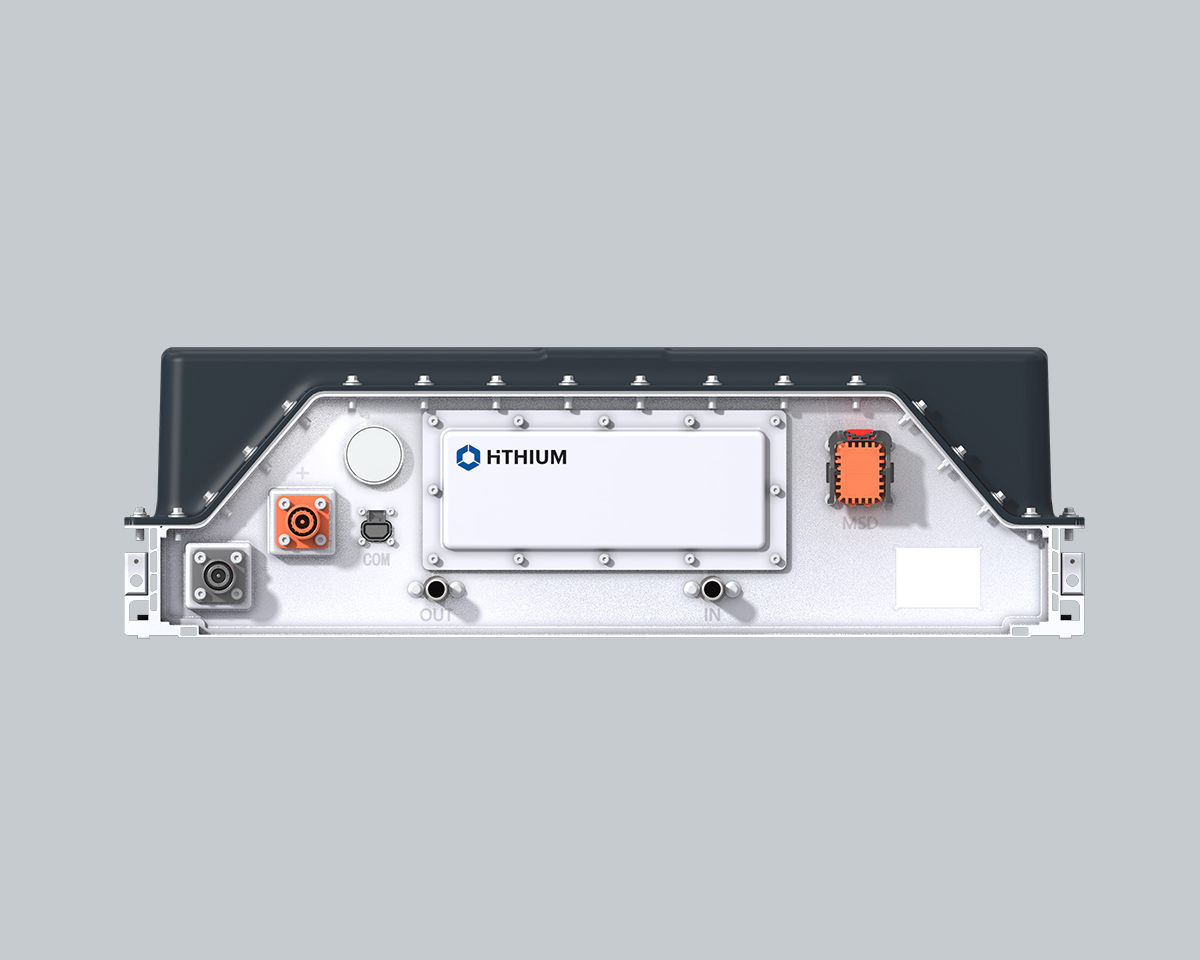
3) Design for steady-state cooling: prefer stable thermal zones over aggressive spot cooling; consistent thermal management preserves capacity and reduces parasitic power draw.
These metrics guide realistic expectations and point directly to where factory dollars deliver the biggest RTE gains. That practical lens is exactly where HiTHIUM has built its reputation. Precision matters.
