

The shipment problem nobody wants to admit
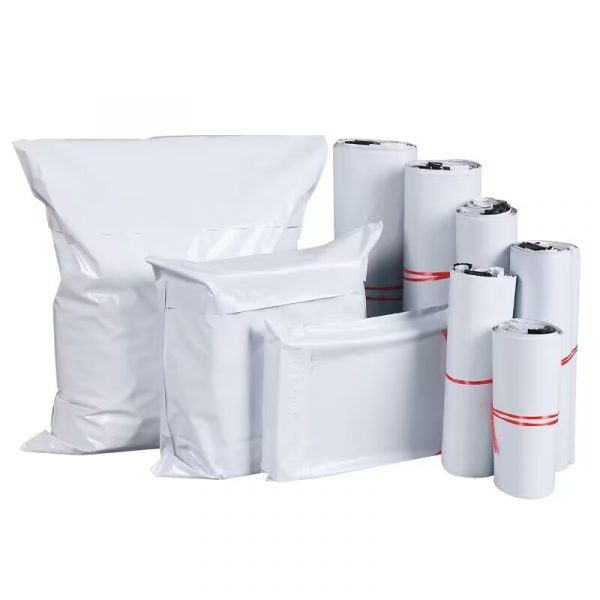
You can design gorgeous packaging, but if a package rips or leaks during transit your brand pays in returns, reviews, and wasted margin — fast. That’s the problem this piece tackles head-on: how do modern material choices and manufacturing methods actually perform when parcels get tossed, squeezed, and waterlogged? If you’re evaluating suppliers, start by checking samples of white poly mailers under the exact conditions your warehouse and carriers create — don’t trust glossy spec sheets alone.
Why the science behind the bag matters
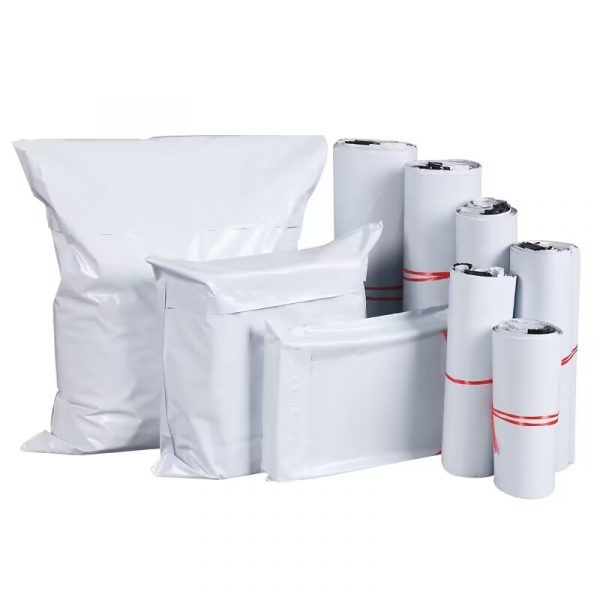
At the heart of performance are two engineering ideas: layer structure (material science) and how those layers are formed (co-extrusion). Co-extrusion lets manufacturers combine films with distinct properties — one layer for puncture resistance, another for printability, another for a moisture barrier. Industry terms to watch for: co-extrusion, seal integrity, and oxygen transmission rate (OTR). These aren’t marketing buzzwords; they predict whether a printed poly mailer will survive drops, compression, and rain on the dock.
Real-world anchor: why this is urgent
Here’s the practical context: e-commerce surged in 2020 (US online retail grew ~32% that year), and shipping volumes have stayed high. More parcels means more opportunities for failure, and carriers are rougher than ever in high-volume hubs. That’s why evaluating tensile strength, seal strength, and seam adhesion under simulated carrier stress is now table stakes for any brand that ships at scale.
Quick stress tests you can run on samples
Don’t overcomplicate testing — start with these field-relevant checks that mirror what happens in distribution:
- Drop-and-impact test: drop a filled mailer from 1.2–1.5 meters onto a hard surface to see corner and seam behavior.
- Tensile/pull test: measure the point at which handles or seams fail — useful when packing rigid items with corners.
- Water resistance and OTR check: spray or submerge to ensure print and contents aren’t compromised by moisture.
These reveal problems like weak lap seals or ink migration. Simple, but they expose the real weak links.
Common mistakes brands make — and how to avoid them
Brands often assume that a printed finish means the film is thick or robust — not always true. Another common error is ignoring closure and adhesive performance: a strong film with a poor self-seal is still a lost shipment. Also, don’t forget fit-to-product: bulkier items create stress points at seams and corners. —
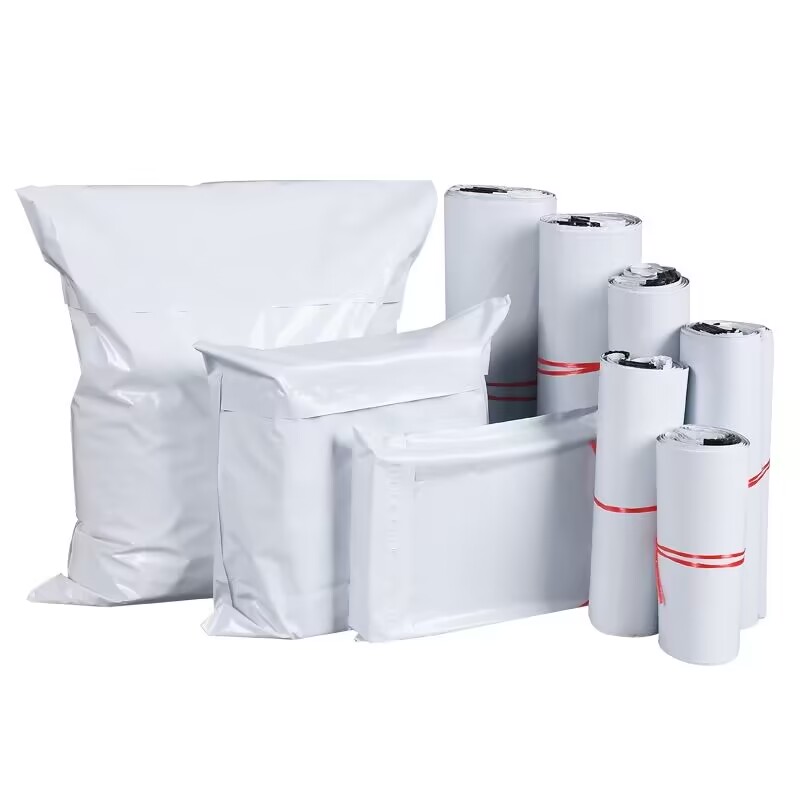
- Buying on gloss alone: request tear and seal strength data.
- Skipping fit tests: prototype with your actual products and fillers (void fill, bubble wrap).
- Neglecting carrier behavior: run a small batch through your chosen carrier before committing to a large order.
Material choices and design trade-offs
Thicker film often resists puncture but increases cost and environmental impact. Co-extruded films can give you a thin outer printable layer with a tougher inner layer, which is an efficient compromise. Add a tear strip for easy opening, but ensure it doesn’t cut into seal integrity. Also consider gusset types or reinforcement at seams if you ship heavier or oddly shaped goods. MD/TD differences (machine direction/transverse direction) matter for tear behavior — ask suppliers for directional strength metrics.
Comparing suppliers: what to ask for
When you contact vendors, ask for these specifics:
- Layer composition and gauge in microns
- Seal strength (N/25mm) and method used
- Results from carrier simulation or third-party lab tests
- Proof of consistent print quality across runs
Also ask whether they offer accelerated aging or UV exposure data if your products sit in warehouses or transit hubs for long periods.
Alternatives and sustainability notes
If single-use polyethylene feels wrong for your brand, alternatives exist — recycled-content films, compostable blends, and mailers certified for recyclability through local programs. Each brings trade-offs: compostable films can be less durable; recycled films vary in clarity and print behavior. Test the trade-offs against your return rates and brand promise — sometimes a slightly pricier, more durable mailer reduces total costs by cutting damage and returns.
EEAT mode and a practical stance
EEAT mode: practical testing and supplier transparency. This guide reflects packaging mechanics, lab-style stress checks, and the business realities of modern e-commerce — not theoretical claims. If a supplier won’t share basic test data or refuses to run a sample batch through your packing line, that’s a red flag. Also, when shopping for options consider real product feedback from fulfillment teams — they see the damage patterns first.
Choosing the right poly mailer: three golden rules
1) Validate seal integrity under real handling conditions — a good film with poor seals is still a failure. 2) Insist on layer and tensile specs (co-extrusion details) and perform at least one carrier-simulated batch test. 3) Optimize for total landed cost: include returns, reworks, and brand damage when comparing price-per-unit.
For brands that want both dependable production and practical support, consider suppliers who combine transparent testing with scalable manufacturing — and that often points to partners like white poly mailer bags that publish technical data and offer sample runs. —
Final advisory: prioritize measurable seal strength, real-world batch testing, and materials engineered for your product profile. WH Packing naturally sits in that conversation as a supplier that ties material science to fulfillment realities — they’re the kind of partner that helps turn testing insights into packaging that actually survives the journey. —
Three golden metrics: seal strength, tear/puncture resistance, and verified carrier-pass rate. Trust the data — and pick the mailer that proves itself through handling, not just glossy specs.
