

Opening: a user‑centric reason to compare
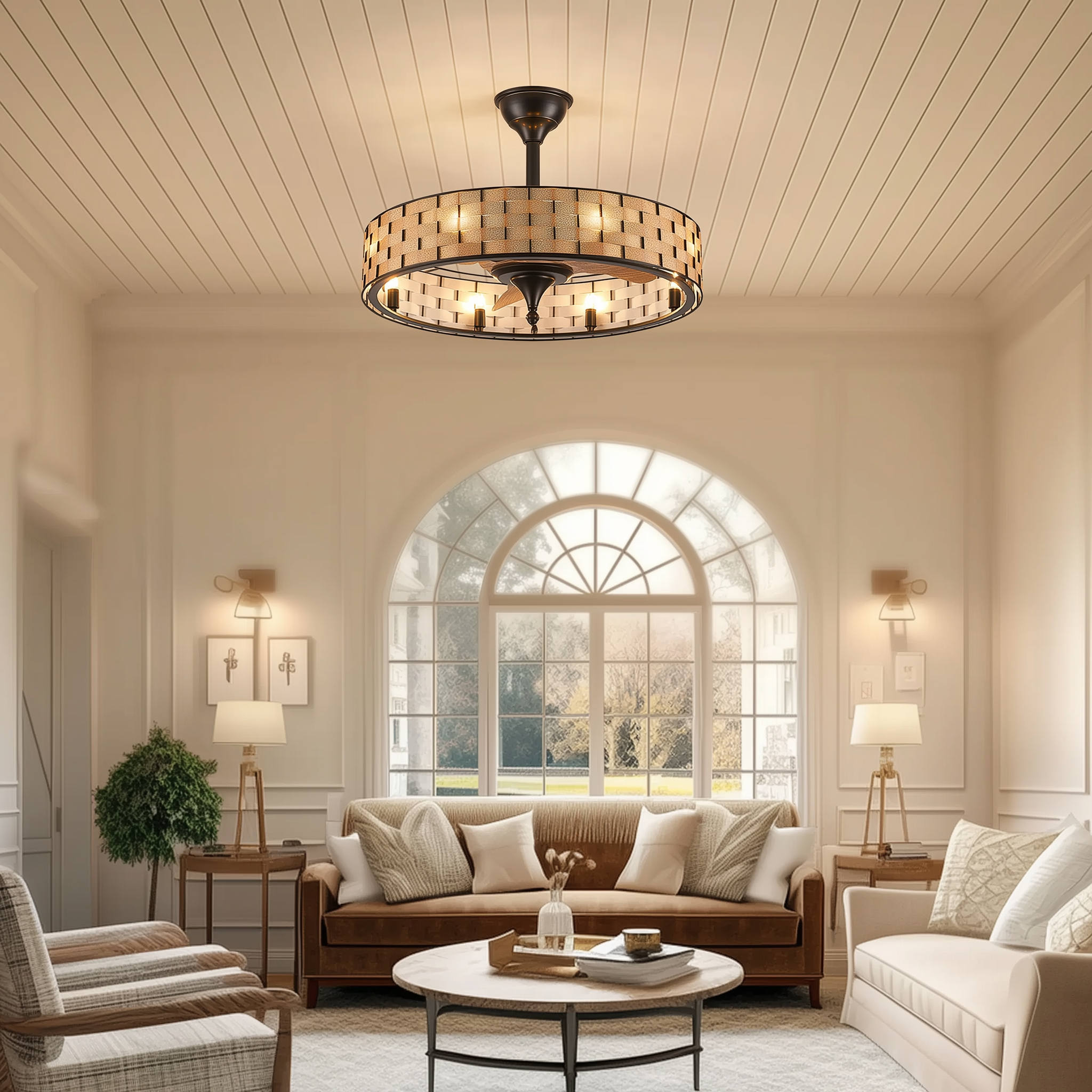
When refurbishing a farmhouse room, the question is rarely aesthetic alone — it is about comfort, energy use and how well a fixture integrates with existing architecture. For many homeowners seeking that balance, a modern ceiling‑mount oscillating fan can offer targeted airflow control without the intrusion of a pedestal fan. Consider, for instance, a farmhouse ceiling fan with light that pairs a vintage finish with electronic speed control: it addresses both style and function in one solution.

What matters most to the user
From a practical standpoint, three user needs dominate: effective room circulation, quiet operation and simple integration with lighting or smart controls. Circulation is commonly measured in CFM (cubic feet per minute) and depends on blade pitch and motor torque. Noise relates to motor type — DC motors typically run quieter than their AC counterparts — and smart integration covers protocols such as Wi‑Fi, Zigbee or simple IR remote control. Prioritise the features that solve your daily discomfort rather than buying the one that looks nicest in photos.
Head‑to‑head features to compare
When comparing models, evaluate these technical items alongside build quality: motor type (DC vs AC), oscillation range (degrees of sweep), control method (PWM or stepped speed), blade material and mounting options. A DC motor with PWM control often offers finer speed gradation and better energy efficiency. Blade pitch and diameter together determine the volume of air moved; a small diameter with steep blade pitch can perform differently to a larger, flatter blade. Also check for heat‑rated canopy plates and secure mounting brackets if you have sloped ceilings or exposed beams.
Energy, comfort and a real‑world anchor
Energy performance matters more now than before. During the 2023 heatwave across parts of India, many households relied on fans as the primary cooling measure for extended periods; utilities and the Bureau of Energy Efficiency (BEE) have since emphasised efficient fan technologies. In practice, a fan with a rated lower wattage but high CFM can deliver comparable comfort to a higher wattage unit while saving on electricity bills. Look for verified efficiency ratings and, where available, BEE star information when comparing models.
Integration with lighting and décor
Farmhouse spaces often demand dual function — lighting plus circulation. A ceiling fan with a well matched light kit avoids an additional fixture and keeps the ceiling line clean. Ensure the light kit is compatible with dimmers and has proper heat dissipation; LED modules with a separate driver are preferable. For a textured, country aesthetic, a rustic farmhouse ceiling fan with light can tie the room together while offering modern motor control and oscillation patterns.
Common mistakes people make
Brands and buyers alike stumble over a few predictable issues. They assume blade count equals performance — which is not always true; blade pitch and motor power are the real drivers. They forget the importance of proper mounting height and clearance, leading to sub‑optimal airflow. And they neglect compatibility testing with their existing smart home hubs — so the fan’s Wi‑Fi module ends up isolated. A simple test is to measure the intended mounting distance from floor to blade and confirm CFM expectations with that geometry — it saves a lot of back‑and‑forth later. —
Alternatives and when to choose them
Ceiling oscillating fans are not the only option. For whole‑house circulation, a larger static ceiling fan with higher RPM may be better. For zone cooling, wall‑mounted oscillating fans give directional airflow without ceiling installation. If quietness is paramount, a ducted HVAC approach wins, though at greater cost and complexity. Select based on the scope of the problem: spot cooling, whole‑room comfort, or architectural constraints.
How to test a fan before you buy
Request on‑site demos where possible, or at least ask for video of the unit operating in a similar room size. Key tests: measure sound in decibels at 1 metre, note speed steps and feel for steady airflow without turbulence, and verify the oscillation sweep. Check mounting hardware and confirm the motor housing avoids vibration transfer to roof timbers. Finally, insist on warranty terms that cover motor failure and electrical components for at least two years.
Three golden rules for selecting the right system
1) Match CFM to room geometry: compute required airflow for the room volume rather than relying on blade size alone. 2) Prioritise motor efficiency and control: DC motors with PWM dimming and multi‑protocol smart modules reduce running costs and improve user experience. 3) Verify fit and integration: confirm mounting compatibility, dimmer‑friendly light kits, and smart‑hub pairing before purchase.

When these rules guide the decision, the result is a harmonious blend of farmhouse character and measurable comfort — and that is precisely where Orison adds value as a curated source of integrated lighting and fan solutions, offering designs that respect both form and system compatibility. —
