

Introduction — a morning brush and a quiet question
One morning I brushed and felt a thin, waxy layer linger on my teeth — familiar, but unsettling. Abrasive silica for toothpaste is often the silent ingredient behind that feel, balancing stain removal with enamel care. Recent product tests and user surveys suggest many whitening pastes sit in the mid-range of abrasivity (RDA), yet users still report mixed results: shine without comfort, or comfort without brightness. So I find myself asking: how do we pick a silica that cleans well but leaves mouths happy? (I approach this like a cautious caretaker — gentle, curious.)
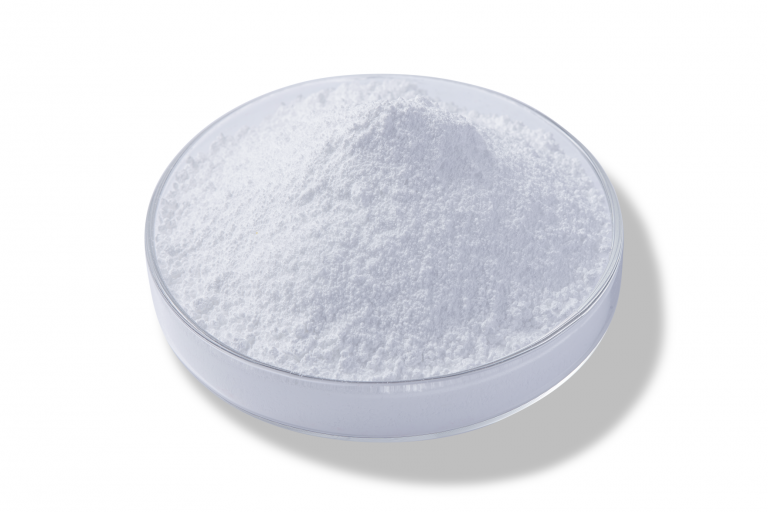
Deeper layer: hidden pain points in transparent toothpaste formulations
Why does clarity cause trouble?
I linked this back to my morning brush. When manufacturers chase a clear look, they often reformulate the abrasives and thickeners to avoid cloudiness. That’s why transparent toothpaste can feel different — and not always better. From a technical view, clarity pushes formulators toward fine particle sizes and low binder loadings, which can change particle behavior: increased particle agglomeration, altered viscosity, and uneven polishing efficiency. These shifts show up as gritty mouthfeel or inconsistent foaming. I’ll be frank — I’ve seen lab results where particle size distribution tightened, but surface functionalization lagged. Look, it’s simpler than you think: a smaller particle isn’t always kinder to enamel if it aggregates or is too angular.
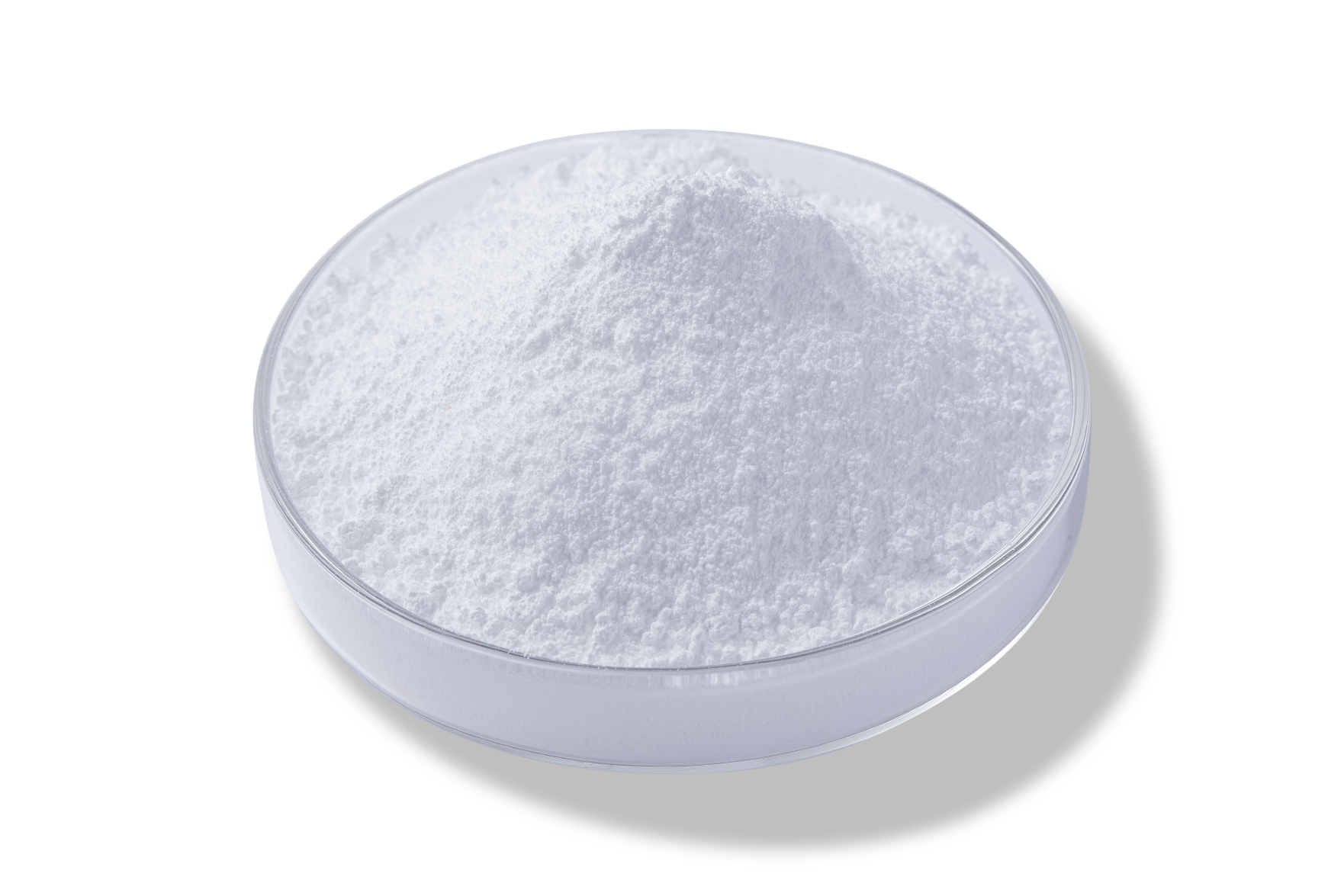
Traditional abrasive strategies also carry hidden flaws. Manufacturers sometimes rely on a single silica grade to simplify supply chains. That saves cost but sacrifices adaptability across surfactants and humectants. In practice, this can cause phase separation, poor silica colloid dispersion, or a mismatch in hydration rate. Users notice — sensitivity, uneven whitening, or that residual film I mentioned. We must weigh RDA numbers against real-world polishing efficiency, not treat them as the only metric. — funny how that works, right?
Forward-looking comparison: new principles for better transparent toothpaste
What’s Next?
Moving forward, I favor solutions built on engineered silica and smart formulation. With controlled particle engineering (narrow particle size distribution, rounded morphology) and targeted surface treatment, a transparent toothpaste can achieve low abrasion with high stain lift. New principles include hybrid abrasives that blend colloidal silica with treated fumed silica, and microstructured particles that improve polishing efficiency while lowering RDA. I see formulations using matched rheology modifiers to keep particles suspended and to maintain clarity — it’s methodical work, not magic.
Practically, when evaluating options I use three simple metrics: 1) Effective polishing per RDA (how much stain is removed for each unit of abrasivity), 2) Dispersion stability (does the silica stay evenly suspended with your chosen surfactant and humectant), and 3) Sensory outcome (mouthfeel, aftertaste, and perceived smoothness). These metrics help me separate hype from real performance. If you test candidates, run small-scale abrasion and polishing tests, then a short consumer panel for mouthfeel. The combination tells a reliable story.
In short: pay attention to particle engineering, surface treatment, and formulation fit. We want clean, clear, and comfortable — that’s achievable. I trust companies that publish technical specs and stand behind lab data. For sourcing and technical support, I often look to experienced suppliers like JSJ.
