

Introduction: Cooling as the Unseen Lever of Reliable Fast Charging
Cooling is not a side note; it is the quiet rule that sets the pace for every kilowatt you deliver. In a dusk-lit station where vans queue and taxis swap shifts, the liquid cooling module becomes the quiet guard of uptime. Logs from busy corridors show that hot days can cut output and force derates, sometimes by double digits. That pressure hits the DC bus, and it strains power converters during long peaks. When the flow of heat falters, so does the flow of charge. We have lived this pattern before—in factories, in server halls, in transit depots (history tends to rhyme).
So the question stands: what keeps stability when parts age, dust gathers, and load spikes? Can we secure thermal headroom without bulky fans and constant filter swaps? And which path holds steady when SiC MOSFET stages or IGBT bridges are pushed hard? Let us weigh the choices with a clear eye—and a brief look back—before moving forward.
Deep Cut: Where Traditional High-Frequency Charging Falls Short
Where do legacy fans fall short?
Here is the direct view: the promise of speed often hides the cost of heat. A modern high frequency charging module can pulse power with tight PWM control, yet airflow systems still bear old burdens. Filters clog. Bearings wear. Acoustic limits cap blower speeds. Each small loss becomes a chain of derates under peak load. Look, it’s simpler than you think—dust ingress raises coil temps, then firmware dials back output to save the stack. Over weeks, the station’s average throughput drops, and users feel the lag at the curb.
There is more beneath the panel. Thermal cycling ages solder joints and bus bars; MTBF falls in sites with long heat soaks. Large fan trays invite maintenance windows and human error (missed replacements, loose connectors). And the layout fights itself: the hottest zones sit where air is hardest to steer. Meanwhile, edge conditions—salt air, fine sand, urban soot—multiply faults. In short, airflow cooling spends effort fighting physics—funny how that works, right?
Forward Look: Principles That Redefine Cooling for Fast Chargers
What’s Next
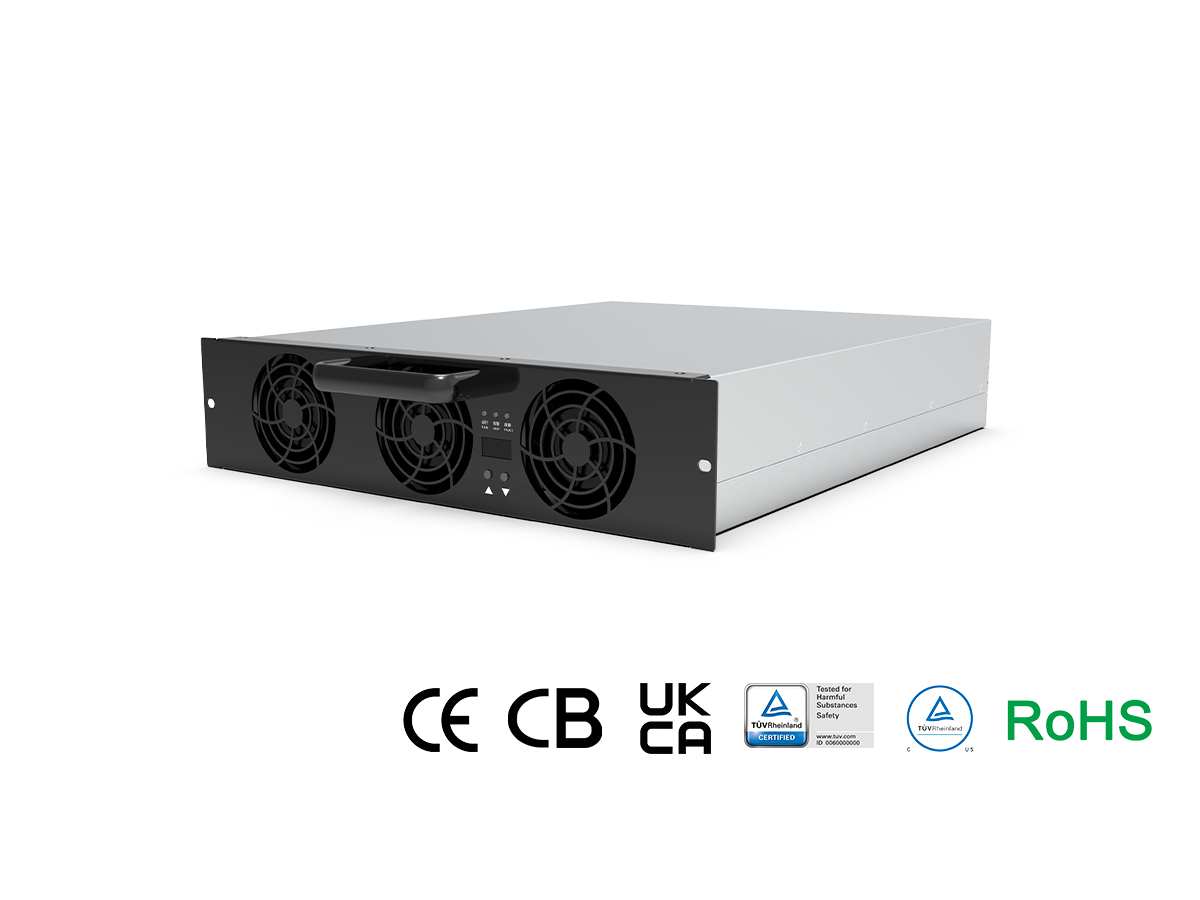
Shift the lens to principles, not parts. A closed loop with a compact coolant manifold keeps heat paths short and predictable. The goal is steady junction temperature, not frantic airflow. In a liquid-cooled charging module, the pump sets a known curve, plates spread heat evenly, and the radiator size matches ambient swings. That steadiness protects control silicon and rectifier bridges during high duty cycles. It also tames the whole cabinet: fewer hotspots, fewer alarms, and less noise across the site. And yes, service tasks move from “replace three fans” to “inspect two hoses and a quick-connect”—a calmer checklist.
Consider comparative impact. In mixed climates, liquid loops cut derates on hot afternoons and reduce dust risks in windy lots. Edge computing nodes that ride inside modern stations—billing, routing, diagnostics—benefit from low acoustic noise and a cleaner bay. You still watch the data, of course: delta‑T across plates, pump health, and coolant quality become your daily signals. From the last sections we learned that airflow carries hidden costs; now we see how stable heat removal unlocks consistent output, even as loads surge. For teams choosing a path, weigh three metrics: first, sustained kW at 40–50°C ambient without derate; second, lifecycle service hours per cabinet; third, thermal variance on the DC bus under peak PWM events. These tell the true story—across seasons, across sites. For steady craft and clear choices, see winline technology.
