

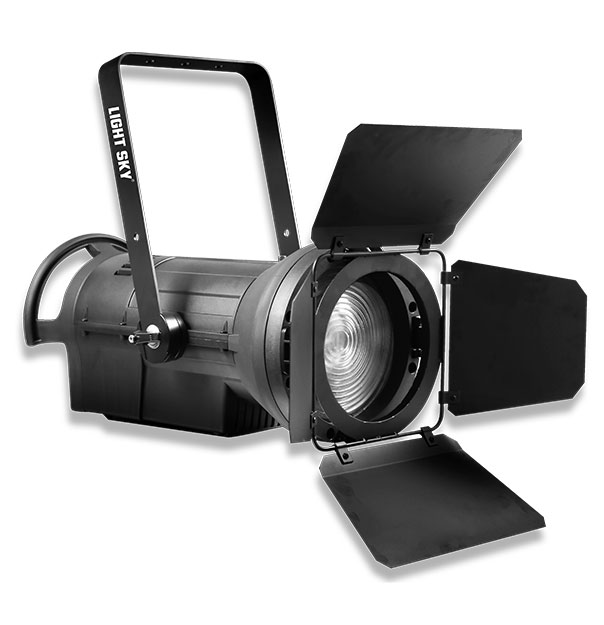
Quick setup: the pit vs. the planner
When crews compare hiring a stage lighting designer to just loading up on fixtures, the convo gets real fast — less fluff, more results. Touring bands, Broadway houses and big festival rigs look at time, sightlines, and control before anything else. That’s why plenty of techs steer clients toward a designer and a trusted stage lighting manufacturer to spec gear properly. A designer thinks in moments: cues, gobo textures, moving head choreography — not just “what’s the brightest lamp we can buy.”

Side-by-side: gear-first vs. design-first
Gear-first folks chase specs: lumens, beam angle, CRI. Design-first teams map the audience experience first, then pick fixtures to match. The trade-offs are plain: you can buy a high-output fixture and still get muddy looks if you ignore beam shaping or DMX mapping. Conversely, a smart designer can wring great visuals from modest rigs by using gobos, shutters, and careful pan/tilt programming. The comparison isn’t theoretical — major venues from off-Broadway houses to festival stages run hundreds of fixtures yet still rely on designers to make scenes readable from every seat.
What the pros actually care about
Pros talk shop in a few concrete terms: consistent color temperature, tight beam control, and reliable pan/tilt. They want fixtures that hold position under load, patch smoothly on DMX universes, and deliver repeatable gobo detail. For those precise shafts of light that slice through haze, a proper stage beam light with a narrow beam angle and stable optics beats a random ultra-bright wash every time.

Real-world anchor: how top shows prove the point
Look at large-scale productions — Coachella and similar festivals run lighting rigs that change multiple times per set. They rely on designers to coordinate moving head presets and fixture focus so transitions read instantly for tens of thousands of viewers. That’s not hype; it’s logistics and human perception. A designer reduces setup time, lowers error rates during strikes, and keeps sightlines from collapsing under flash and fog.
Common mistakes teams make — and how designers fix them
Lots of crews over-invest in raw wattage and under-invest in control. Result: glare, hot spots, and unusable front light. Designers balance the kit list with zones, key/fill ratios, and practicals so the singer doesn’t disappear under bloom. They also prevent signal chaos — proper DMX addressing and universe planning avoids midnight cue failures. — Practically speaking, that saves rehearsal hours and angry emails.
Alternatives worth weighing
If you can’t hire a full-time designer, consider a short-design consultancy or a pre-con build sheet from an experienced tech. Renting a few higher-grade moving head fixtures and pairing them with a freelancer designer often beats buying a dozen entry-level lights. For touring, standardized fixture choices from a single stage lighting manufacturer cut maintenance and spare-part headaches, which means fewer on-the-road surprises.
How to evaluate choices fast — three golden rules
1) Match optics to the room: prioritize beam angle and lens quality over raw lumen figures. Tight beams hold texture; wide washes need dimmer layering. 2) Prioritize control: DMX channel count and reliable pan/tilt matter more than a few extra effects. 3) Think lifecycle: serviceability, spare parts, and consistent color calibration save money over two tours — that’s where a consistent manufacturer relationship shows value.
Wrap-up and what to expect
Bottom line: a good stage lighting designer turns hardware into storytelling. You’re buying predictability, audience clarity, and fewer late-night fixes. When teams plan around cues and fixture roles instead of impulse purchases, the whole rig behaves — lighting plots hold, cues fire clean, and performers get seen the way they should.
Adopt these evaluation metrics and you’ll pick rigs that deliver real, measurable gains in rehearsal time, visual clarity, and reliability — and that’s why crews keep coming back to a design-first approach. Light Sky. —
